Caleb Turner

Thoroughly clean your rattan items using a mixture of warm water and mild soap. A soft cloth or sponge works best for this task, ensuring that no harsh chemicals are used that could damage the natural fibers. Be careful not to soak the pieces; instead, focus on gently wiping down surfaces and removing any dirt or grime.
Once cleaned, I suggest letting the items air dry completely in a shaded area. Direct sunlight can cause discoloration and brittleness, so maintain a cooler environment to retain the integrity of the material. After drying, inspect for any loose strands or damaged sections. Consider using a bit of wood glue to secure any loose areas carefully.
For additional conditioning, a mixture of equal parts vinegar and olive oil can be applied. This will nourish the fibers and restore some of their natural sheen. Apply with a soft cloth and buff gently, allowing time for the solution to penetrate the material. Regular care will keep these pieces looking fresh and extend their lifespan.
Restoring Rattan Items
Begin with a gentle cleaning. Mix warm water with a few drops of mild dish soap. Use a soft cloth or sponge to wipe down all surfaces, ensuring you reach into tight spaces. Rinse with a damp cloth to remove any soap residue, and allow the pieces to air dry completely.

Repairing Damaged Areas
Inspect for broken strands or weak spots. For minor breaks, use a strong adhesive suitable for natural materials. If strands are severely damaged, consider replacing them with new rattan or similar material. Cut the replacement to the appropriate length and weave it into the existing structure, following the original pattern.

Enhancing Appearance
To improve the look, apply a wood conditioner or a specialized rattan finish to refresh the natural sheen. If the color has faded, using a stain designed for natural fibers can restore its rich tones. Always test any product on a small, inconspicuous area first.
Assessing the Condition of Wicker Pieces
Examine each section meticulously for signs of damage, paying attention to cracks, breaks, or loose strands. Gently tug on each section; a loose piece may not hold up well under stress.
Surface Evaluation
Inspect the surface for discoloration, stains, or water damage. Take a damp cloth to see if any dirt easily wipes away. Persistent stains might require a mild soap solution for deeper cleaning.
Structural Integrity
Check the framework for any wobbling or instability. If pieces seem misaligned or uneven, identify which joints need tightening or reinforcement. Take special note of any rust on metal components, as it can significantly affect durability.
Gathering Necessary Cleaning Supplies
Before diving into the restoration process, it’s crucial to collect all necessary cleaning items. Here’s what I recommend:
Cleaning Essentials
- Soft Brush: A paintbrush or a dedicated cleaning brush to remove dust and debris from crevices.
- Vacuum Cleaner: A vacuum with a brush attachment helps in sucking out tough dirt from detailed areas.
- Microfiber Cloths: Ideal for wiping surfaces without causing damage.
- Bucket: Useful for mixing cleaning solutions and rinsing items.
Cleaning Solutions
- Dish Soap: Mild soap can effectively cut through grease and grime.
- White Vinegar: Acts as a natural disinfectant and odor remover.
- Water: Always essential for diluting cleaning agents.
- Baking Soda: Can be used as a gentle abrasive for tough stains.
Having these supplies on hand will ensure a smooth cleaning experience, setting the stage for bringing back the charm of your cherished pieces.
Cleaning Techniques for Wicker Surfaces
Utilize a soft-bristled brush to gently remove dust and dirt from the crevices of the woven material. This step prevents debris buildup and prepares the surface for deeper cleaning.
Gentle Cleaning Solution
Create a mixture of mild soap and warm water in a bowl. Use a soft cloth dipped in the solution to wipe down the entire piece. Rinse the cloth frequently to avoid spreading dirt. After cleaning, use a separate damp cloth to remove any soap residue.
Addressing Stains
- For stubborn stains, mix equal parts of baking soda and water to form a paste.
- Apply the paste directly onto the stain and let it sit for about 15 minutes.
- Scrub gently with a soft brush, then wipe clean with a damp cloth.
To refresh and add shine, consider using a mixture of equal parts vinegar and water as a final rinse. Spray lightly and wipe with a clean, dry cloth. This will not only cleanse but help prevent future stains.
If dealing with mildew, use a mixture of one cup of bleach in a gallon of water. Apply cautiously with a sponge and rinse thoroughly. Ensure good ventilation during this process and wear gloves.
Once cleaning is complete, place the item in a well-ventilated area to air dry completely, avoiding direct sunlight that can cause fading.
Repairing Damaged Wicker Weaving
Inspect any areas where the material may be loose or fraying. Carefully reweave any damaged sections using similar fibers, such as rattan or cane. This ensures consistency in appearance and durability.
For small tears, apply a strong adhesive to the edges of the damaged area and press them together firmly. Hold in place with tape until the glue dries completely, ensuring a seamless repair.
Reinforcing Weak Areas
If certain parts show signs of weakness, consider adding additional support by weaving a new strand through the affected area. Choose a matching color and thickness for a more cohesive look.
Replacing Broken Strands
When a strand breaks, remove the damaged piece entirely. Cut a new piece to the appropriate length and weave it into place. Secure it with glue to prevent future slipping and maintain stability.
Regularly check for any signs of wear to prevent larger issues. Keeping an eye on your pieces can save time and preserve their beauty over time.
Repainting or Staining Wicker Frames
I recommend choosing high-quality, outdoor-appropriate paint or stain to prolong the life of the pieces I’m working on. For repurposing, select shades that complement my decor while also considering the natural light in the space. If I opt for paint, a spray version ensures even coverage, minimizing brush marks and unwanted texture.
Before application, I prepare the surface meticulously. Using a soft brush or cloth, I remove dust and debris. For stubborn grime, a gentle wash with soapy water suffices. After cleaning, I let the frames dry completely to avoid trapping moisture beneath the new finish.
For those opting to stain, I know that wood conditioner helps in achieving a more uniform appearance. This step is crucial for porous surfaces like rattan and reed. Once applied, I allow it to soak in, followed by the stain application using a brush or a rag. I prefer to start with a lighter coat, checking the color depth before proceeding with additional layers.
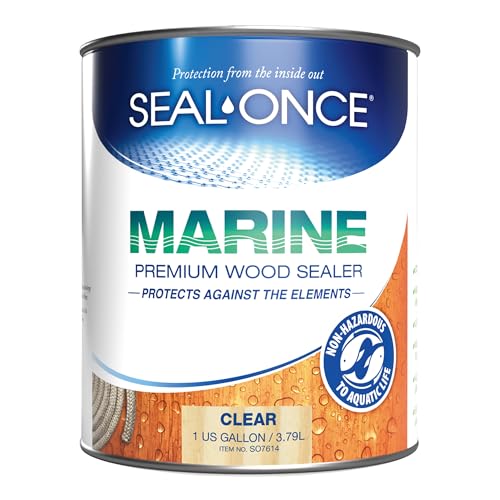
After painting or staining, allowing ample drying time is non-negotiable. I always check product instructions regarding drying and curing times to ensure the best finish. Finally, a clear sealant can provide additional protection, especially for outdoor pieces, making my efforts last longer against the elements.
Applying Protective Coatings for Longevity
Applying a suitable protective coating can significantly enhance durability. I recommend selecting a clear polyurethane sealant or a specialized spray that acts as a barrier against moisture and UV rays. Ensure the surface is clean and completely dry before application.
Use a foam brush for even distribution, applying thin layers. Allow sufficient drying time between coats, typically 1-2 hours, and aim for at least two or three layers for maximum protection. Don’t forget to work in a well-ventilated area to avoid inhaling fumes.
For painted surfaces, consider using a matching sealant that complements the color. If your piece is outdoors, specifically look for products labeled for exterior use to withstand weather conditions.
Regular maintenance is key; performing a quick annual inspection for signs of wear or damage, and reapplying the protective layer as needed will extend the life of your piece significantly.
Seasonal Care Tips for Wicker Pieces
To maintain the charm of these natural weaves throughout the seasons, I follow a structured approach. Regular inspection is imperative, especially before extreme weather changes. For those warmer months, I recommend moving items into the shade to prevent sun damage. During rainy seasons, ensuring proper drainage or covering pieces can significantly minimize moisture absorption.
Spring Preparation
At the start of spring, I clean thoroughly, removing all accumulated dirt and debris. A gentle wash with soapy water is fundamental. Additionally, I apply a UV protectant spray after the cleaning process, which guards against sun damage during the hotter months.
Fall and Winter Storage
When transitioning into colder months, I inspect each item for any signs of wear. For pieces that will be stored, a dust cover prevents dust accumulation. I also ensure that they are kept in a dry, ventilated area to avoid mold growth during moisture-prone times.
| Season | Action |
|---|---|
| Spring | Deep clean and apply UV protectant |
| Summer | Move to shade, cover during storms |
| Fall | Inspect for damage and prepare for storage |
| Winter | Keep stored in a dry, ventilated space |
Choosing the Right Location to Prevent Damage
I position outdoor seating away from strong winds and direct sunlight to minimize fading and wear. For indoor arrangements, I ensure ample ventilation to prevent moisture buildup, which can lead to mold growth. Selecting a stable environment with consistent temperatures protects against drying or warping. I utilize coasters and placemats to shield surfaces from scratches caused by items placed on them.
I also avoid high-traffic areas to reduce the risk of accidental damage. In a covered patio or sunroom, I place protective pads on the legs to prevent scuffs on floors. Seasonal rotation between indoor and outdoor spaces helps reduce sun exposure, extending the lifespan of the materials.
If possible, I store items during extreme weather conditions to prevent exposure to elements that can cause deterioration. Regularly checking their location throughout the year ensures they remain in the best possible environment. This proactive approach allows me to maintain their quality and appearance for years to come.
FAQ:
What are the first steps I should take to clean wicker furniture?
Begin by removing any loose dirt or dust with a soft brush or a vacuum cleaner with a brush attachment. It’s important to clean it gently to avoid damaging the wicker. After that, you can use a mixture of mild soap and water to wipe down the surface. A cloth or sponge will work well for this. Be sure to rinse and wipe away any soap residue with a damp cloth, then allow the furniture to dry completely in a well-ventilated area. This prevents moisture from accumulating and causing damage.
How can I repair damaged wicker furniture?
To repair damaged wicker, assess the extent of the damage first. If you have broken strands, you can often weave in a replacement piece of wicker if you have spare material. For small breaks or splits in the wicker, a strong adhesive specifically designed for wicker can be effective. Apply the glue to the damaged area and press the strands back into place, holding them until the glue sets. If the damage is extensive, it may be necessary to consult a professional for repairs or consider reweaving the furniture.
What is the best way to protect wicker furniture from outdoor elements?
To protect wicker furniture used outdoors, consider applying a weather-resistant sealant designed for outdoor furniture. Additionally, using outdoor furniture covers when the items are not in use will help shield them from rain and direct sunlight. Bringing the furniture indoors during harsh weather can also extend its lifespan. Regular inspections for signs of damage or wear can ensure that minor issues are addressed before they become significant problems.
Can I repaint or stain my wicker furniture, and what should I know about that process?
Yes, you can repaint or stain wicker furniture, but it’s important to do so carefully. First, make sure the furniture is clean and dry. If you’re painting, use a spray paint designed for wicker to ensure an even coat. If staining, apply a wood stain with a brush, allowing it to soak in before wiping off any excess. Always test on a small, inconspicuous area first to see how the finish looks. Allow ample drying time between coats if you’re applying multiple layers for the desired effect.