Caleb Turner

Apply a mixture of equal parts olive oil and vinegar to restore luster and moisture. This blend not only nourishes the fibers but also helps in blending dull patches, making them less visible. Gently rub the solution onto the surface with a soft cloth, following the grain.
For deeper penetration and hydration, consider using a high-quality beeswax. Melt a small amount and apply it with a clean, soft cloth. This approach seals in moisture while providing a protective layer against further fading.

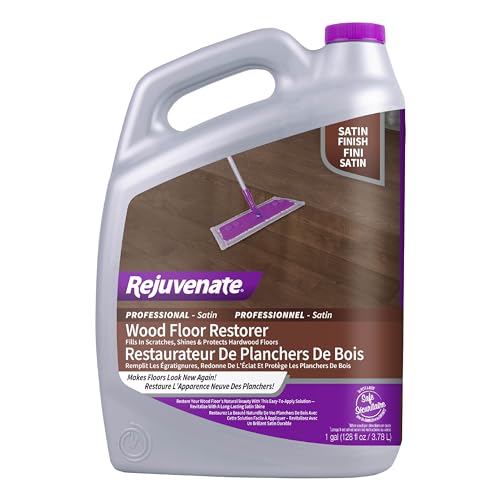

If you encounter more persistent discoloration, a specialized wood polish can work wonders. Select a product specifically designed for the finish of your items. Follow the manufacturer’s instructions for application to avoid any unintended harm.
Regular maintenance is a key component in preserving the integrity of your pieces. Position them away from direct light and consider using curtains or blinds to mitigate exposure whenever possible. This proactive step can prolong the lifespan and appearance of your beloved belongings.
Techniques for Reviving Light-Faded Wooden Items
I recommend using a mixture of olive oil and vinegar in equal parts to rejuvenate surface clarity. Apply the solution with a soft cloth, rubbing gently in the direction of the grain. The oil nourishes the fibers while the vinegar helps remove grime.
A gentle sanding can also help. Use fine-grit sandpaper to lightly buff areas showing discoloration. This process encourages a uniform finish by eliminating layers that absorbed sunlight and lost their original luster.
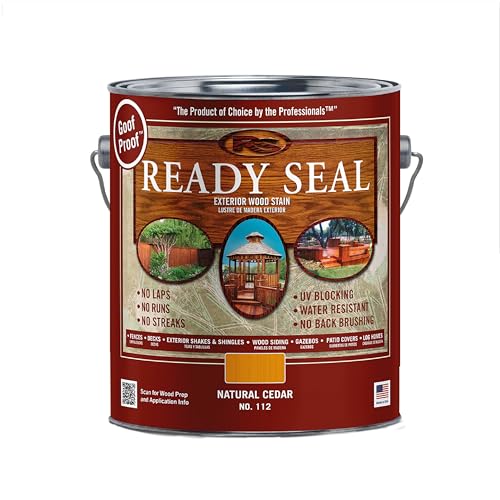
For significant restoration, consider a stain that matches the natural tone of the piece. Test the color on a small, inconspicuous area first to ensure compatibility. Apply with a clean brush or cloth, allowing for absorption before wiping away excess. Repeat until achieving the desired hue.
Sealants play a crucial role in preserving the integrity of the surface after treatment. Use a polyurethane or beeswax finish for protection against future wear. These products create a barrier that shields against moisture and UV exposure, extending the life of the item.
Don’t overlook routine maintenance; regular dusting and occasional application of a protective oil can prevent future deterioration.
Identify the Type of Wood and Finish
First, determine the species of the timber. Common options include oak, walnut, maple, and mahogany. Each type has distinct characteristics such as grain patterns, color variations, and hardness. To identify the wood, observe the grain closely or use a moisture meter to analyze density.
Next, recognize the finish applied to the surface. It could be oil-based, water-based, lacquer, or polyurethane. Examining the sheen can provide clues: a glossy appearance often indicates a lacquer or polyurethane coat, while a matte finish may suggest an oil or water-based option.
Utilize the following table as a reference for wood types and typical finishes:
| Wood Type | Common Characteristics | Typical Finish |
|---|---|---|
| Oak | Strong, prominent grain | Polyurethane, varnish |
| Walnut | Rich, dark hues | Oil, lacquer |
| Maple | Light color, fine grain | Water-based, varnish |
| Mahogany | Deep reddish-brown | Oil, polyurethane |
Test a small, inconspicuous area with a solvent to determine the finish type. This enables you to decide on the appropriate restoration technique while preventing potential damage to the overall surface.
Assess the Extent of Sun Damage
I begin by closely examining the furniture’s surface for discoloration, fading, or blistering. I take note of areas that have lost their luster and those that exhibit a change in texture. By using natural light, I identify any lightened patches or stark differences in shades between exposed and non-exposed sections.
Next, I gently touch the affected areas to check for roughness or peeling. I ensure to assess under different angles and light conditions to get a comprehensive understanding of the deterioration. Noting the location of damage is crucial to determining how extensive the issue is.
Damage Classification
I categorize the extent of the harm into three levels:
| Damage Level | Description | Suggested Action |
|---|---|---|
| Minor | Surface discoloration, slight fading. | Cleansing and protective treatment. |
| Moderate | Visible light patches, slight roughness. | Light sanding and reapplication of finish. |
| Severe | Blisters, deep cracks, significant texture change. | Stripping and refinishing required. |
Finally, I document my findings for future reference, ensuring that I have a clear plan for addressing the issues based on my assessment. This organized approach allows me to target repair methods effectively.
Gather Necessary Tools and Materials
Collect the following items: fine-grit sandpaper, a tack cloth, wood finish or stain, high-quality paintbrushes, and a clean, soft cloth. If you have any protective gear, such as gloves and a mask, include those as well.
Ensure you have a rotary tool or a sanding block for efficient smoothing of the surface. If your project involves extensive repair, wood filler may be required. A putty knife will be handy for applying the filler, while a vacuum will help in cleaning the workspace after sanding.
For optimal results, gather a spray bottle with water for misting and a few rags to wipe off excess moisture. Additionally, consider having a sealant ready if a protective layer is necessary after the refinishing process.
Organizing these tools in advance will streamline the process, allowing for a more focused effort on bringing your item back to life without distractions.
Clean the Furniture Surface Thoroughly
Begin with a gentle, soapy water solution–mix mild dish soap with warm water. Use a soft cloth or sponge to apply the mixture, wiping down every surface. Ensure that excess moisture does not accumulate.
Follow these steps for a detailed cleanse:
- Remove dust and debris using a microfiber cloth to prevent scratching.
- Pay attention to crevices and joints, as grime can accumulate in these areas. A soft-bristled brush can help reach those spots.
- After the initial wipe-down, rinse the cloth with clean water and wipe the surface again to remove any soap residue.
- Dab dry with a soft, absorbent towel to absorb leftover moisture.
If deeper stains or residues exist, consider using a wood-safe cleaner specifically designed for the finish of your piece. Apply the cleaner according to the manufacturer’s directions, ensuring the product is compatible with your item’s material.
Always test any cleaning solution in an inconspicuous area first to ensure it doesn’t adversely affect the finish. This step is crucial, as different finishes react uniquely to various products.
Apply Wood Conditioner to Revitalize Color
I recommend using a quality wood conditioner to bring back the original hue of your surface. This product penetrates deeply, enhancing the grain and providing a more uniform appearance.
Steps for Application
- Choose a conditioner that matches the type of finish on your piece.
- Ensure the surface is thoroughly clean and dry before applying.
- Use a clean cloth or brush to apply the conditioner evenly, following the grain of the material.
- Allow the conditioner to absorb for the time indicated on the packaging, typically around 15 to 30 minutes.
- Wipe off any excess with a soft cloth to avoid a sticky residue.
Tips for Best Results
- Test the conditioner in a small, inconspicuous area first to see how it reacts.
- Consider applying multiple coats for deeper revitalization.
- After conditioning, wait a few hours before applying any additional finish, like sealants or oils.
- Regularly condition your surfaces to maintain their appearance and protect against future fading.
Refinish with Stain or Paint as Needed
Choose a stain or paint that complements the existing grain and color of the surface. I recommend using a gel stain for better control over the application and to prevent streaks. Test the stain or paint in an inconspicuous area first to ensure the desired outcome.
Applying Stain
Use a clean cloth or brush to apply the stain evenly, working in small sections. Allow it to penetrate for a few minutes, then wipe off the excess. For a deeper color, apply additional coats after the first one has dried completely. Make sure to follow the manufacturer’s instructions regarding drying times.
Using Paint
If choosing paint, consider a high-quality option that suits both appearance and durability. Prepare the surface by lightly sanding and cleaning it once again. Apply a primer if necessary, especially for lighter colors. Use a brush or roller for smooth application, and allow each coat to dry fully before adding subsequent layers. Finish with a protective topcoat for added longevity.
Protect the Restored Furniture from Future Damage
To prevent future deterioration, consider placing your reconditioned pieces away from direct sunlight, as prolonged exposure can cause fading and weakening. Use window treatments such as curtains or blinds to filter light and shield your items when not in use.
Applying a high-quality polyurethane finish can create a protective barrier against moisture and UV rays. Reapply this sealant every few years, especially if the furniture is in a sunny environment.
Maintain a proper humidity level in the room to avoid fluctuations that can lead to warping. Using a humidifier during dry seasons can help stabilize conditions.
Regular dusting with a soft, dry cloth will keep particles from settling into the surface, which can cause abrasions over time. Avoid using harsh chemicals; opt for gentle cleaners designed for delicate finishes.
Finally, consider using coasters, placemats, or pads to prevent scratches and marks from hot or wet items. This small habit significantly extends the life of your revitalized pieces.
Regular Maintenance Tips for Sun-Damaged Furniture
Regularly check for signs of wear and discoloration. A proactive approach helps in identifying problems early. Use a soft cloth to dust surfaces weekly, preventing the buildup of debris that can scratch and dull the finish.
Use Protective Coatings
Consider applying a protective sealant that guards against harmful UV rays. Look for products specifically designed for your furniture type, ensuring they enhance durability without compromising aesthetics.
Rotate Items and Furniture Placement
Change the arrangement of items on surfaces periodically. Rotating decorative pieces not only creates a fresh look but also minimizes uneven exposure to light. Try to avoid placing items directly in sunlight to reduce the risk of further fading.
Store items away from direct exposure when not in use. If certain pieces are not regularly displayed, consider keeping them covered with fabric or in a shaded area to help maintain their original tone.
FAQ:
What are the common signs of sun damage on wood furniture?
Common signs of sun damage include fading or discoloration of the wood surface, which may appear lighter or uneven in color. Additionally, you might notice cracks or splits in the wood, as prolonged exposure to sunlight can dry it out. A rough or chalky texture may also develop, indicating that the protective finish has worn away.
Can I prevent further sun damage to my wood furniture?
Yes, you can take several steps to prevent further sun damage. Position your furniture away from direct sunlight whenever possible. You can also use curtains, blinds, or UV-filtering films on windows to limit exposure. Applying a protective varnish or sealant periodically can also help shield the wood from harmful UV rays. Additionally, consider using furniture covers when the pieces are not in use, particularly if they are near windows.
How do I restore the finish on sun-damaged wood without sanding it down?
To restore the finish without sanding, start by cleaning the surface with a mild soap and water solution. Ensure the furniture is thoroughly dried. You can then apply a wood restorer or conditioner that contains oils designed to penetrate the wood. These products can rejuvenate the finish and enhance the color without the need for extensive sanding. Follow the instructions on the product for the best results, and allow adequate drying time.
Is it safe to use homemade solutions for restoring sun-damaged wood furniture?
Yes, homemade solutions can be safe and effective, provided you use the right ingredients. A common mixture involves equal parts of olive oil and vinegar, which can help clean and restore shine to the wood. However, test any homemade solution on a small, inconspicuous area before applying it to the entire piece. This ensures that it does not react adversely with the wood finish or cause further damage.
What are the first steps to take when I notice sun damage on my wooden furniture?
Begin by assessing the extent of the sun damage. Look for signs like fading, discoloration, or dryness on the surface of the wood. Once you’ve evaluated the condition, clean the furniture gently using a soft cloth and a mild cleaning solution to remove any dust or debris. This prepares the surface for any restoration efforts. After cleaning, let the furniture dry completely before proceeding with further restoration methods.