
 Caleb Turner
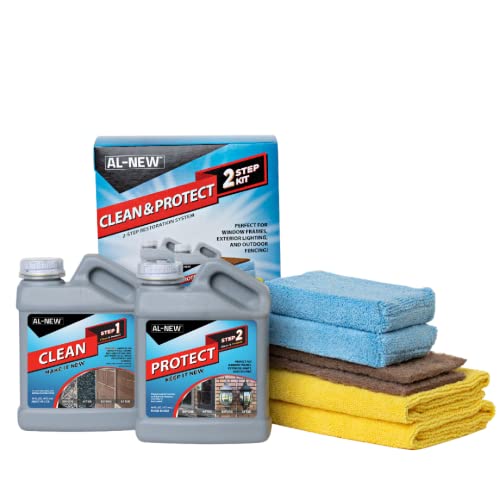
To bring life back to your weathered aluminum or steel items, I recommend beginning with a thorough cleaning. Use a gentle soap solution mixed with warm water and a soft cloth or sponge to carefully remove dirt and debris. For tougher grime, a non-abrasive cleaner is effective. Rinse thoroughly to prevent residue from drying on the surface.
Next, focus on the minor scratches and oxidation. A paste made from baking soda and water can work wonders. Apply the paste directly onto the affected areas, allow it to sit for about 10 minutes, and then gently scrub with a soft cloth. This not only lifts blemishes but also adds a layer of protection against future wear.
For the final touch, I recommend applying a high-quality metal polish. This step enhances the luster of your items, making them look refreshed. Use a microfiber cloth to apply the polish evenly and buff it to a glossy finish, noting that this will also help shield the surface from environmental elements.
Polishing Techniques for Outdoor Items
To enhance the brilliance of your outdoor pieces, I recommend using a mixture of baking soda and water. Create a paste by combining three parts baking soda with one part water. Apply it with a soft cloth, gently scrubbing the surface in circular motions. This method is particularly effective for removing tarnish and oxidation.

Natural Solutions for Brightening
For a simple natural remedy, consider white vinegar. It not only cleanses but also brings back luster. Soak a cloth in vinegar, then wipe down the surfaces. For tougher stains, let the vinegar sit for a few minutes before wiping. This technique is useful for maintaining the appearance without harsh chemicals.


Finishing Touches for Lasting Protection
After cleaning, apply a thin layer of car wax for a protective seal. This step shields against future damage and enhances the reflective quality. Buff with a soft cloth to achieve a smooth finish. Additionally, regularly check for any signs of rust or wear to address issues promptly, ensuring the longevity of these beloved pieces.
Assessing the Condition of Your Metal Seating
Begin by examining for rust or corrosion. Focus on areas where moisture may accumulate. Use a soft cloth to wipe the surface and identify any flaky or pitted sections that warrant further attention.
Check for Structural Integrity
- Inspect joints and welds for weakness.
- Test stability by gently shaking the chairs and tables.
- Look for bent or warped components.
Evaluate the Finish
- Look for scratches, chips, or faded paint.
- Assess if the original coating is peeling or bubbling.
- Determine if touch-ups are needed for aesthetics and protection.
Assessment is crucial before implementing any cleaning or restoration process. A thorough evaluation allows for targeted care, ensuring longevity and maintaining allure.
Choosing the Right Cleaning Supplies
Choosing appropriate cleaning products is crucial for maintaining the appearance of your outdoor pieces. I recommend opting for non-abrasive cleaners specifically formulated for the type of material you are dealing with. For aluminum or stainless steel, a mild dish soap mixed with water works wonders.
Avoid acidic or harsh chemical cleaners, as they can degrade the finish over time. Look for biodegradable options; they are less harmful to the environment and to the surfaces you are treating.
Tools for the Job
When it comes to tools, a soft cloth or sponge will prevent scratching. For tougher grime, a soft-bristle brush can be effective. Make sure to have a bucket and a garden hose handy for rinsing off after cleaning.
Preventive Measures
Incorporating protective sprays can help maintain the look of these pieces. Wax or sealant designed for outdoor materials adds an extra layer of defense against the elements.
Preparing the Work Area for Restoration
Clear the space where I plan to work. Remove any surrounding items that could get damaged or obstruct the process. A flat, stable surface is preferred, as it helps facilitate movement and ensures safety.
Lay down a drop cloth or an old tarp to catch debris and drips. This will protect the ground and make cleaning easier later. It’s beneficial to use one that is resistant to stains and tears.
Secure Necessary Tools
Gather all tools and materials needed before starting. This includes cleaning solutions, brushes, sandpaper, and protective gear. Wearing gloves, goggles, and a mask will shield against chemical fumes and dust irritants. Having everything within arm’s reach minimizes distractions.
Check Environmental Conditions
Assess the weather if working outside. Avoid high humidity or rain, as these can affect the cleaning process. Optimal temperatures usually range between 60°F and 80°F (15°C – 27°C). Ensure I have sufficient natural light or set up additional lighting if needed.
Removing Rust and Corrosion
To eliminate rust and corrosion from my outdoor seating and tables, I first assess the extent of the damage. For minor rust spots, I often use a fine-grit sandpaper or a wire brush, gently scrubbing the affected areas until I see bare metal. For tougher corrosion, I utilize a rust-removing gel or a chemical product specifically designed for this purpose, applying it as per the manufacturer’s instructions.
Tools and Materials
I keep a few essential items on hand: gloves, goggles, and a mask to protect myself from dust and chemicals during the process. A rust-inhibiting primer can also provide a base layer before any painting, ensuring lasting protection.
Technique
After removing rust, I wipe down the surface with a damp cloth to eliminate any dust or debris. Allowing the furniture to dry completely helps in applying any further treatments or protective coatings. For areas with deeper pitting, applying a filler can level the surface before proceeding with painting.
Regular inspections and addressing small rust spots promptly are vital for preventing extensive damage and maintaining the longevity of my outdoor pieces.
Cleansing the Surface of Dirt and Debris
Begin with a gentle rinse using a garden hose to dislodge loose particles. For stubborn dirt, a soft-bristled brush paired with warm soapy water works effectively. Focus on joints and crevices where grime tends to accumulate.
Choose a non-abrasive sponge to avoid scratches while scrubbing. Ensure you use mild detergent, as harsher chemicals can damage finishes.
After scrubbing, thoroughly rinse the surface with clean water to remove any soap residue, which can attract dirt if left behind. For spots resistant to basic cleaning, a mixture of baking soda and water can act as a gentle abrasive.
Once clean, dry the area with a soft cloth to prevent water spots, particularly on shiny surfaces. This step is crucial before applying any protective coatings or polishing agents.
Regular maintenance, including periodic cleans with this method, helps prolong the materials’ integrity and appearance.
Applying Metal Polish for Shine
First, ensure the surface is completely dry after cleaning. I choose a high-quality polish specifically formulated for the type of material I’m working with. I apply a small amount of polish to a soft, lint-free cloth or applicator. It’s crucial to follow the manufacturer’s instructions regarding application techniques.
With a circular motion, I gently rub the polish onto the surface, allowing it to penetrate any micro-scratches and imperfections. I maintain even pressure to avoid uneven application. After covering the area, I let the polish sit for the recommended duration, usually a few minutes.
Subsequently, I take a clean cloth and buff the surface, bringing out a bright finish. I use a different section of the cloth or a new one to prevent re-depositing any residue. It’s vital to regularly check my progress and ensure no polish is left in crevices, as it can attract dirt.
If necessary, I repeat the process on particularly dulled sections until the desired effect is achieved. Always store the polish in a cool, dry place for longevity.
Using Protective Coatings to Maintain Finish
Applying a protective layer is key for longevity. I choose coatings designed for aluminum or steel, depending on the material of my items. A well-applied coating creates a barrier against environmental harm.
Before application, I ensure the surface is completely clean and dry. I opt for a spray-on sealant or a clear topcoat that is UV resistant. This prevents fading and discoloration from sunlight.
Each product has specific instructions. I follow these carefully for the best results, often applying several thin layers instead of a single thick one. This ensures better coverage and adherence.
| Coating Type | Suitable Material | Application Method |
|---|---|---|
| Clear Sealant | Aluminum | Spray or brush |
| Rust Inhibitor | Steel | Brush-on |
| UV Resistant Coat | Both | Spray |
Regular inspections are important. I check for areas that may require reapplication or touch-ups. Keeping track of these maintenance schedules keeps my items looking good for years to come.
Regular Maintenance Tips for Longevity
Perform a thorough inspection every season, checking for any signs of wear or damage. Target areas prone to moisture accumulation, as they often attract deterioration.
Utilize a soft brush or cloth to remove dust and debris after rain or storms. This simple step prevents buildup that can lead to staining and degradation.
After cleaning, apply a thin layer of wax or specialized coating to create a barrier against the elements. This minimizes the impact of UV rays and moisture, extending the lifespan considerably.
Store seat structures indoors or under protective covers when not in use. This is especially beneficial during harsh weather conditions.
Inspect screws, bolts, and joints regularly to ensure they remain tight. Loose connections can lead to instability and expedite wear.
Avoid using abrasive cleaners or tools that could scratch surfaces. Instead, opt for gentle solutions that are safe for the specific finish of your piece.
Reapply protective agents annually to maintain integrity. Adhering to this schedule sustains the aesthetics and function of your design.
Storing Metal Furniture During Off-Season
I recommend selecting a dry, cool location to keep your items safe during the off-season. Ensure the place is well-ventilated to prevent moisture buildup, which can lead to deterioration.
- Start by cleaning each piece thoroughly to remove dirt and grime.
- Inspect for any signs of rust or wear before storage; address these issues to avoid further damage.
- Disassemble larger pieces if possible to save space and minimize the risk of scratches.
- Utilize protective covers to shield the items from dust and inadvertent scratches.
Avoid storing items directly on the ground. Instead, elevate them on pallets or a similar structure to prevent contact with moisture from the floor. This will protect the assets from rust and corrosion better.
- Consider adding desiccants or moisture-absorbing packs within the covers to manage humidity levels.
- Maintain a consistent temperature in the storage area to further protect against warping and degradation.
- Regularly check the items throughout the off-period to ensure they remain in optimal condition.
By following these guidelines, I can prolong the lifespan of my furnishings and ensure they’re ready for use when the season returns.


