Caleb Turner

First, identify any damage on the weave. If you notice broken strands, take a close look at the material to determine whether it can be repaired or if replacement is necessary. For small breaks, I recommend using a fine gauge wire or a strong adhesive specifically suited for plastics to mend the area.
Next, deep clean the surface with a mixture of warm water and mild soap. Using a soft-bristle brush, gently scrub the entire piece to remove dirt and grime that may have accumulated. Rinse thoroughly and allow it to dry completely before proceeding with any additional treatment.
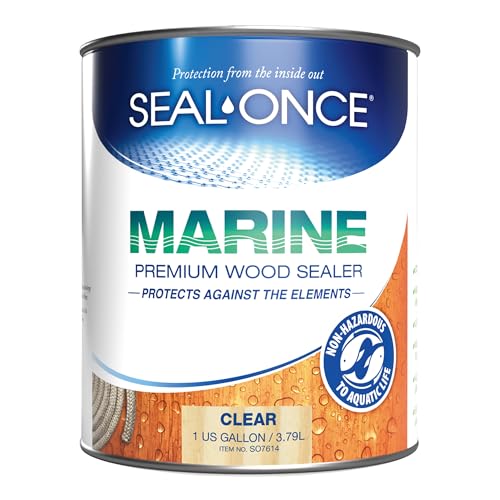


After cleaning, protect your outdoor weave with a specialized sealant designed for synthetic materials. Apply it evenly, ensuring coverage in all crevices to shield against UV rays and moisture. This step can significantly prolong the lifespan of your seating.
Lastly, consider reconditioning any metal components using rust-resistant spray paint if necessary. This not only enhances the appearance but also adds an extra layer of protection against corrosion. Following these practical steps will help maintain the beauty and functionality of your outdoor weave seating for seasons to come.
Tips for Reviving Natural Fiber Seating
Cleaning is the first step. Mix mild soap with warm water, then use a soft brush to scrub the surfaces. Rinse thoroughly and let them dry completely in the shade to prevent warping.
Inspect for damage regularly. If you notice any loose strands or fraying, use a needle and heavy-duty thread to secure the area, ensuring it doesn’t worsen. For larger gaps, you may need to replace individual strands with new ones. Purchase similar materials from a craft store to maintain consistency.
Enhance the appearance with a protective finish. Look for a clear sealant designed for outdoor use. Apply it evenly with a brush, following manufacturer instructions for drying times. This will safeguard against moisture and UV rays, prolonging the lifespan of the piece.
Consider cushion care as well. Replace worn or faded cushions for a fresh look. Opt for weather-resistant fabrics that are easy to clean and maintain. Zippered covers can simplify the process, allowing for machine washing.
For added flair, introduce decorative items like throw pillows and blankets. These can transform the overall aesthetic while providing comfort.
To maintain their beauty year-round, store these pieces indoors during harsh weather conditions. If storage isn’t feasible, cover them with breathable fabric covers to prevent mold and mildew build-up.
Assessing the Condition of Your Rattan Furniture
Inspect for any signs of wear and tear, such as fraying, cracking, or discoloration. Pay close attention to joints and connections, as these areas often show the first signs of damage.
Test the stability of each piece by gently shaking it. If it wobbles or seems loose, reinforcement may be necessary. Look for broken strands or areas where the weaving has come apart; these need immediate attention.
Evaluate the finish. If the surface appears dull or has lost its luster, it may require a deep clean or reapplication of protective coatings. Take note of any rust on metal components and assess the severity before proceeding.
Check for mold or mildew. If present, a specialized cleaner may be needed, and thorough drying is essential to prevent future growth. Inspect cushions and fabric for stains or damage, considering whether replacement or cleaning will suffice.
Finally, take pictures of the overall condition for reference. This helps track improvements and informs decisions on what repairs or treatments are necessary.
Choosing the Right Cleaning Supplies for Rattan
Opt for pH-neutral cleaners specifically designed for woven materials. Avoid harsh chemicals that might degrade the fibers over time.
Here’s a concise table comparing suitable cleaning supplies:
| Cleaning Product | Type | Notes |
|---|---|---|
| Dish Soap | Liquid | Mix with water; safe for regular cleaning. |
| White Vinegar | Natural Cleaner | Mix with water for mold and mildew removal. |
| Baking Soda | Powder | Use as a gentle scrub for tough stains. |
| Microfiber Cloth | Tool | Ideal for dusting; leaves no fibers behind. |
| Soft-Bristled Brush | Tool | Works well for debris in crevices. |
For maintenance, keep a solution of mild detergent and water for quick cleanups. Regularly inspect the pieces for damage or wear and adjust the cleaning frequency accordingly.
Storing supplies in a designated area promotes ease of access, ensuring I can maintain the look of my outdoor settings without hassle. Prioritize safety by using gloves if necessary and ensuring good ventilation while cleaning.
Step-by-Step Cleaning Process
Begin by removing any loose dust and debris from the surface using a soft brush or a vacuum cleaner with a brush attachment. This initial step prevents dirt from becoming embedded during deeper cleaning.
Creating a Cleaning Solution
Mix warm water with a mild dish soap in a bucket. Avoid harsh chemicals, as they can damage the woven material. Aim for a soapy consistency that allows for effective cleaning without leaving a residue.
Washing and Rinsing
Dip a soft cloth into the soapy water and wring it out thoroughly. Gently wipe the surfaces, ensuring that you get into the crevices. After cleaning, rinse the cloth with clean water and wipe again to remove any soap. Follow up by drying the item with a clean, dry cloth to prevent moisture build-up, which can lead to mold.
Repairing Damaged Weaving Techniques
For effective repairs of damaged weaving, consider using a sturdy synthetic replacement material that closely resembles the original. This helps maintain the aesthetic appeal of the item.
Begin by gathering the following tools and materials:
- Replacement weaving strips (preferably UV-resistant)
- Scissors or wire cutters
- Hot glue gun or strong adhesive
- Protective gloves
- Pliers (for tight spots)
Identify the areas requiring repair. If strands are frayed or broken, they need to be carefully removed. Cut the damaged piece at the nearest point of connection.
To weave a new strand, start by securing one end of the replacement material to the frame using a hot glue or the adhesive. This ensures it stays in place while you weave.
Follow these steps for the weaving process:
- Thin strands should be threaded in and out of the existing structure, mimicking the original pattern.
- Keep tension even to ensure uniformity and strength.
- Once the new section is complete, secure the end with glue.
For added durability, consider employing a sealing agent over the newly woven areas. This protects against moisture and reinforces the integrity of the repair.
Check regularly for any signs of wear post-repair, and make adjustments as needed to prolong the life of your cherished seating pieces.
Refinishing and Repainting Woven Surfaces
Choose high-quality outdoor paint specifically formulated for wicker or similar materials. This ensures durability and resistance to weather elements.
Prepare the surface by lightly sanding any rough patches. This helps the new paint adhere better. Use fine-grit sandpaper to avoid damaging the underlying material.
Clean the surface thoroughly to remove dust and debris after sanding. A mild soap solution followed by a rinse is effective for this purpose. Allow it to dry completely before proceeding.
Apply a primer suited for outdoor use, especially if the original surface was a dark color. This step enhances the final shade and ensures a smooth finish.
When painting, employ a spray can for an even application. Maintain a distance of 6-12 inches from the surface for optimal coverage. If using a brush, opt for synthetic bristles to avoid shedding.
Apply multiple thin coats, allowing adequate drying time between applications. This technique minimizes drips and ensures a uniform finish.
After the final coat dries, consider applying a clear sealant to prolong the life of the new finish. Select a sealant designed for outdoor usage to combat UV rays and moisture.
Regular maintenance involves periodic cleaning and checking for any signs of wear or damage, allowing for timely touch-ups and preserving the refreshed look.
Protecting Your Woven Outdoor Seating from Future Damage
Applying a protective sealant specifically designed for natural materials can significantly enhance durability. Look for UV-resistant options to minimize sun damage and discoloration.
Regular Cleaning Practices
Dusting woven surfaces with a soft brush or cloth helps prevent dirt buildup, which can lead to discoloration and wear. A gentle vacuum with an upholstery attachment can also be useful in removing debris from crevices.
Seasonal Care Tips
During inclement weather, consider covering your arrangements with breathable furniture covers to protect against moisture-related issues. For prolonged storage, storing in a dry, shaded area will prevent fading and maintain structural integrity.
Maintaining and Caring for Your Restored Natural Weave Pieces
Regular cleaning is key to extending the life of your beautifully refreshed items. I recommend using a soft brush or vacuum attachment to remove dust and debris weekly. For deeper cleans, a mild soap mixed with warm water works wonders. Ensure you wring out excess moisture from the cloth before wiping surfaces to avoid soaking the material.
Protective Measures
Applying a protective coating can shield against stains and humidity. A UV-resistant spray seals the surface, preventing fading and deterioration from sunlight exposure.
Seasonal Care Tips
| Season | Care Tips |
|---|---|
| Spring | Inspect for any signs of damage and ensure all weaving is intact. Clean thoroughly before use. |
| Summer | Limit direct sunlight and use outdoor covers. Regularly dust to prevent grime build-up. |
| Fall | Prepare for colder months by storing pieces in a dry area. Clean and check for any fading. |
| Winter | Keep items covered or indoors to prevent harsh weather damage. Wipe down after storage with a damp cloth. |
Monitoring humidity levels in storage spaces can prevent warping and maintain structural integrity. Using silica gel packets around items can help manage moisture effectively. Be attentive, and your beloved pieces will retain their charm and functionality for years to come.
FAQ:
What materials do I need to restore rattan patio furniture?
To restore rattan patio furniture, you will need several materials such as a soft brush, mild soap, water, a clean cloth, wood glue (if any parts are loose), and outdoor sealant or varnish for added protection. Additionally, you might consider using rattan repair tape or new rattan material if you need to replace broken sections. Ensure you have a suitable workspace and, if you plan to paint or stain the furniture, appropriate paint or stain as well.
Can I clean my rattan patio furniture with a pressure washer?
It is not advisable to clean rattan patio furniture with a pressure washer. The high pressure can damage the rattan strands and loosen any brittle glue holding the furniture together. Instead, a soft brush and a mixture of mild soap and water are better options. This method is gentler and prevents any potential harm while effectively removing dirt and grime.
How can I repair broken rattan without replacing the entire piece?
If you have broken rattan strands, you can use rattan repair tape to cover the damaged areas. This tape can be found at craft stores or online and is designed to blend in with existing rattan. For more extensive damage, you might need to use wood glue to reattach loose pieces and allow it to dry completely before using the furniture again. If needed, you can also weave new rattan material into the damaged areas to restore the original look.
What steps should I follow for proper maintenance after restoration?
After restoring your rattan patio furniture, regular maintenance is important to keep it in good condition. First, clean the furniture regularly with mild soap and water, using a soft brush. Second, check for any loose parts or broken strands periodically, and address these issues promptly to prevent further damage. It’s also beneficial to store the furniture indoors or cover it during harsh weather conditions. Lastly, apply an outdoor sealant or varnish annually to protect the rattan from moisture and UV rays.
Is it necessary to use a specific type of paint or stain on rattan furniture?
Yes, when painting or staining rattan furniture, it’s important to use products that are designed for outdoor use. Look for water-based paints or stains that are marked as suitable for wicker or rattan. These products typically offer better adhesion and durability against weather elements. Additionally, ensure that the furniture is clean and dry before applying any paint or stain to achieve the best results.