Caleb Turner

Select high-quality, natural oils like tung or Danish oil to bring life back to your cherished antiques. These oils penetrate deeply, nourishing the fibers and enhancing the natural grain, resulting in a more vibrant appearance.
Begin by thoroughly cleaning the surface with a soft cloth and a mixture of mild soap and water. This removes any dust and grime buildup without damaging the finish. Allow the piece to dry completely before applying any treatment.
For a beautiful sheen, employ a fine steel wool pad to gently buff the surface after the oil is applied. This helps in achieving a smooth, polished look without the need for aggressive stripping techniques. Regular maintenance with oil can keep your pieces looking stunning for years.
If you encounter stubborn stains, a paste of baking soda and water can work wonders. Gently rub it onto the stained area, rinse with a damp cloth, and pat dry. This gentle approach preserves the integrity of the finish while effectively lifting stains.



Incorporating these methods allows you to maintain the character of your treasures while ensuring they remain functional and visually appealing. Embrace the charm of your vintage items with these straightforward solutions!
Reviving Antique Pieces with Gentle Techniques
Begin by cleaning the surface with a mixture of mild soap and warm water. Dampen a soft cloth and gently wipe down the item to remove dirt and grime, ensuring not to saturate the wood.
Next, apply a natural oil, such as linseed or tung oil, to nourish and enhance the grain. Use a clean cloth to rub in the oil, allowing it to soak in. This will bring back some luster while protecting the surface.
For deeper scratches, consider using a mixture of beeswax and mineral oil. This blend can fill in imperfections effectively. Apply it with a soft cloth, massaging it into the affected areas, and buff it out to achieve a smooth finish.
Enhancing Appearance with Homemade Solutions
A combination of vinegar and olive oil can work wonders for polishing. Mix equal parts and apply it with a soft cloth, buffing until you see a sheen. This solution not only cleans but also provides a protective layer.
Prevent further damage by placing coasters under beverages and avoiding direct sunlight. Regular dusting and maintenance will prolong the life of the piece and keep its charm intact.
Assessing the Condition of Your Wood Furniture
Begin by examining the surface for scratches, dents, or discoloration. I usually wipe the area with a clean, dry cloth to clear away dust and debris, making flaws more visible. I pay special attention to corners and edges, where damage is likely to accumulate.
Check for signs of moisture damage, such as warping or swelling. I run my hand along the edges to feel for unevenness. If I notice any spongy or soft spots, it indicates further investigation might be necessary.
Look for joints or legs that may be loose or wobbly. I often gently shake the piece to identify any instability. If necessary, I push on the joints to see if they give way or creak.
Assess the finish; a glossy surface may indicate a layer of polish or wax that could be compatible with maintenance methods, while a dull or sticky finish may require different care. I conduct a spot test on an inconspicuous area to determine how it reacts to cleaning solutions.
Pay attention to any odors, which can signal mold or mildew. If the scent is present, I consider moisture levels in the storage area and how to remedy it effectively.
Finally, I take note of the overall character and charm of the piece. I appreciate the beauty that comes with age, so I keep that in mind when planning the next steps for care and enhancement.
Choosing the Right Cleaning Products for Wood
I recommend selecting pH-neutral and biodegradable products to ensure the longevity of the surfaces. Look for options specifically formulated for natural materials to avoid damage.
- Soap and Water: A mixture of mild dish soap and water is ideal. Use a soft cloth dampened with this solution to gently wipe surfaces.
- Vinegar Solution: Combine equal parts of water and white vinegar. This natural cleaner can effectively cut through grime and leaves a shine, but avoid prolonged contact to prevent dulling the finish.
- Commercial Wood Cleaners: Choose products devoid of harsh chemicals. Read labels to ensure these cleaners are safe for your specific material.
Test Before Use
Before applying any cleaner, always test it on a small, inconspicuous area. This way, I can confirm it doesn’t adversely affect the appearance.
Application Tips
- Soft Cloths: Use microfiber or cotton cloths to avoid scratching the surface.
- Gentle Pressure: Apply cleaning solutions gently. Aggressive scrubbing can damage the finish.
- Drying: After cleaning, wipe down with a dry cloth to remove any residue and prevent moisture damage.
Using the right products makes a significant difference in maintaining the beauty and integrity of timeless pieces in my collection.
Techniques for Repairing Scratches and Dents
To address minor scratches, I often use a wax crayon that closely matches the finish. Just rub the crayon directly into the scratch, ensuring it’s well-filled. Wipe away any excess with a soft cloth to leave a smooth surface.
If the damage is deeper, a mixture of equal parts vinegar and olive oil can work wonders. I apply this combination to the affected area with a soft cloth, rubbing gently in the direction of the grain. The natural oils nourish the wood while the vinegar may help lift some discoloration.
Dealing with Dents
For little dents, I recommend using a damp cloth and an iron. Place the cloth over the dent and gently press an iron on low heat for a few seconds. The steam generated helps the wood fibers to swell and can minimize the appearance of the dent.
An alternative method involves using a drop of water right on the dent and covering it with a cloth, then letting it sit for a few hours. This allows the moisture to penetrate and hopefully swell the wood back into shape. Be patient and repeat if necessary for deeper impressions.
Applying Wood Oils and Waxes for a Fresh Finish
I recommend choosing natural oils like linseed or tung oil to nourish and revitalize the surface. These penetrate deeply, enhancing the grain while providing a protective layer. Apply with a clean, lint-free cloth, using circular motions for even coverage. Allow the oil to soak in for 15 to 30 minutes, then wipe away any excess to prevent a sticky finish.
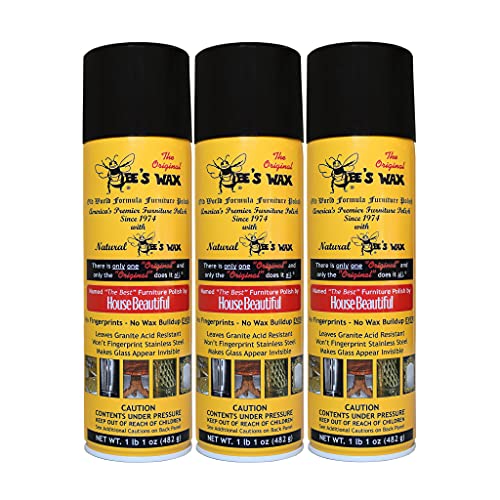
If you prefer a quick solution, consider using a spray-on formula containing a blend of oils and waxes. This method offers a convenient way to restore shine while simultaneously enhancing protection. Spray a light coating from about 12 inches away, then buff with a cloth to achieve a satin sheen.
For more durability, I often turn to beeswax or a paste wax blend. Once the surface is clean and dry, apply a thin layer using a soft pad or cloth. After letting it sit for about 10 to 20 minutes, buff it out with a clean cloth to reveal a beautiful luster and added water resistance.
Regular maintenance is key. A light application of oil or wax every few months can keep surfaces looking their best. For occasional deep nourishment, reapply the oil and allow it to sit longer before buffing out to achieve a richer finish.
Methods to Enhance the Wood Grain
Applying a tinted wood conditioner can significantly elevate the natural patterns in the grain. This product penetrates and highlights the unique character of the material, making imperfections less noticeable while enriching the overall appearance. Follow the manufacturer’s instructions for optimal results, ensuring an even application with a soft cloth or brush.
Utilizing Stain Enhancers
For a more pronounced effect, consider using gel stains. These thicker formulations can be layered to achieve the desired depth of color without compromising the existing finish. I prefer to work in small sections, allowing each layer to dry thoroughly before proceeding to avoid streaks or blotches.
Before Applying Natural Oils
Natural oils, such as linseed or teak oil, not only nourish but also enhance grain visibility. Applying them in thin layers ensures that the wood can absorb what it needs without creating a glossy surface. I recommend using a microfiber cloth and working the oil into the grain for maximum absorption, wiping off any excess to prevent a sticky finish.
Safeguarding Restored Furniture from Future Damage
To effectively protect revitalized pieces, I recommend applying a high-quality protective finish. Consider using polyurethane, which adds a durable layer, or a natural option like shellac, which enhances the appearance while safeguarding against moisture and stains.
Maintaining optimal humidity levels in your environment also plays a critical role. Wood thrives in a balanced atmosphere; therefore, keeping humidity between 40% and 60% helps prevent warping and cracking.
Regular Maintenance
Routine cleaning with a damp cloth is essential. Avoid using excessive water, as it can penetrate and damage the underlying structure. For deeper cleans, a mild soap designed for delicate surfaces will suffice.
Inspect your items periodically for signs of wear. Early detection of scratches or dents allows for prompt treatment, preventing further deterioration. A quick application of wax can help in maintaining surface luster and adding a layer of protection.
Placement Considerations
Consider the location of your restored pieces. Avoid direct sunlight, which can lead to fading and discoloration over time. Additionally, placing them away from heat sources ensures that the finish remains intact.
| Tip | Description |
|---|---|
| Protective Finish | Apply polyurethane or shellac for durability. |
| Humidity Control | Maintain 40-60% humidity to prevent damage. |
| Routine Cleaning | Use a damp cloth and mild soap; avoid excessive moisture. |
| Regular Inspections | Look for scratches or dents for timely treatment. |
| Placement | Avoid sunlight and heat sources to protect integrity. |
Following these strategies will significantly prolong the beauty and lifespan of your cherished pieces, allowing them to be appreciated for generations to come.
Maintaining Your Restored Furniture Over Time
Regular cleaning is paramount in preserving the appearance of revitalized items. Utilize a soft, lint-free cloth to dust surfaces at least once a week. This practice prevents the buildup of grime that can dull the finish.
Routine Care Steps
- Use a mild soap mixed with warm water for deeper cleaning. Ensure that the cloth is damp, not wet, to avoid moisture damage.
- After cleaning, apply a specialized wood conditioner to nourish and protect the surface. Follow the product instructions carefully.
- Avoid cleaning products containing ammonia or bleach, as they can cause discoloration and degradation.
Environmental Considerations
Positioning items away from direct sunlight helps prevent fading. Use coasters to shield surfaces from moisture rings; avoid placing hot items directly on the surfaces, as heat can compromise the finish.
Periodically check for any signs of wear, such as scratches or dull areas, and address these immediately to maintain the integrity of the piece. Applying a fresh coat of oil or wax every six to twelve months can rejuvenate the finish and enhance luster.
Storing items in a controlled climate with stable humidity levels ensures long-lasting beauty. Avoid cabinetry or spaces that experience extreme temperatures or humidity fluctuations to protect your beloved possessions.
FAQ:
What are some basic steps to restore old wood furniture without stripping it completely?
To restore old wood furniture without stripping, you can follow these basic steps: First, clean the furniture surface thoroughly using a mixture of soap and water. After drying, inspect the wood for any scratches or damage. For light scratches, use a wood polish or wax to blend them in. If the finish is dull, applying a furniture oil or wax can help revitalize it. For deeper damage, consider using a wood filler before sanding and refinishing. Always test any product on a small, inconspicuous area first to ensure compatibility with the finish.
Can I use vinegar and olive oil to restore my old wooden furniture?
Yes, a mixture of vinegar and olive oil can be used to restore old wooden furniture. The vinegar acts as a mild cleaner, removing grime and dirt, while the olive oil provides moisture and shine to the wood. To create the mixture, combine equal parts vinegar and olive oil in a spray bottle. Lightly spray the solution onto the furniture, then use a soft cloth to rub it in gently, following the grain of the wood. This method can enhance the appearance of your furniture while nourishing the wood.
Is it safe to use commercial wood cleaners on antique furniture?
Using commercial wood cleaners on antique furniture requires caution. Some commercial products contain chemicals that can damage the finish or the wood itself. Always check the ingredient list and test the cleaner on a small, hidden area first. If the cleaner is too harsh, consider using a natural option like a mixture of olive oil and vinegar, or a product specially formulated for antiques. In general, less is more with antique furniture, so gentle cleaning methods are recommended.
What types of finishes can I apply to protect restored wood furniture?
After restoring wood furniture, you can apply several types of finishes for protection. Options include furniture wax, which offers a natural glow and is easy to reapply; oil finishes, such as tung oil or Danish oil, which penetrate the wood for deeper protection; or water-based polyurethane, which provides a durable surface finish. Each finish has its own application method and drying time, so be sure to read the instructions. Choosing the right finish depends on the desired look and the level of protection needed.
How do I remove water stains from wood furniture without stripping?
To remove water stains from wood furniture without stripping, you can use a few simple methods. One effective way is to apply a mixture of equal parts mayonnaise and vinegar to the stain, letting it sit for a few hours before wiping it off with a soft cloth. Another method involves using a hairdryer on a low setting to gently heat the area while constantly moving it to avoid overheating. The heat can help lift the moisture trapped in the wood. Always follow up with a wax or polish to restore shine and protect the surface.
What are the best methods to restore old wood furniture without stripping it?
Restoring old wood furniture without stripping involves several gentle methods to clean, condition, and enhance the existing finish. One effective approach is to clean the furniture with a mixture of mild soap and water to remove dirt and debris. After cleaning, using a wood conditioner or oil can help revive the wood’s natural luster and protect it from future damage. Additionally, using a fine steel wool or sandpaper can smooth out rough spots without removing too much of the original finish. Applying a wax can also help maintain the furniture’s appearance while providing a protective layer. These methods preserve the original patina and character of the piece.