
 Caleb Turner

To breathe new life into classic wooden pieces, begin with gentle cleaning. Use a soft cloth, slightly dampened with a mix of mild soap and water. This removes dust and grime without damaging the wood’s finish.
After cleaning, assess the surface for scratches or dullness. For minor imperfections, a fine-grit sandpaper can be your ally. Lightly sand in the direction of the grain to preserve the wood’s structure. Be cautious; excessive sanding may strip the finish.
Applying a suitable wax or oil is essential at this stage. I prefer beeswax or a dedicated furniture oil, evenly spreading it to enhance the wood’s natural beauty. Allow it to penetrate, then buff it out for a smooth shine.
Don’t underestimate the power of a protective coating. Consider a clear polyurethane or varnish for added durability. Ensure the surface is clean and dry before applying, following manufacturer’s instructions for the best results.
Restoration Techniques for Vintage Wood Pieces
Begin with cleaning the surface using a mix of mild soap and water. Use a soft cloth to avoid scratches, gently wiping away dust and grime.
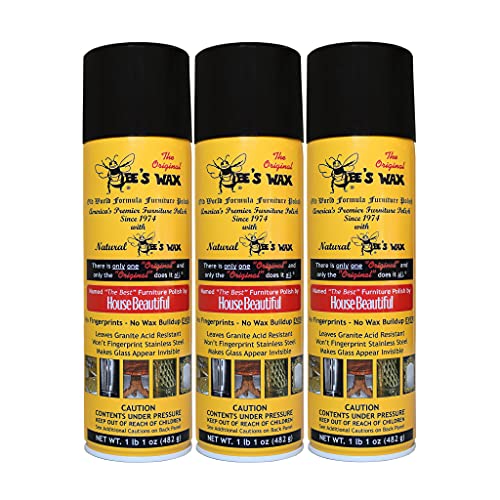


For scratches, consider using a furniture touch-up marker or colored wax filler. Choose a shade that matches the wood tone closely; apply lightly, and buff the area with a soft cloth.
If there is peeling or damaged sections, carefully lift the edges with a putty knife. Use wood glue to reattach the layer, clamping it in place until it dries. Ensure no excess glue seeps onto the visible surface.
To address discoloration or water stains, apply a mixture of equal parts vinegar and olive oil with a soft cloth. This can restore some luster and even out the finish.
- Refinishing: Lightly sand the surface with fine-grit sandpaper to remove old finish. Be cautious near edges to maintain the integrity of the piece.
- Staining: Use a stain that complements the original hue. Apply with a brush, and wipe off excess after a few minutes to avoid a saturated look.
- Topcoat: A clear polyurethane finish can protect the surface. Apply it with a high-quality brush in thin layers, allowing adequate drying time between coats.
For deeper gouges, consider using wood filler. After it dries, sand it smooth before proceeding with stain and topcoat applications.
Maintain these pieces by avoiding direct sunlight and placing coasters under drinks to prevent moisture damage. Regular dusting will also help retain the beauty of the wood over time.
Assessing the Condition of Your Veneer Furniture
Begin with a thorough visual inspection. Look for scratches, dents, or any signs of water damage. Pay attention to the joints; loose areas can indicate deeper structural issues. I find using a bright light helps reveal more details, such as the state of the grain and glue joints.
Identifying Surface Problems
Check for surface stains or discoloration. If you notice dim areas, they may result from moisture exposure. Test the integrity of the finish by lightly rubbing a damp cloth over a small area. If the color transfers, the finish is compromised and requires further attention.
Evaluating Structural Integrity
Gently press on different sections to assess stability. If a part feels soft or shifts, there may be underlying damage. Inspect for peeling edges, which usually suggest that the adhesive has failed. This could require re-bonding or replacement of sections.
Once I complete the assessment, I make notes on all the findings. This documentation guides the next steps in refurbishment, ensuring I focus on critical areas that need care.
Choosing the Right Tools and Materials for Restoration
Gather quality tools before working on your project. A rotary sander with various grits is my go-to for smoothing surfaces without damaging the thin layer of wood. For edges and detailed areas, a sanding block works well to maintain control.
Hand Tools
Invest in a set of precision chisels to tackle any repairs that require more than just sanding. A putty knife assists in removing old finishes or filling in small gaps. I also keep a sharp utility knife handy for trimming and clean cuts.
Finishes and Adhesives
Select the right finishing products to achieve an authentic look. Water-based polyurethane offers durability without masking the wood’s natural beauty. If repairs need to be made, a high-quality wood glue ensures strong bonds. For touch-ups, look for stains that match the original color closely; test applications on scrap pieces first to confirm the desired shade.
Cleaning Techniques for Veneer Surfaces
Begin with a microfiber cloth to gently wipe away dust and dirt. This soft material minimizes the risk of scratching the surface while effectively capturing debris.
For stains, create a mixture of warm water and a few drops of mild dish soap. Dampen the cloth with this solution, wring it out to prevent excess moisture, and gently clean the affected area. Always test a small, inconspicuous spot first to ensure no adverse effects.
In cases of stubborn grime or sticky residues, a solution of equal parts water and white vinegar can be used. Apply it sparingly with a cloth, taking care not to over-saturate the surface. Wipe with a clean, dry cloth afterward to remove any lingering moisture.
A soft toothbrush can help reach crevices. Dip it in the soapy water and gently scrub small, intricate areas. Follow up with a damp cloth to remove any soap residue.
For tough stains like ink or paint, a specialized wood cleaner can be effective. Follow the manufacturer’s instructions carefully, ensuring the application is gentle and consistent.
Using steam is another option to lift stains without excessive moisture. Hold a steam cleaner at a distance from the surface and let the steam penetrate the material, followed by a light wipe with a cloth.
Avoid harsh chemicals, abrasive materials, or excessive water, as these can damage or warp the surface. Always prioritize gentle cleaning methods to maintain the integrity of the wood.
After cleaning, applying a thin coat of furniture polish can enhance shine and protect the surface. Choose a product that is safe for wood and follow up with a dry cloth for an even finish.
Repairing Damaged Veneer: Peeling and Cracks
To effectively address issues such as peeling or cracks, I begin by preparing the damaged area. Ensure the surface is clean and free from dust. For peeling sections, I use a water-based glue or wood glue for adhesion. Apply a thin layer of glue beneath the veneer flap, then press it down firmly. I often use a small C-clamp or heavy object to hold it in place while it dries.
Filling Cracks
In cases of cracks, I fill them using wood filler that matches the color of the facade. I carefully apply the filler with a putty knife, ensuring it gets into every crevice. Once the filler is dry, I sand it smooth to match the surrounding surface. If necessary, I then apply a stain to blend the repaired area with the rest of the piece.
Additional Techniques
For deeper cracks, I may use epoxy resin for durability. This involves mixing the resin and hardener according to the product instructions. After applying it to the crack, I let it cure fully before sanding and finishing. Finally, I ensure to finish with a clear topcoat to provide protection and enhance the sheen of the surface.
| Problem | Solution |
|---|---|
| Peeling Veneer | Use water-based glue, press down, and clamp. |
| Cracks | Fill with wood filler, sand smooth, and stain. |
| Deep Cracks | Apply epoxy resin, sand, and finish. |
Refinishing the Surface: Staining and Varnishing
For the best results, I prefer to use water-based stains, which offer a range of colors and dry quickly. I apply the stain with a lint-free cloth, making sure to rub it into the surface evenly. This technique highlights the wood grain, providing a rich appearance. A foam brush can also be used for larger areas. Allow the stain to penetrate for 5-10 minutes before wiping off any excess. This ensures an even finish and helps prevent blotching.
Applying Varnish
Once the stain is thoroughly dried, I move on to varnishing. I opt for a high-quality polyurethane or acrylic varnish for a durable finish. Using a clean foam brush, I apply thin coats, allowing each coat to dry completely before adding the next one. Sanding lightly with fine-grit sandpaper between coats enhances adhesion and results in a smooth surface. Typically, I apply three coats for optimal protection, especially on surfaces that will see frequent use.
Final Touches
After the final coat dries, I use a soft cloth to buff the surface gently. This step adds a subtle sheen and brings out the color depth achieved during staining. If I want an even glossier finish, I consider applying a paste wax after the varnish cures fully. This not only enhances appearance but also provides an extra layer of protection against scratches and stains.
Protecting Your Restored Furniture for Longevity
To ensure the durability of your revitalized piece, prioritize regular maintenance. Establish a routine dusting regimen with a soft microfiber cloth to prevent dirt accumulation.
Consider applying a protective finish like wax or a suitable oil. This will create a barrier against spills and stains. Follow these steps:
- Select high-quality beeswax or a natural conditioning oil.
- Apply a thin layer using a soft cloth, moving in the direction of the grain.
- Allow it to sit for a few minutes, then buff it with a clean, dry cloth for a smooth finish.
Avoid placing hot items directly on the surface. Always use coasters or mats to minimize heat exposure. This practice will help prevent warping or discoloration.
Control the environment where the item is kept. Maintain a consistent humidity level, ideally between 40-60%, and avoid direct sunlight which can cause fading. Utilize curtains or UV-filtering window film to protect against harmful rays.
For furniture that sees frequent use, consider the application of a clear acrylic or polyurethane topcoat. This can provide an additional layer of protection from scratches and moisture. Follow these tips:
- Ensure the surface is clean and sanded lightly for proper adhesion.
- Use a high-quality applicator to apply the finish evenly.
- Allow adequate drying time between coats for optimal results.
Regular inspections will help identify any wear or damage early. Addressing these issues promptly will enhance the lifespan of your prized items.
Common Mistakes to Avoid During Restoration
Avoid using harsh chemicals for cleaning. Instead, opt for mild soap and water to prevent damage to delicate surfaces.
Be cautious with sanding. Over-sanding can remove too much of the top layer and compromise the underlying wood structure. Always test on a hidden area first.
Don’t rush the drying process after applying finishes. Allow sufficient time between coats to ensure proper adhesion and prevent imperfections.
Neglecting to properly assess damage can lead to ineffective repairs. Examine your piece thoroughly before deciding on a restoration strategy.
Avoid using low-quality materials. Investing in high-quality varnishes and stains will ensure durability and enhance the piece’s appearance.
Skipping protective measures is another mistake. Use coasters and avoid exposing the piece to direct sunlight to maintain its condition.
Don’t overlook hardware. Ensure that any replaced or polished hardware matches the original style and does not detract from the overall look.
Finally, avoid frequent changes in temperature and humidity. This can cause the wood to warp or crack, leading to long-term damage.


