
 Caleb Turner

First, I recommend cleaning the metal with a mixture of warm soapy water and a soft-bristled brush. This removes any dirt or debris without scratching the surface. Rinse thoroughly and allow it to dry completely before proceeding.
Next, assess for rust spots. If you notice any, use sandpaper or a wire brush to gently buff away the corrosion until you reach the bare metal. Be thorough, as any remaining rust can lead to future deterioration.

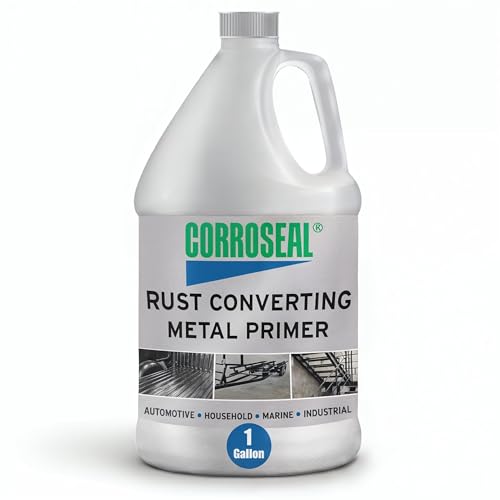

Once cleaned and smoothed, applying a rust-resistant primer is key. A quality spray primer designed for metal applications can ensure a solid foundation for your topcoat. After the primer dries, select a durable outdoor paint and apply it evenly. Two or three coats may be necessary for a resilient finish.
Finally, don’t forget to seal your work with a clear outdoor sealant. This provides additional protection against the elements, extending the lifespan of your revitalized seating.
Restoration Process for Metal Outdoor Seating
Begin with a thorough cleaning to remove debris and grime. I recommend using a stiff bristle brush combined with a mixture of warm water and mild detergent. This will lift any caked-on dirt and prepare the surface for further treatment.
Once cleaned, inspect for any signs of wear or damage. If you notice rust spots, sanding is necessary. Utilize medium-grit sandpaper to gently remove the rust until the metal surface is smooth again.
After sanding, apply a rust-inhibiting primer. I prefer spray primers for a more uniform coat. Ensure it dries completely as per the manufacturer’s instructions before proceeding with paint.
Select a high-quality exterior enamel paint that can withstand various weather conditions. Apply two to three thin coats, allowing time between each application for drying purposes. This helps prevent drips and uneven surfaces.
For added protection, consider applying a clear sealant after the final coat of paint has dried. This step can enhance durability and preserve the finish against wear.
Finally, reassemble any detachable parts carefully and check that everything is secure. Placing cushions or pads can improve comfort and extend the life of your refreshed seating.
- Materials Needed:
- Stiff bristle brush
- Warm water
- Mild detergent
- Medium-grit sandpaper
- Rust-inhibiting primer
- Exterior enamel paint
- Clear sealant (optional)
- Cushions or pads
By following these steps with attention to detail, I can breathe new life into my outdoor seating, ensuring it remains attractive and functional for years to come.
Assessing the Condition of Your Cast Iron Furniture
Before undertaking any restoration activities, I evaluate the overall state of my metal seating and tables. It’s crucial to check for visible signs of damage like rust, which can often indicate deeper issues.
Exterior Inspection
I carefully examine the surface for chipped paint or corrosion. A soft cloth helps remove dirt and debris, allowing a clearer view of any imperfections. If the surface feels rough or flaky, it suggests deterioration that needs addressing.
Structural Integrity
I also test the stability of each piece by gently shaking them. Any wobbling can signal weak joints or loose fittings, compromising safety and functionality. I pay particular attention to the legs and support structures, ensuring they are secure. For any significant issues, I document them to prioritize repairs effectively.
Taking the time to thoroughly assess these aspects not only helps in planning the next steps but ensures the longevity of my outdoor seating arrangements.
Gathering Necessary Tools and Materials for Restoration
I focus on gathering the right tools and materials before beginning any project. This ensures a streamlined process and efficient outcomes. Here’s what I find essential:
Tools
- Wire brush or steel wool: Helps in removing rust and old paint.
- Sandpaper: Different grits, ideally from coarse to fine, for smoothing surfaces.
- Putty knife: Useful for scraping off stubborn remnants and smoothing surfaces.
- Spray nozzle and hose: For cleaning and rinsing the pieces thoroughly.
- Rust-inhibiting primer: A strong base for the final finish, enhancing adhesion.
- Paintbrushes or spray gun: Depending on the preferred application method for the protective finish.
- Protective gear: Gloves, goggles, and a mask to ensure safety during the process.
Materials
- Rust converter: If corrosion is present, this will stop it from spreading.
- Weather-resistant paint: Select colors that suit the aesthetic while ensuring durability.
- Clear sealant: A topcoat that provides extra protection from the elements.
- Mineral spirits: For cleaning brushes and tools after painting.
- Rags and paper towels: Handy for clean-up and quickly wiping up spills.
Having these items ready allows me to concentrate on the task without interruptions. Prior planning is key to achieving the best results in revamping outdoor seating options.
Removing Old Paint and Rust: Step-by-Step Guide
First, I gather my materials: chemical paint stripper, wire brush, sandpaper (various grits), and a putty knife. I always wear protective gloves and a mask to guard against fumes and particles.
I apply the stripper evenly across the surface using a brush. Following the manufacturer’s instructions, I wait for about 15-30 minutes until the paint bubbles and lifts. Then, I use the putty knife to gently scrape away the loosened paint.
Next, I tackle any remaining flakes with a wire brush, focusing on areas that need extra attention. I switch to sandpaper to smooth the surface, starting with coarse grit and finishing with fine grit for a polished look.
If rust is present, I treat it with a rust converter, which can be applied with a brush. I let it dry completely as per the product instructions. Following this, I sand the treated areas lightly to ensure a smooth finish.
For stubborn rust, I may use a rust remover gel, applying it in thin layers. After it has set for the specified time, I scrub it off with a wire brush.
After removing both paint and rust, I clean the item thoroughly with soap and water, rinsing it well and allowing it to dry completely before proceeding to the next phase of rejuvenation.
Preparing the Surface for New Finish
Thoroughly clean the surface using a mixture of warm water and mild detergent to eliminate any debris, oils, or dirt. Rinse the pieces with clean water and allow them to dry completely. This step is crucial for adhesion of the new layer.
Inspection for Imperfections
Examine the surface for any remaining rust spots or old paint. Use fine-grit sandpaper or a wire brush to smooth out these areas, ensuring a level surface. Pay attention to corners and crevices where remnants might hide. Properly prepping these spots contributes to achieving a uniform finish.
Applying Primer
After the surface is dry and smooth, apply a rust-inhibiting primer suited for metal. A spray primer provides an even coat, while a brush can help reach tricky spots. Ensure the primer is completely dry before proceeding with the application of the final coat. This foundation layer significantly enhances the durability of the finish.
Choosing the Right Primer and Paint for Cast Iron
For optimal results, I recommend using a high-quality oil-based primer designed for metal applications. This type of primer adheres well to ferrous surfaces and provides excellent corrosion resistance. Always look for primers labeled as rust-inhibiting. Brands such as Rust-Oleum and Krylon offer reliable options.
When selecting paint, an exterior-grade, durable enamel is ideal. These paints withstand fading, chipping, and peeling caused by UV exposure. I prefer products that specifically mention being formulated for use on metal surfaces, ensuring longevity and a smooth finish. Specialty brands, like Benjamin Moore or Sherwin-Williams, feature quality outdoor enamels that perform well.
| Type | Recommended Products | Key Features |
|---|---|---|
| Primer | Rust-Oleum Metal Primer | Rust-inhibiting, fast-drying |
| Primer | Krylon Industrial Rust Protector | Excellent adhesion, durable |
| Paint | Benjamin Moore Regal Select | UV resistant, fade-proof |
| Paint | Sherwin-Williams Emerald Urethane Trim Enamel | High durability, smooth finish |
Before applying any product, check the manufacturer’s instructions on drying times and application methods. This ensures proper adhesion and a flawless final look. Properly layering both primer and paint enhances durability against the elements.
Applying Paint: Techniques for Even Coverage
To achieve a smooth finish, I prefer using a spray can or paint sprayer, ensuring an even application without brush strokes. Keep the nozzle about 6-12 inches from the surface. This distance helps in distributing the paint uniformly, minimizing drips and runs.
For more controlled application, a high-quality paintbrush works well. I choose a wide brush for larger flat areas and a smaller one for intricate designs. Using long, even strokes, I work in sections, ensuring to blend each area while the paint is still wet.
Mixing the paint thoroughly before application is critical. I stir well to avoid settling and to ensure consistent color throughout. If the paint feels thick, I thin it according to manufacturer instructions, which aids in smooth flow and coverage.
I apply multiple thin coats instead of one thick layer. This reduces the risk of drips. I allow each coat to dry as recommended before applying the next, ensuring lasting adherence and a polished result.
After finishing, I inspect areas under good lighting, looking for missed spots or uneven patches. Touch-ups are made promptly to maintain an immaculate appearance.
Finally, for added durability, I apply a clear sealant once the paint is fully cured. This not only protects the finish but enhances the appearance, providing a glossy or matte effect depending on preference.
Reinforcing Structural Integrity of Worn Pieces
Inspect joints and connections carefully; tightness is key. If any areas feel loose, use epoxy adhesive to bond them securely. Applying this material strengthens the bond and fills gaps caused by wear.
For extensive damage, weld replacement parts instead of relying solely on adhesives. Use a quality welder to attach new sections, ensuring the integrity of the framework.
Consider reinforcing weak sections with additional metal supports or braces. Measure dimensions before cutting and attaching new pieces for a precise fit.
After reconstruction, inspect thoroughly for any signs of instability. Any movement can indicate a need for additional support or adjustments.
Finish by applying a rust-inhibiting primer to exposed metal before the final coating. This step ensures prolonged durability and resistance against future deterioration.
Finishing Touches: Adding Protective Coatings
To ensure longevity in your revitalized outdoor seating and tables, applying a suitable protective coating is crucial. I recommend using a high-quality sealer that provides an additional barrier against moisture and rust. Look for options labeled as rust-inhibiting and UV-resistant.
Types of Coatings
- Acrylic Sealers: Easy to apply and dry quickly, offering a clear and invisible finish.
- Oil-based Paints: Provide excellent coverage and durability, perfect for high-traffic areas.
- Rust-inhibiting Primers: Ideal for areas prone to corrosion and wear.
Application Tips
- Ensure the surface is completely dry and free of any dust or debris before applying the coating.
- Use a high-quality brush or a spray applicator for an even distribution.
- Follow the manufacturer’s instructions regarding temperature and drying times for optimal results.
- Apply multiple thin layers rather than one thick layer to prevent drips and achieve uniformity.
After the final coat, allow ample curing time to ensure the protective layer bonds effectively. Regular maintenance, such as cleaning and reapplying the coating every couple of years, will prolong the life of your pieces. This attention to detail will keep them looking great while safeguarding against the elements.
Maintenance Tips to Extend the Life of Restored Items
Regular cleaning is key. I use a soft brush or a damp cloth to remove dust and debris. This prevents buildup and keeps surfaces looking fresh.
After cleaning, I apply a thin layer of paste wax or a suitable furniture oil to nourish the surface. This creates a protective barrier against moisture and grime.
Inspect regularly for signs of wear or damage. I check joints and seams for looseness and attend to any rust spots immediately with a sandpaper treatment.
Avoid exposure to extreme weather. I store my items in a covered area during harsh conditions to prevent deterioration.
When setting up for outdoor use, I place coasters or pads beneath items to avoid scratches and marks on surfaces.
| Tip | Description |
|---|---|
| Regular Cleaning | Use a soft brush or damp cloth to remove debris regularly. |
| Protective Coating | Apply paste wax or furniture oil to nourish and protect surfaces. |
| Frequent Inspections | Check for wear, damage, and rust; address issues promptly. |
| Weather Protection | Store items in a covered area during extreme weather. |
| Use Coasters | Place coasters under items to prevent scratches. |
Lastly, I avoid sharp objects and heavy impacts that could lead to chips or breaks, ensuring longevity for my pieces.


