
 Caleb Turner

Begin by assessing the condition of your items. Look for scratches, dents, or discoloration, as these signs indicate the areas needing attention. Cleaning surfaces with a soft cloth and gentle soap will provide a solid foundation for any further actions.
Next, I recommend using high-quality wood polish or a suitable wax to rejuvenate the original finish. Apply it evenly and buff with a microfiber cloth, enhancing the natural luster of the wood. This step not only improves appearance but also protects against future damage.
If deeper imperfections present themselves, sanding may be necessary. Gently abrade the affected areas, moving with the grain, to smooth out uneven patches. Aim for fine grit paper to avoid harsh scratches, ensuring a seamless blend with the existing finish.
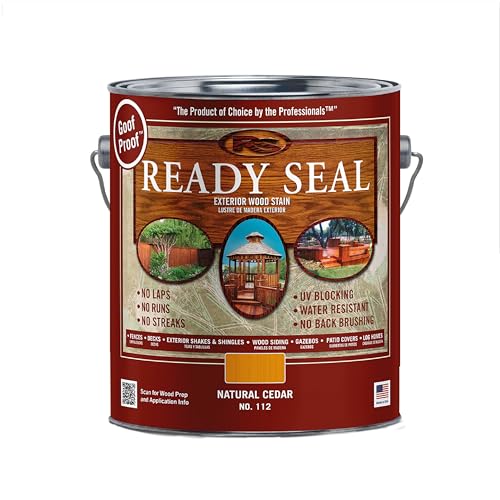
For items that have lost their color, consider applying a wood stain in a shade that matches or complements the original hue. This method can revive tired-looking surfaces and breathe new life into the décor of the space.
I also suggest using felt pads under items placed on surfaces to prevent future scratches and wear. Reinforcing stability with proper positioning and storage will help maintain the integrity of your cherished pieces for years to come.


Revitalize Your Sleeping Quarters
First, assess the condition of your items and choose the right materials. For scratches and dents, fine-grit sandpaper works well to smooth surfaces. Always follow with a clean, damp cloth to remove dust before applying any finish.
Next, consider using a high-quality wood stain. Test it on a small, inconspicuous area first. For a consistent appearance, apply it with a brush or cloth, making sure to follow the wood grain.
For a fresh coat of paint, choose an appropriate primer suited for the material you are working with. Allow the primer to dry completely before applying the topcoat. A satin or semi-gloss finish adds durability and is easier to clean.
Hardware can greatly affect the overall look. Replacing old knobs and handles with modern ones can provide a fresh vibe. Measure the existing holes before purchasing new hardware to avoid complications later.
Lastly, polish the entire piece with a quality furniture polish or beeswax to enhance the natural beauty and provide a protective layer. Regular maintenance will keep your pieces looking new.
Assessing the Condition of Your Furniture
Begin with a thorough inspection. Check for any visible damage such as scratches, dents, or cracks on surfaces. Ensure to evaluate all parts, including legs, joints, and handles.
Utilize the following checklist to confirm the status:
- Surface Quality: Is the finish intact? Look for peeling paint or worn varnish.
- Structural Integrity: Test the stability of each piece. Rocking or wobbling indicates possible repairs needed.
- Material Condition: Identify if the material is solid wood, particle board, or laminate. Each requires different care approaches.
- Hardware Assessment: Inspect hinges, drawer slides, and knobs for functionality.
- Upholstery Check: For upholstered items, examine for tears, stains, or sagging cushions.
Prioritize areas that show significant wear or damage. Take notes on what needs attention to plan the next steps effectively. An accurate assessment helps streamline the revitalization process, ensuring each piece receives the focus it needs.
Consider also the age and style of each item. Vintage or antique pieces may benefit from specific techniques that preserve their character while modern items might require a different approach for enhancement.
Choosing the Right Tools and Materials
First, gather high-quality sandpaper in various grits, starting with coarse (80-120) for heavy removal and finishing with fine (220-320) for a smooth touch. A power sander can speed up the process, but hand sanding is crucial for corners and intricate designs.
Next, secure a reliable wood filler to address any cracks or holes. Choose a product that matches the color of your piece or can be stained afterward. A putty knife will help apply the filler evenly.
Select the appropriate primer for the surface type. For wooden surfaces, a shellac or latex primer works well. If you plan to paint, a bonding primer can enhance adhesion. Ensure you have a good-quality paintbrush and/or roller for the top coat. Synthetic brushes are ideal for latex paints, while natural bristle brushes suit oil-based finishes.
For a polished finish, consider a clear sealer or varnish. Water-based options dry quickly and are less toxic; however, oil-based products tend to provide better durability. Prepare spray equipment if you want a professional-looking finish on surfaces.
Lastly, safety gear is non-negotiable. A dust mask, safety goggles, and gloves protect against dust and chemicals. Organizing your workspace with drop cloths and containers for tools will help maintain efficiency throughout the project.
Preparing the Surface for Restoration
Thoroughly clean the item using a mixture of warm water and a gentle soap. Use a soft cloth to remove dust, dirt, and grime. Avoid abrasive cleaners that can damage the finish.
Remove Existing Finishes
If the current surface has layers of paint, varnish, or lacquer, it’s necessary to strip these away. Utilize a chemical stripper or sanding method, depending on the material. Follow the product instructions carefully.
- For chemical strippers, apply with a brush and allow to sit as directed.
- For sanding, start with coarse grit paper, gradually moving to finer grits for a smooth finish.
Repair Damages
Inspect for scratches, dents, or structural issues. Fill small gaps or holes with wood filler and sand smooth once dry. Tighten any loose joints and replace damaged hardware as needed to ensure stability.
Finally, wipe down the entire surface with a tack cloth to remove any leftover dust or debris, ensuring a clean base for your upcoming finish application.
Repairing Scratches and Damages
I prefer to tackle scratches and blemishes using a few straightforward methods. For minor scratches, I find that a simple mixture of walnut oil and vinegar can work wonders. Dab this solution onto the scratch with a soft cloth, then buff gently in the direction of the wood grain. This often minimizes the visibility of the damage.
For deeper scratches, I use a wood filler. I select a filler that closely matches the color of the material. After applying it with a putty knife, I make sure it’s level with the surrounding surface. Once it dries completely, I sand it lightly to smooth the area, followed by a coat of finish that matches the original sheen.
In cases of more extensive damage, like gouges, I opt for wood epoxy. This provides a sturdy repair. I fill the gouge with epoxy, shape it meticulously, and, after curing, sand it down to blend seamlessly with the rest of the piece. Subsequently, I apply a finish, ensuring that the texture and gloss align.
For faded spots, I often turn to a color marker that’s designed for touch-ups. I match the shade as closely as possible, applying it directly to the area and letting it dry. Follow this with a clear coat for durability.
If the surface is chipped, I usually consider a technique using melted wax crayons. I select crayons that resemble the stain, melt them, and carefully fill the chip. After cooling and hardening, I polish the surface to a shine, blending the repair with the rest of the surface.
Lastly, when handling multiple damages, focusing on one item at a time keeps the repair manageable. I always ensure that the workspace is clean and organized. This makes the entire repair process smoother and more efficient.
Cleaning and Removing Old Finish
I recommend using a chemical stripper for effective removal of old finishes. Select a product specifically designed for wood. Apply it with a brush, covering the area thoroughly. After letting it sit for the time indicated in the instructions, use a putty knife to gently scrape off the softened finish. Work in manageable sections to ensure even results.
Sanding Techniques
If you prefer a more manual approach, sanding is another option. Start with coarse-grit sandpaper (around 60-grit) to remove the bulk of the old finish and switch to finer grits (up to 220-grit) for a smooth surface. Always sand along the wood grain to avoid scratches. Be mindful of applying even pressure to prevent uneven spots.
Finishing Touches
After removing the old finish, vacuum the area to eliminate dust and debris, then wipe it down with a damp cloth. Ensure the surface is completely dry before proceeding with any subsequent steps in the restoration process. This preparation is crucial for achieving a professional look.
Applying Stain or Paint Correctly
Before applying any stain or paint, I ensure the workspace is well-ventilated. This improves air quality and helps the application process. I choose the right type of stain or paint based on the wood type and desired finish. For a natural look, I prefer oil-based stains, while for a solid color, latex paint serves well.
I begin by testing the chosen product on a small, inconspicuous area. This way, I can confirm the color and finish align with my vision. Using a high-quality brush or foam applicator, I apply the stain or paint in thin, even coats. Excess product can lead to drips and uneven surfaces, so I wipe off any surplus promptly with a clean rag.
For stain, I allow it to penetrate the wood for the time specified on the label before wiping off the excess. I focus on working in manageable sections to maintain control over the application. Once the first coat dries completely, I lightly sand the surface with fine-grit sandpaper, ensuring to clean any dust before proceeding to a second coat.
For paint, I allow the first coat to dry thoroughly and then lightly sand if necessary. This helps the subsequent layers adhere better. I apply at least two coats, allowing proper drying time between applications to achieve a smooth, durable finish.
After the final coat, I let the piece cure according to the manufacturer’s instructions. This ensures longevity and resistance to wear. Handling or placing objects on the surface too soon can damage the finish.
Sealing and Protecting the Finish
To ensure durability and enhance the appearance, I recommend applying a high-quality sealant after the stain or paint has dried completely. Polyurethane, lacquer, or shellac are excellent choices depending on the desired finish and use of the piece.
Recommended Sealants
| Sealant Type | Finish | Best Use |
|---|---|---|
| Polyurethane | Matte, Satin, Gloss | High-traffic areas |
| Lacquer | Gloss | Quick-drying with a smooth finish |
| Shellac | Amber | Traditional pieces |
Before application, ensure the surface is free of dust and debris. I apply the sealant using a brush or spray, following the manufacturer’s instructions for best results. Multiple thin coats will yield a more resilient and well-protected surface than one thick coat.
Post-Application Care
After sealing, allow ample drying time before use. It’s wise to avoid exposing the surface to harsh chemicals or moisture for a few days. Regular maintenance, like dusting and gentle cleaning with a damp cloth, will preserve the finish over time.
Reassembling and Restructuring Loose Parts
Begin the reassembly process by carefully examining each component for any signs of wear or damage. Secure any loose joints using wood glue designed for furniture applications. Apply the adhesive liberally, ensuring it penetrates the joint, and clamp the pieces together for a strong bond. Allow the glue to cure for the manufacturer-recommended time before proceeding.
For parts that have been mechanically fastened, check and tighten screws and hardware. If threads are stripped, insert a toothpick coated in glue into the hole to create a new grip for the screw. Alternatively, use wood filler to fill the hole, let it dry, then re-drill for better fastening.
If you encounter dowel joints, remove old dowels gently and replace them with new ones if they are weakened. Use an appropriate adhesive and ensure a snug fit before reassembling. Ensure the alignment is correct for aesthetic purposes and structural integrity.
Inspect any corner brackets or braces and tighten them. If they show rust, clean them with a rust remover, and check if replacement is necessary. Secure everything with appropriate screws to enhance stability.
Once all components are firmly assembled, check for any noticeable gaps or misalignments. Use wood filler to smooth out any imperfections before moving on to surface preparation. This ensures that once finishing touches are applied, the overall appearance is flawless and the structural integrity is sound.
Tips for Maintaining Restored Pieces
Regular dusting with a soft microfiber cloth helps prevent dirt buildup and scratches. I suggest using a gentle cleaner specifically designed for wood or upholstery to maintain surfaces without causing damage.
Control humidity levels in the environment. Excess moisture can warp wood, while too little can lead to cracking. Using a humidifier or dehumidifier as needed can protect integrity.
Apply a coat of wax or polish every few months to maintain shine and provide a protective layer. I recommend choosing a product suitable for the specific material. For example, beeswax works well on wooden surfaces, providing a natural shield.
Avoid placing items directly on restored surfaces without coasters or pads, as this can lead to stains or heat damage. Keeping a small decorative tray for keys or miscellaneous items can reduce wear and tear.
Check regularly for loose parts or hardware, tightening screws and fittings to prevent further damage. This proactive approach extends the life of any refinished piece.
Always keep restored items out of direct sunlight to prevent fading or discoloration. Using curtains or blinds can modulate natural light effectively.
Rotate cushions and cushions covers if applicable, as this will help wear evenly, preserving the original look longer. This simple habit can prevent permanent impressions from forming.
For upholstered items, I recommend a professional cleaning once a year to remove deep-set dirt and stains, ensuring the fabric retains its texture and color.


