Caleb Turner

To breathe new life into those cherished heirlooms, begin with a thorough cleaning using a solution of warm water and mild soap. Gently wipe the surface with a soft cloth, removing dust and grime without scratching the finish.
If you’re facing unsightly scratches or dullness, a high-quality polish specifically designed for fine finishes can work wonders. Apply it sparingly with a clean, lint-free cloth, buffing in circular motions to restore the shine.
For deeper imperfections, consider using a fine-grade sanding sponge to smooth out the damaged areas gently. Follow up with a touch-up marker that matches the hue of your item, ensuring a seamless blend.


Finally, seal the surface with a clear protective coat to safeguard against future wear and enhance the piece’s natural beauty. Regular dusting and occasional polishing will keep your treasures looking their best for generations to come.
Steps for Reviving a Cherry Piece
First, assess the condition. Identify any scratches, dents, or discoloration that needs attention.
Next, for superficial scratches, I apply a mixture of equal parts olive oil and vinegar. This helps to nourish the surface and reduce the visibility of marks. I gently rub the mixture on the affected area with a soft cloth.
If I encounter deeper scratches or gouges, I utilize a wax filler stick that matches the hue of the surface. After applying the wax, I smooth it with a cloth and blend carefully into the surrounding area.
For cleaning, I prefer a gentle soap solution made with warm water and a few drops of mild dish soap. Using a microfiber cloth, I wipe the surface to lift dirt without harsh abrasives.
Once clean, I let the piece dry completely before proceeding to enhance the finish. I choose a high-quality furniture polish or beeswax for this stage, applying it evenly with a lint-free cloth. This step restores luster and provides a protective layer.
For minor water rings, I utilize a mix of equal parts mayonnaise and vinegar, applying it directly to the affected area. After a few hours, I wipe it off with a damp cloth, revealing an improved surface.
Regular maintenance is key. I dust frequently using a microfiber cloth and avoid placing hot or wet items directly on the finish to prevent damage over time.
Assessing the Condition of Your Cherry Furniture
Begin with a thorough inspection. Look for scratches, dents, or discoloration. Natural light can help reveal imperfections that may not be obvious under artificial lighting.
Evaluate Surface Issues
Run your fingers over the surface. A smooth finish suggests minimal wear, while rough patches indicate the presence of damage or unfinished areas. Pay attention to any raised grain or peeling lacquer. These can often be cleaned or sanded down, leading to a more polished appearance.
Check for Structural Integrity
Gently shake or press on various parts to ensure stability. Look for wobbly legs or loose joints, which may require tightening. Inspect joints for signs of separation, particularly where pieces meet. A secure frame enhances longevity and prevents further issues.
Assess any previous repairs. If there are noticeable marks where patches were made, consider whether they can be improved or hidden during the maintenance process.
Lastly, take note of the finish type. Identifying whether your piece has a wax, oil, or varnish coating helps determine the best approach to enhancement and care.
Choosing the Right Cleaning Products for Cherry Wood
Opt for pH-balanced, non-toxic cleaners specifically formulated for hardwood surfaces. I recommend using a gentle solution of water mixed with a few drops of mild dish soap to remove dust and grime without damaging the finish.
Avoid harsh chemicals and abrasive cleaners; they can strip the protective coating. Instead, look for products that contain natural oils, such as lemon or almond oil, which enhance shine while conditioning the surface.
For stubborn stains, a baking soda paste can work wonders. Mix baking soda with water to create a thick paste, apply it gently to the stained area, and wipe clean with a soft cloth after a brief period.
Regular maintenance with a high-quality furniture polish designed for hardwood is beneficial. Ensure it contains no silicone, as this can lead to build-up and attract dust over time.
Test any product in an inconspicuous area first to ensure compatibility and avoid unintended damage. When in doubt, I prefer using natural options to maintain the integrity and appearance of the surface.
Techniques for Stripping Old Finish from Cherry Wood
Begin with a high-quality chemical stripper, designed for furniture refinishing. Apply it generously across the surface with a brush, allowing it to sit according to the manufacturer’s instructions. This process effectively softens the existing finish, making it easier to remove.
For intricate details, use a plastic scraper or putty knife. Work carefully in the grain’s direction to avoid damaging the surface beneath. It’s essential to apply gentle pressure; excessive force can cause gouges.
Once the finish starts to lift, use steel wool or a scouring pad for thorough removal. Test a small area first to ensure no adverse reaction occurs. Afterward, use mineral spirits to clean the surface and neutralize any leftover stripper.
Rinse thoroughly with water and dry completely before proceeding with the next steps of your restoration project. For those tricky spots, a second application may be necessary to ensure all remnants of the previous finish are eliminated.
Opt for a well-ventilated workspace when using strippers or solvents. Safety goggles and gloves should be worn to protect against chemical exposure and dust particles. Taking these precautions is vital for a safe working environment.
Repairing Scratches and Dents in Cherry Surfaces
For minor scratches and dents, the simplest method I use involves a combination of natural ingredients and common household items. Begin by applying a small amount of olive oil mixed with vinegar directly onto the affected area. This mixture helps to nourish and restore the luster of the finish. Gently rub the solution with a soft cloth, moving in the direction of the grain.
Addressing Dents
To tackle deeper dents, I prefer a steam method. Here’s how I do it:
- Soak a clean cloth in water and wring it out until damp.
- Place the damp cloth over the dent.
- Use a hot iron and press it against the cloth for a few seconds. The steam generated helps to raise the wood fibers.
- Remove the cloth and lightly sand the area, then apply finish to blend it seamlessly.
Fixing Scratches
For scratches, there are several techniques I find effective:
- Use a wax crayon that matches the hue of the surface. Rub it into the scratch, then buff with a microfiber cloth.
- Mix equal parts of vinegar and olive oil or lemon juice. Apply with a cloth and gently rub to hide the scratch.
- If the damage is significant, consider using a touch-up pen specifically designed for wooden surfaces.
After completing any repair, ensure to apply a protective finish to maintain the integrity of the surface and prevent further damage. Regular maintenance is key to preserving the beauty of your pieces.
Applying Stain and Finish to Enhance Cherry Wood
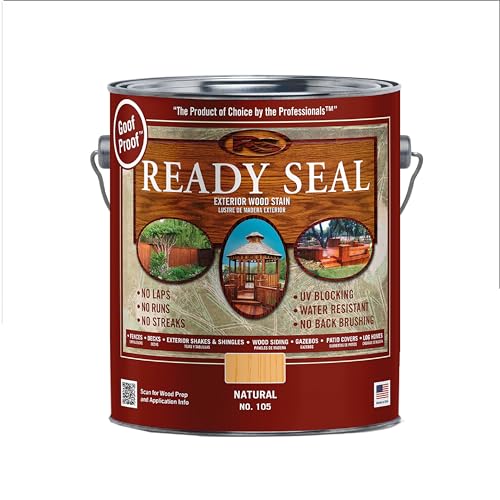
Begin by selecting a stain that complements the natural tones of the hardwood. I prefer oil-based options for their deep penetration and rich color. Before application, test the stain on a small, inconspicuous area to ensure the desired outcome.
Application Process
Ensure the surface is clean and dust-free. I use a clean, lint-free cloth or a brush for applying the stain. Apply the stain in the direction of the grain, allowing it to penetrate for a few minutes before wiping off the excess with a clean cloth. For deeper hues, consider applying multiple coats, making sure to allow adequate drying time between applications.
Finishing Touches
Once the stain is satisfactorily absorbed and dried, it’s time to apply a finish. I recommend a polyurethane finish for its durability and protection. Choose between satin or gloss, depending on the desired sheen. For application, I use a high-quality brush or foam applicator, working in thin, even layers. Allow each coat to dry completely before lightly sanding with fine-grit sandpaper to ensure a smooth surface for the next layer.
| Step | Description |
|---|---|
| Selection of Stain | Choose an oil-based stain that enhances natural tones. |
| Applying Stain | Use a cloth or brush, apply with the grain, wipe off excess. |
| Choosing Finish | Select polyurethane for durability, decide between satin or gloss. |
| Finishing Application | Apply thin layers, sand lightly between coats, allow full drying time. |
These steps will maximize the beauty of the hardwood, providing a lasting, appealing finish that enhances the character while protecting against wear and tear.
Maintaining Restored Cherry Wood Furniture for Longevity
Regular care is key to preserving the beauty of refinished pieces. I recommend a routine that includes the following practices:
- Dust regularly with a soft, lint-free cloth to prevent buildup that can scratch surfaces.
- Use a damp cloth for more thorough cleaning, but avoid soaking the surface.
- Immediately wipe spills to prevent moisture damage. Opt for a dedicated spray for moisture control.
- Apply a suitable polish occasionally to enhance the sheen and offer a layer of protection.
Seasonal humidity changes can affect the stability of the timber. I monitor humidity levels to maintain a consistent environment. Using a humidifier in dry months can prevent cracking.
Keep the items out of direct sunlight as UV rays can fade the finish. Consider window treatments or repositioning to shield them from harsh light.
Inspect surfaces periodically for signs of wear or moisture damage. Addressing scratches and dents promptly can minimize repairs later. I recommend having a repair kit on hand with wax fillers for minor imperfections.
For best results, store items away from extreme temperatures and avoid using chemical cleaners that may contain abrasive agents. Simple, natural products work best for maintenance.