
 Caleb Turner
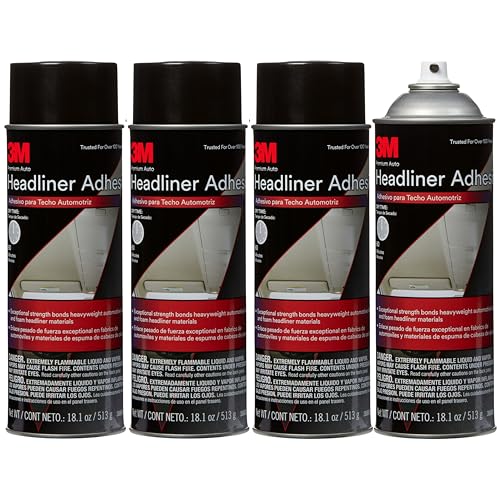
To effectively mend damaged upholstery, I recommend gathering a strong adhesive specifically formulated for textiles. Begin by cleaning the surrounding area of the fabric to ensure maximum adhesion. Apply a small amount of the adhesive along the edges of the tear, pressing the fabric down firmly to eliminate air bubbles.
If the damage is extensive, consider using a patch. Select a fabric that closely matches the original material, and cut it to size. Apply the same adhesive to the patch as you did for the tear, ensuring it overlaps the damaged area adequately. After positioning the patch, weigh it down with a heavy object for several hours, allowing the glue to set completely.
To finish, use fabric dye or paint to blend any noticeable mismatches, ensuring a seamless appearance. For long-term durability, treat the fabric with a protective spray designed for upholstery, safeguarding against future wear and tear. This approach will not only restore your furnishings but also prolong their lifespan.


Repairing Damaged Upholstery
For urgent fixes, consider using a patch kit specifically designed for this purpose. Cut a piece of the patch material slightly larger than the damaged area. Apply fabric adhesive around the edges, then firmly press the patch over the opening. Allow sufficient time for drying as per the product instructions.
If the tear is small, I often utilize needle and thread. Choose a thread that matches the color and texture of the material. Insert a needle into one side of the rip, creating small, tight stitches and gradually work across the opening. Ensure the stitches are not too tight to avoid further stress on the surrounding area.
For frayed edges, using fabric glue along the raw edges can help secure the fibers. I gently fold the edges inward and apply glue, holding them in place until it sets. This not only prevents more fraying but also offers a cleaner appearance.
If the damage is extensive, I recommend using a sewing machine for a more robust result. After aligning the fabric, I sew along the edges of the tear using a zigzag stitch. This provides extra durability and prevents further unraveling of the threads.
After addressing the damage, applying a fabric protector can prolong the item’s lifespan. This additional layer helps safeguard against future wear and spills. Following the manufacturer’s instructions is essential for the best results.
Assessing the Damage: Types of Tears in Fabric
Examine the area closely to identify the nature of the cut or rip. There are several categories of damage that need distinct approaches. First, straight-line tears, often caused by sharp objects, can be mended with adhesive patches or stitches that align the edges precisely.
Next, there are L-shaped or corner tears, which can require more intricate techniques. These types are frequently found at seams or edges, and reinforcing the area with fabric glue can help stabilize the repair.
Another category is frayed or worn areas which may not appear as obvious ruptures but require attention. I prefer to use a fray check solution to prevent further unraveling before applying any patches or stitches.
Finally, large, irregular tears necessitate a more comprehensive approach. Depending on the fabric type, I may opt to insert a backing fabric to support the repair. This method not only aids in making the fix more durable but also conceals the damage effectively.
Identifying these specifics allows me to choose the most suitable repairing option to restore integrity and appearance.
Choosing the Right Repair Method for Your Fabric Type
Prioritize identifying the material’s characteristics before proceeding with any restoration technique. Different textiles require specific approaches; for instance, natural fibers like cotton and linen can often handle patching well, while synthetic blends may need adhesive options.
If dealing with upholstery that features intricate patterns or textures, consider using a matching patch to maintain aesthetic cohesion. This facilitates seamless integration and prevents noticeable discrepancies post-fix.
For tightly woven materials, a needle-and-thread technique could be the best solution. Utilize a thread that closely matches the hue and texture of the original material to conceal stitches effectively. If opting for an adhesive method, ensure the product is compatible with your specific textile to prevent further damage.
In cases with heavier, more structured materials like canvas or denim, strong adhesive patches or specialized fabric tape can deliver durability. This approach adds strength, crucial for high-use areas.
Lastly, always conduct a patch test with any adhesive or repair material in an inconspicuous spot to confirm that it doesn’t affect the color or texture adversely.
Gathering the Necessary Tools for Fabric Repair
I recommend gathering the following items before starting any restoration task:
Scissors: A sharp pair is crucial for trimming frayed edges and preparing the material for a smooth finish.
Fabric adhesive: Look for a strong, flexible glue specifically designed for textiles. This will ensure a secure bond that can withstand regular use.
Needle and thread: Select a color that matches your material closely. A heavy-duty needle and durable thread will provide the strength necessary for stitching up any openings.
Patch material: Depending on the damage, you might need extra fabric. Choose a material similar in texture and density to achieve a seamless look.
Iron: An iron can be invaluable for removing wrinkles or creases from your fabric before applying any patches or adhesive.
Measuring tape: Precise measurements are key, especially when cutting patches or aligning seams; accuracy ensures the best results.
Fabric protector: Consider applying a protective spray after completion. This can help guard against future damage and stains.
Having these tools on hand will streamline the process and enhance the quality of the outcome.
Using Fabric Glue for Small Tears and Rips
I recommend using fabric glue for minor damages due to its simplicity and effectiveness. Ensure the adhesive is suitable for the material you are treating. Clean the area around the damage to remove dust and oils, ensuring a good bond. Apply a thin layer of glue to both sides of the tear, careful not to use excess adhesive as it can seep into the fibers. Press the edges firmly together and secure with a weight or clip for a few minutes.
Choosing the Right Glue
Select a fabric glue specifically designed for textiles. Look for options that are washable and flexible to ensure durability. Test a small, inconspicuous area before applying it to the visible section to avoid discoloration or adverse reactions.
Finishing Up
Allow adequate drying time as stated on the product guidelines. Once set, consider using a fabric sealer for added protection against future wear. Inspect the area regularly to ensure the bond remains intact and reapply adhesive if necessary.
Implementing a Sewn Repair for Larger Tears
For substantial damage, a sewn solution offers durability and longevity. First, thread a needle with a strong, color-matching yarn, ensuring the choice complements the textile. Use a double thread for added strength; this offers better support against future wear.
Begin by aligning the edges of the damaged area as closely as possible. To keep the fabric secure, use fabric clips or pins. I recommend starting at one end of the tear, employing a straight stitch. For an extra robust finish, opt for a zigzag stitch for the first few passes.
Continue stitching along the tear, ensuring even spacing. Keep your stitches small and tight to prevent tearing later. When approaching the end, make sure to backtrack a couple of stitches to secure the final section.
To conceal the stitches further, consider creating a patch with a fabric swatch that matches or complements the original material. Cut the patch slightly larger than the tear, and sew it over the repair area, merging the edges with the existing fabric to create a seamless look.
Finally, knot the thread securely on the underside of the fabric, trim excess material, and gently steam the area to smooth any wrinkles resulting from the stitching process. This technique not only fixes the damage but also ensures the area is reinforced against future failures.
How to Patch Torn Fabric: Step-by-Step Guide
Begin with cleaning the area surrounding the damage to remove any dirt or debris that could interfere with adhesion or stitching.
Cut a patch from a similar textile, ensuring it is slightly larger than the damaged area. If the fabric has a pattern, align it carefully for a seamless look.
Apply fabric adhesive around the edges of the patch, then press it firmly onto the damaged section. For better support, place a weighted object on top while it cures. Check the manufacturer’s instructions for drying time.
For a more robust solution, consider stitching the patch. Pin it in place, then use a needle and thread that matches the color of the material. Start sewing from the inner edge of the patch, working outward, and ensure tight, consistent stitches. Use a simple straight or zigzag stitch.
Once complete, trim any excess fabric from the patch edges if necessary. Finally, iron the area on a low setting, placing a cloth between the iron and the fabric to avoid direct heat exposure. This enhances adhesion and smooths surfaces.
Regularly check the patch to ensure its integrity and take action if it begins to lift or fray.
Color Matching: Selecting the Right Fabric for Patching
To achieve a seamless look, I focus on choosing a patch material that closely resembles the original textile. Observing the color palette, texture, and pattern of the damaged area is essential before making any decisions.
Steps to Choose the Correct Fabric
- Color Analysis: Utilize color-matching tools like swatches or color charts. Natural light can help in accurately assessing shades.
- Texture Consideration: Examine the feel of the original material. If it’s soft cotton, select a similar weight and feel to ensure uniformity.
- Pattern Matching: If the existing upholstery features a pattern, find a replacement that either replicates it or complements it without clashing.
- Durability: Ensure the new piece has similar durability characteristics. For instance, if the original is heavy-duty, select a patch that is equally robust.
Where to Source Fabric
- Local Fabric Stores: They often have a wider variety of textures and styles to choose from.
- Online Retailers: Websites provide extensive options, and I can filter results to match my specific needs.
- Secondhand Sources: Thrift shops or flea markets can yield unique finds that may align perfectly with the existing design.
By following these guidelines, I ensure the patching process results in a visually appealing outcome, maintaining the integrity of the original piece. Choosing the right textile is integral to achieving a harmonious finish.
Finishing Touches: Securing and Sealing the Repair
After addressing the initial damage, it’s essential to ensure your work stands the test of time. I focus on securing and sealing the area to prevent future issues.
Here’s a precise approach:
- Test the Adhesive: For those using glue, allow it to dry completely before proceeding. A strong bond is crucial.
- Apply a Sealant: Once dry, consider fabric sealant to guard against fraying and moisture. Use a spray sealant for even application. Follow the manufacturer’s guidelines for best results.
- Extra Stitching: For sewn repairs, reinforce the area with an additional line of stitching close to the original seam. Use a matching thread color for a seamless finish.
- Press the Fabric: Use a cool iron over a cloth to flatten the repaired area. This helps merge the threads and the patch, making it less noticeable.
- Final Inspection: Once everything is set, carefully inspect the work. Check for any loose edges or areas needing more reinforcement.
By following these steps, I ensure the durability and aesthetics of my restoration. Regular maintenance and gentle use will prolong the lifespan of the repair.
Preventive Measures to Avoid Future Tears in Furniture
Regular maintenance significantly extends the life of upholstery. I always inspect high-traffic areas for signs of wear and address them promptly. Vacuuming weekly prevents dirt build-up, which can weaken fibers over time.
Choosing Durable Materials
Selecting robust textiles during initial purchases is crucial. I prioritize fabrics like microfiber or leather for their resilience against damage. If pets are part of the household, micro-nylon options tend to withstand claws better.
Using Protective Covers
Investing in protective slipcovers or throws shields against spills and scratches. I find that washable options allow for easy cleaning, reducing permanence of stains or grime.
| Tip | Description |
|---|---|
| Regular Cleaning | Vacuum upholstery weekly to remove dust and particles. |
| Pet Considerations | Choose materials resistant to claws and scratches. |
| Slipcovers | Use washable slipcovers to protect against stains and damages. |
| Care Products | Utilize fabric protection sprays to enhance durability. |
Keeping items away from direct sunlight prevents fading and cracking. I use sheer curtains to filter light, maintaining color integrity.
Avoid placing heavy objects on upholstered surfaces. I always ensure that furniture is correctly distributed in a room to minimize pressure on specific areas.


