Caleb Turner

Begin with a thorough cleaning of the surface using a mild soap solution and a soft brush. This step removes dirt and grime that can inhibit treatment and maintenance processes.
Next, assess the condition of the wood. If you notice any grey areas or signs of weathering, lightly sand these spots with fine-grit sandpaper to restore the original hue and texture.
To protect the surface, apply a high-quality oil specifically designed for planet-based hardwoods. This acts as a barrier against the elements, preserving the beauty of your items while ensuring longevity.
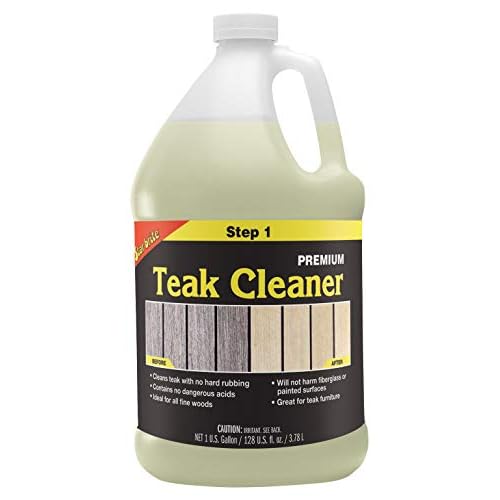
If you encounter stubborn stains or marks, consider using a specialized teak cleaner before applying the protective oil. This will help rejuvenate the wood’s appearance and prepare it for treatment.


Lastly, regularly inspect and maintain your pieces, reapplying oil as needed throughout the season to keep them looking their best. Consistent care will prevent extensive damages and extend their lifespan significantly.
Repair Techniques for Teak Garden Pieces
For deep scratches, I utilize fine-grit sandpaper. I sand the affected area gently, following the wood grain, until the surface feels smooth. Once the scratch is cleaned up, I apply a matching wood oil to restore its natural color.
To address loose joints, I carefully disassemble the piece. I apply wood glue into the joint, then clamp it together until the adhesive sets. For added strength, I may consider using wood dowels or screws if needed.
In cases of mold or mildew, I mix a solution of water and mild soap. Using a soft brush, I scrub the affected areas until the stains are gone, then rinse thoroughly and allow it to dry completely in the sun.
If the finish has faded, I apply a teak oil or protective sealant specifically formulated for wood. This not only revitalizes the appearance but also provides a layer of protection against the elements.
| Issue | Recommended Action |
|---|---|
| Deep scratches | Smooth with fine-grit sandpaper, apply matching oil |
| Loose joints | Disassemble, apply glue, clamp until set |
| Mold stains | Scrub with mild soap solution, rinse, dry |
| Faded finish | Apply teak oil or protective sealant |
Assessing the Condition of Your Teak Furniture
I recommend beginning with a thorough inspection. Look for surface scratches, discoloration, or any signs of mold and mildew. Pay close attention to joints and connections; these areas often degrade faster due to exposure to the elements.
Check for structural integrity by gently shaking or pressing down on the pieces. If you notice excessive wobbling or creaking, this indicates that the framework may be compromised. For deeper issues like rotting or wood splitting, carefully examine the grain and use a small tool to probe any suspect areas.
Cleaning your items before assessment can reveal hidden problems. Use a mild soap solution to remove debris, then observe how the wood reacts. If it seems to absorb moisture unevenly, additional treatment may be necessary. Sun exposure can cause fading, so note any areas that appear significantly lighter than others.
Finally, assess the finish. If the surface feels rough or looks patchy, it may need sanding or refinishing to restore its original luster. Consider the overall functionality; if any piece is no longer serving its purpose, it’s time to take action.
Cleaning Teak Furniture Before Repair
First, I gather the necessary supplies: a soft-bristle brush, mild soap, and water. I mix a small amount of mild detergent with warm water in a bucket. Using the brush, I gently scrub the surface, following the wood grain, to avoid scratches. This helps remove dirt and grime effectively.
Rinsing and Drying
After scrubbing, I rinse the piece thoroughly with clean water. It’s essential to ensure no soap residue remains, as it can attract dirt later. I then let it dry completely in a shaded area. Direct sunlight can warp the wood, so I make sure to avoid it.
Final Inspection
Once dry, I inspect for remaining stains or spots that may require additional cleaning. If needed, I can create a paste from baking soda and water for tougher stains. I apply the paste, let it sit briefly, and scrub gently before rinsing again. This comprehensive approach provides a clean surface for future restoration efforts.
Removing Old Finishes and Stains
I recommend beginning with a thorough examination of the surface to identify the types of finishes or stains present. This influences the removal method. Begin by using a soft bristle brush to remove loose dirt and debris.
Tools and Materials
- Protective gloves
- Finer grit sandpaper (120-220 grit)
- Paint stripper for stubborn finishes
- Cotton cloths
- Putty knife
Step-by-Step Process
- Wear gloves to protect your hands. Apply paint stripper according to the manufacturer’s instructions if finishes are resistant.
- Allow the stripper to sit for the recommended time. Use a putty knife to gently lift away the softened finish.
- Wipe the surface with a clean cloth to remove any residue left by the stripper.
- For remaining stubborn spots, lightly sand with finer grit sandpaper to achieve a smooth texture.
- After sanding, clean the surface again with a damp cloth to remove dust particles.
- Let it dry completely before proceeding with any further treatment or finishing steps.
By systematically addressing old finishes, I ensure a clean base for restoration.
Fixing Scratches and Minor Damages
To tackle scratches and minor imperfections on your pieces, I utilize a combination of natural oils and repair kits specifically designed for wooden surfaces. Here’s a straightforward process to follow:
- Identify the Damage: Examine the surface closely to determine the severity of scratches or dents. Distinguish between superficial marks and deeper gouges to select the appropriate method.
- Use a Wood Marker: For light scratches, a wood marker in a matching color can effectively mask the blemish. Apply the marker directly onto the scratch and blend it using a soft cloth.
- Apply Oil or Wax: To enhance the appearance of the wood and reduce the visibility of marks, I apply a high-quality wood oil or wax. This not only nourishes the surface but also helps in camouflaging minor flaws.
- Sand Down Deep Scratches: If I encounter more noticeable scratches, fine-grit sandpaper can gently smooth the area. Sand with the grain to avoid creating additional scratches.
- Fill Gaps: For deeper gouges, I use a wood filler that matches the hue of the wood. After application, I let it dry fully before sanding it smooth.
- Final Finish: After addressing the shortcomings, I recommend applying a protective finish or sealer to ensure longevity. This will help maintain the wood’s appearance and shield it from future wear.
Regular Maintenance
Keeping up with regular maintenance can prevent significant damage. I suggest periodic inspections and touch-ups to keep surfaces looking pristine. Clean and reapply oil regularly to protect against the elements.
Tools and Materials
- Wood markers in various shades
- Fine-grit sandpaper
- Wood filler (matching color)
- Natural oil or wax specific for wood
- Soft cloths for application and buffing
Addressing Loose Joints and Connections
Check each joint and connection carefully. If you notice any looseness, I often tighten them using wood glue or appropriate wood clamps. Apply a small amount of glue to the joint and secure it tightly with clamps. Allow it to cure fully according to the manufacturer’s instructions.
Reinforcing with Dowels
If tightening isn’t sufficient, consider reinforcing joints with dowels. Drill holes into both parts of the joint, ensuring they line up perfectly. Insert a wooden dowel with glue, then clamp the joint until dry. This method provides additional strength and stability.
Replacing Damaged Hardware
Sometimes, connectors or brackets may need replacement due to rust or wear. Remove any damaged hardware carefully and replace it with new, rust-resistant screws or brackets. This step helps maintain the integrity of the structure.
Applying Teak Oil for Protection
To achieve optimal results, I apply a high-quality teak oil that penetrates deeply, safeguarding the surface against weathering. I begin with a clean and dry piece, ensuring any moisture is completely evaporated to enhance absorption.
Using a lint-free cloth or a brush, I generously apply the oil, allowing it to soak into the wood for about 15 to 30 minutes. I keep an eye out for any dry spots, reapplying oil as necessary. After the initial absorption, I wipe off any excess with a clean cloth, preventing sticky residue.
This process can be repeated every six months to maintain a rich hue and protect against UV rays and moisture. Should the wood begin to look dull or dry, I know it’s time for another treatment to keep it looking its best.
For best results in tricky areas, I utilize a toothbrush or a small brush to ensure that every crevice receives adequate oil. After allowing the oil to cure for 24 hours, I feel confident that my pieces are well protected and ready to withstand the elements.
Maintaining Teak Furniture After Repair
To maintain your restored items, regularly clean them with a soft cloth and mild soap solution. After rinsing, ensure they dry completely to prevent moisture build-up.
Periodic Oiling
Apply protective oil every six months. This not only enhances the natural color but also provides a barrier against UV damage and moisture. Wipe off any excess oil after application to avoid a greasy appearance.
Seasonal Inspections
Inspect joints and surfaces every season for signs of damage or loosening. Tighten any loose screws or dowels immediately to prolong the life of the piece. Address any signs of wear swiftly to prevent further deterioration.
Storing Teak Furniture During Off-Seasons
I recommend storing your wooden pieces in a dry, covered space to protect them from moisture and temperature fluctuations. A garage or shed works well, but ensure proper ventilation to prevent mold and mildew formation.
Before moving items indoors, clean them thoroughly to remove dirt and debris. Use a soft brush or cloth and mild soap with water, rinsing well afterward.
If you have covers or tarps, utilize those to shield against dust and scratches during storage. Avoid plastic covers, as they can trap moisture; instead, opt for breathable materials.
Position each piece away from walls to allow air circulation. Elevate them slightly off the ground, using pallets or blocks, to prevent moisture absorption. Ensure that no heavy objects are placed on top, as this could warp or damage the surface.
If storing for an extended period, consider applying a layer of oil before placing them away. This will help maintain natural oils and reduce the risk of drying out.