
 Caleb Turner
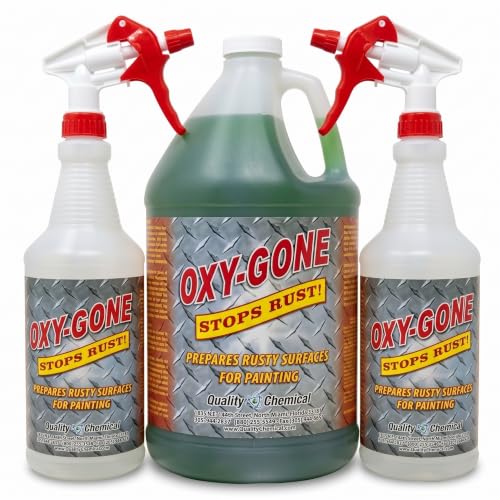
Begin by gathering your supplies: a wire brush, sandpaper, rust-inhibiting primer, and outdoor-rated paint. Ensure you have protective gear such as gloves and a mask, as the process can create debris and dust that should be avoided.
First, thoroughly clean the surfaces. Remove dirt and debris with soap and water, then let the items dry completely. Next, use the wire brush to eliminate any visible corrosion. For larger patches, sandpaper may be necessary to create a smooth, even surface.
Once the area is prepped, apply a rust-preventive primer specifically designed for exterior use. This step is crucial for fostering a strong bond with the subsequent paint layer, enhancing durability against the elements.
After the primer has dried as per the manufacturer’s instructions, coat the furniture with a quality outdoor paint, ensuring even coverage. Multiple thin layers yield the best results. Allow adequate drying time between each coat for optimal adhesion.
Finally, maintain your revitalized pieces by periodically inspecting for signs of wear and addressing issues immediately. Regular cleaning and touch-ups will prolong their life and keep your outdoor space inviting.


Restoration Techniques for Weathered Outdoor Seating
I recommend gathering all necessary materials before you begin the restoration process. You’ll need:
- Sandpaper or a wire brush
- Rust-inhibiting primer
- Exterior-grade paint
- Drop cloths or plastic sheeting
- Felt pads
- Protective gloves and eyewear
First, ensure the workspace is clear of debris. Place the item on a drop cloth to protect surrounding surfaces. Using sandpaper or a wire brush, thoroughly remove any flaking paint and corrosion. Pay close attention to crevices and joints where deterioration is common.
After cleaning the surface, it’s crucial to apply a rust-inhibiting primer. This step prevents further decay. Apply in a well-ventilated area, allowing adequate drying time between coats–typically about 2-4 hours, depending on the humidity and temperature.
Once the primer has dried, proceed with exterior-grade paint. I suggest using a spray or brush-on method for even coverage. Two coats may be necessary for optimal protection and aesthetics. Allow the first coat to dry completely before applying the second one.
After applying the paint, consider adding felt pads to the bottom of legs to protect your surfaces from scratches and wear. This small addition can prolong the longevity of both your seating and the underlying floor.
To maintain the refreshed appearance, regular cleaning with mild soap and water will help keep corrosion at bay. Store items indoors or under cover during harsh weather conditions to extend their lifespan.
Assessing the Extent of Rust Damage
Begin by visually inspecting the entire surface for discoloration and pitting. Pay close attention to joints and corners, as these areas tend to trap moisture, exacerbating deterioration. Use a damp cloth to wipe down surfaces; if the cloth picks up rust particles, it indicates active degradation.
Next, perform a simple scratch test with a metal tool. If the affected area crumbles or flakes easily, this signifies deeper corrosion. On the other hand, a stable surface often suggests that only superficial treatment is necessary.
Consider using a magnetic tool to check for structural integrity. If sections that should be magnetic are not, they may have rusted through, necessitating more extensive restoration efforts.
Document findings with photos and notes. This record will help me track progress and determine which areas might require immediate attention versus those that can wait.
Gathering Necessary Tools and Materials
For a successful restoration project, I gathered the following tools and materials:
Tools
| Tool | Purpose |
|---|---|
| Wire brush | To remove loose rust and paint from the surface. |
| Sandpaper | To smooth out rough areas and prepare for painting. |
| Scraper | To remove stubborn rust or paint clinging to joints and crevices. |
| Drill with wire brush attachment | To expedite the rust removal process on larger surfaces. |
| Paintbrush or spray gun | For applying protective coatings evenly. |
| Protective gloves and goggles | To ensure safety while working with tools and chemicals. |
Materials
| Material | Purpose |
|---|---|
| Rust converter | To transform remaining rust into a stable surface. |
| Primer | To prevent further corrosion before painting. |
| Weatherproof paint | To provide a durable finish against the elements. |
| Clear sealant | To enhance protection and longevity of the finish. |
Having these tools and materials on hand will make the process smoother and more efficient, ensuring a thorough approach to rejuvenating outdoor seating essentials.
Removing Rust with Manual Methods
I recommend using sandpaper or a wire brush for effective rust removal. Start with coarse sandpaper (80 to 120 grit) to tackle heavier corrosion. Gradually move to finer grits (220 to 400 grit) for a smoother finish. For tight spots, a wire brush is ideal, as it can reach crevices and remove stubborn flakes.
Technique and Approach
Employ a circular motion when sanding or brushing to achieve even pressure across the surface. Ensure consistent contact to effectively dislodge debris and oxidized material. After using sandpaper or a brush, wipe the area with a damp cloth to eliminate dust. A thorough clean prepares the surface for any protective coating you plan to apply later.
Alternative Manual Methods
If sandpaper doesn’t suit your preference, consider using vinegar or baking soda as natural rust removers. Soak a cloth in vinegar and apply it directly to the affected areas, letting it sit for approximately 30 minutes before scrubbing with a brush. For baking soda, mix it with water to form a paste, apply it to the rust, and scrub after allowing it to sit for an hour.
Using Chemical Rust Removers Safely
I prioritize safety when employing chemical rust removers. Begin by selecting products marked as safe for home use, ensuring they have clear application instructions.
Before I start, I wear protective gear: a mask, goggles, and gloves. This minimizes risk from fumes and skin contact. I also work in a well-ventilated area, opening windows or using a fan to disperse any harmful vapors.
It’s crucial to carefully read the manufacturer’s label for specific safety precautions and instructions on how to apply the remover effectively. I avoid mixing products, as this can result in dangerous chemical reactions.
While applying the remover, I do so with a brush or cloth to control the amount used and prevent excess from spilling. After the application time recommended on the label, I rinse the area thoroughly with water to neutralize any residual substances.
Post-cleaning, I store all chemicals securely, out of the reach of children and pets, and in their original containers to avoid confusion. Regularly checking the supply for expiration dates is part of my routine to ensure I use only effective products.
Preparing the Surface for Painting
I clean the surface thoroughly with soap and water to remove dirt and grease. Once dry, I use sandpaper or a wire brush to smooth out rough areas and eliminate loose debris. I focus on getting rid of any remaining oxidation, making sure to address both visible and hidden spots. After sanding, I wipe down the surfaces with a damp cloth to clear away dust particles. This ensures proper adhesion of the paint.
If I notice areas with deeper corrosion, I apply a rust-inhibiting primer. I select a product compatible with the intended paint type. This step creates a barrier that prevents future deterioration. I allow the primer to dry completely before applying the color finish, ensuring a long-lasting result.
Finally, I inspect the surfaces for any remaining imperfections and make adjustments as needed. I’m careful to follow the manufacturer’s instructions for both primer and paint for the best outcome.
Choosing the Right Paint for Metal Items
Opt for a paint specifically designed for outdoor use to ensure durability against weather elements. Look for products labeled as rust-preventive or corrosion-resistant.
- Acrylic-based Paints: These are water-based, making them easy to clean up and low in VOCs. They offer good flexibility and excellent adhesion.
- Oil-based Paints: Known for a harder finish, these offer superior durability. However, cleanup requires solvents, and they emit higher VOCs.
- Spray Paint: Ideal for intricate designs and hard-to-reach areas. Ensure it’s formulated for metal surfaces and offers rust protection.
- Enamel Paint: Provides a hard, glossy finish that’s excellent for outdoor items. Choose an outdoor variant for best results.
Consider color and finish as well. A lighter color reflects sunlight and helps keep items cooler, while a matte finish may hide imperfections better than gloss.
Always verify compatibility; products should clearly state they adhere to the specific substrate. Testing a small area before full application is advisable. This way, I ensure that the paint behaves as expected. Following these guidelines helps achieve a long-lasting, aesthetically pleasing result.
Applying Protective Coating for Longevity
After ensuring the surface is clean and prepare, I always opt for a high-quality protective coating. A reliable option is an all-weather spray or brush-on sealant specifically designed for exterior surfaces. Before application, I shake the can thoroughly if using spray, or stir well if using a liquid in a can.
Application Techniques
To achieve uniform coverage, I apply the coating in thin layers, allowing each coat to dry according to the manufacturer’s guidelines. For spray applications, I keep a distance of about 6-12 inches from the surface, using steady, sweeping motions. For brush-on products, I use a high-quality brush to avoid streaks and achieve a smooth finish.
Additional Tips
It’s crucial to perform this task in a well-ventilated area, ideally on a dry day. If necessary, I apply multiple coats to enhance durability, particularly in high-humidity environments. Regular inspection and reapplication every couple of years will significantly extend the lifespan of the items.
FAQ:
What materials do I need to repair rusted metal patio furniture?
To repair rusted metal patio furniture, you will generally need the following materials: sandpaper or a wire brush to remove rust, rust-inhibiting primer, metal paint (preferably formulated for outdoor use), a clean cloth for wiping down surfaces, and protective gear like gloves and a mask. Depending on the extent of the rust damage, you might also need a patching compound or welding supplies if any parts need to be physically replaced.
How do I safely remove rust from my patio furniture?
Begin by using sandpaper or a wire brush to scrub the rusted areas of the furniture. For larger patches, an electric sander can accelerate the process. Once the rust is removed, clean the surface with a damp cloth to remove any dust or debris. Let it dry completely before proceeding with further steps. Always wear gloves and a mask while doing this to protect yourself from dust and debris.
Can I prevent rust from coming back after I repair my patio furniture?
Yes, you can take several steps to prevent rust from returning. After repairing the furniture, apply a rust-inhibiting primer before painting. Choose high-quality outdoor metal paint to create a barrier against moisture. Regularly inspect your furniture for signs of wear and address any scratches or chips in the paint quickly. Additionally, consider storing the furniture indoors during harsh weather conditions or using a cover to minimize exposure to the elements.
How long does it take to repair rusted metal patio furniture?
The time required to repair rusted metal patio furniture can vary based on the extent of the rust damage and the size of the furniture. Typically, cleaning and rust removal may take a few hours, while applying primer and paint could take an additional hour or two, depending on drying times. Overall, you should expect the entire process to take anywhere from a half day to a full day if you include drying times between coats of paint.
What are the signs that my metal patio furniture needs repair?
Look for visible signs of rust, such as orange or reddish spots on the metal surface. Other indicators include flaking paint, areas where the metal feels rough or pitted, and any spots that appear to be deteriorating or becoming weak. If you notice any structural issues, such as loose joints or wobbly legs, this is also a good sign that repairs may be needed to ensure safety and longevity.
What are the first steps to take when I notice rust on my metal patio furniture?
The initial steps involve assessing the extent of the rust damage. If the rust is surface-level, you can usually clean it off with a wire brush or sandpaper. Make sure to wear gloves and a mask to protect yourself from dust and debris. After removing the rust, clean the area with soap and water, then dry it completely to prevent further rusting. If the metal shows significant corrosion, consider whether you need to replace the piece or if it can be repaired.


