
 Caleb Turner
Clean the surface thoroughly with a microfiber cloth dipped in warm soapy water. This simple step ensures that dust and grime don’t interfere with any upcoming touch-ups.
For minor scratches, I recommend using a touch-up marker or a wax crayon that matches the hue of your piece. Gently rub it into the scratch, wiping away any excess for a seamless finish.
If you’re dealing with deeper blemishes, sand the affected area lightly with fine-grit sandpaper. Follow this by applying a matching paint for a smooth restoration. Allow it to dry completely before working on any adjacent sections.
To tackle stubborn stains, create a paste using baking soda and water. Apply it to the stain and let it sit for a few minutes before wiping it away with a damp cloth. This method works wonders, especially on fingerprints and minor marks.
Lastly, consider sealing your item with a clear coat spray to provide a protective barrier against future wear. This addition will not only enhance its durability but also maintain that fresh appearance over time.


Restoration Techniques for Light-Colored Pieces
For scuff marks, I utilize a mixture of baking soda and water to create a gentle paste. I rub this mixture onto the stained area using a soft cloth, then wipe it off with a damp cloth to leave a clean surface.
Dealing with Scratches
Applying a wax crayon in the same shade as the item’s finish can effectively fill in small scratches. After coloring over the scratch, I gently buff it with a soft cloth for an even look.
Addressing Dents
To fix dents, I place a damp cloth over the affected area and apply heat with an iron for a few seconds. This process helps the material swell back into its original shape. I allow it to cool before lifting the cloth to check the result.
| Issue | Solution |
|---|---|
| Scuff Marks | Baking soda paste |
| Scratches | Wax crayon |
| Dents | Heat and damp cloth |
Identifying the Type of Damage on Light-Colored Pieces
Begin by closely inspecting the surface for scratches, dents, or discoloration. Use natural light to highlight imperfections. Check for:
- Scratch marks: These are typically shallow and may appear white on a glossy finish.
- Dents: Feel for indents that disrupt the smoothness of the surface.
- Water stains: Look for rings and discoloration that indicate moisture exposure.
Next, assess the integrity of joints and connections. Look for:
- Loose joints: Gently wiggle pieces to identify any movement or instability.
- Cracks: Examine seams for any visible splits or separation.
Finally, inspect all hardware components for any issues, such as:
- Rust: Check for corrosion on metal fittings.
- Screws: Ensure they are tight and not stripped.
By thoroughly checking these areas, I can accurately determine the extent of the damage and plan the necessary steps for restoration.
Gathering Necessary Repair Tools and Materials
I recommend assembling a toolkit containing the following items to effectively address damage. A soft cloth will be useful for cleaning any surfaces before you begin your work.
Basic Tools
Consider having a set of screwdrivers, including Phillips and flathead, to handle various fittings. A hammer can be handy for small adjustments. If you encounter any dents or scratches, a utility knife can help trim away damaged edges.
Repair Supplies
I find wood glue invaluable for fixing loose joints or splits. Include some touch-up markers or paint specifically designed for the material, ensuring color matches. If necessary, a filler for deeper scratches or holes will provide a smooth finish. Lastly, don’t forget protective gloves to keep your hands clean throughout the process.
Gathering these tools and materials will set a solid foundation for addressing any issues you may find.
Cleaning the Surface Before Repairing
Ensure the area is free of dust and grime using a microfiber cloth dampened with a mild soapy solution. Wipe down thoroughly, paying attention to crevices where dirt tends to accumulate.
If stains are present, mix equal parts of baking soda and water to form a paste. Apply this gently to the stained area and let sit for a few minutes before wiping with a clean, damp cloth.
For persistent spots, use a soft-bristled brush lightly dampened with vinegar. Scrub gently to avoid damaging the finish. Rinse the surface with water and dry with a clean towel.
Conduct a final inspection for any remaining residues to ensure a clean working area, allowing for better adhesion during any subsequent treatments.
| Cleaning Method | Material Needed | Instructions |
|---|---|---|
| Basic Cleaning | Microfiber Cloth, Mild Soap | Wipe down surfaces thoroughly. |
| Stain Removal | Baking Soda, Water | Apply paste, let sit, then wipe. |
| Spot Treatment | Vinegar, Soft Brush | Scrub gently, rinse, and dry. |
Fixing Scratches with Touch-Up Markers
For minor scratches, touch-up markers offer a practical solution. Start by selecting a marker that matches the finish of your piece. Many brands specialize in colors and finishes that closely resemble popular furniture lines.
Steps to Apply Touch-Up Markers
- Clean the area around the scratch with a soft cloth to remove dust or debris.
- Shake the touch-up marker well before use to ensure even distribution of color.
- Test the marker on a hidden area to confirm the color match.
- Apply the marker to the scratch in light, steady strokes, filling the damaged area completely.
- Allow the color to dry for the time specified by the manufacturer, usually a few minutes.
- If necessary, apply a second coat for better coverage and let it dry again.
Finishing Touches
Once dry, wipe the surrounding area with a microfiber cloth to blend the touch-up with the rest of the surface. For extra protection, consider applying a furniture wax or polish over the area after the marker has fully cured.
Repairing Dents and Dings on Surfaces
For small dents, I use a heat source like a hairdryer. I warm the area gently for about 30 seconds, then quickly press a damp cloth over it. The heat helps expand the material, and the moisture can encourage it to reshape. This method can effectively minimize the appearance of shallow dents.
Using Iron and Damp Cloth Technique
Another approach involves placing a damp cloth over the dent and applying an iron on low heat for a few seconds. This releases steam and allows the material to swell back into shape. I ensure to keep the iron moving to avoid damage from direct contact.
Filling Deeper Indentations
For deeper marks, I utilize wood filler or a similar compound. I clean the area thoroughly, apply the filler with a putty knife, and smooth it out. After allowing it to dry, I sand the surface lightly until it’s flush with the surrounding area. Finally, I paint over it using touch-up paint to blend with the rest of the surface.
Post-repair, I evaluate the finish to ensure consistency. For any remaining imperfections, I repeat the process or apply a bit more paint as needed. This attention to detail results in a clean and restored look.
Removing Stains from Furniture Finish
For effective stain removal, I begin with a gentle approach. Use a soft cloth dampened with warm water to blot the stained area. This can lift some surface stains without causing damage.
If the stain persists, I create a mixture of baking soda and water to form a paste. Gently rub this paste onto the stain using a soft cloth in a circular motion. Rinse with a damp cloth afterward to remove any residue.
For tougher stains like wine or coffee, I mix equal parts of vinegar and water. I apply this solution with a clean cloth to the affected area, ensuring not to saturate it. After applying, I wipe it off with a dry cloth.
- Test any cleaning solution on an inconspicuous area first.
- Avoid abrasive pads which can scratch the surface.
- Regular cleaning can prevent stains from setting in.
For ink stains, rubbing alcohol can be effective. Dampen a cotton ball with isopropyl alcohol and gently dab the stain. Afterwards, clean the area with a damp cloth.
In case of grease stains, sprinkle talcum powder on the area and let it sit for a few hours before brushing it off. This method absorbs the grease without damaging the finish.
Lastly, after treating, maintain the surface with a quality furniture polish to restore shine and provide a protective layer.
Repainting or Refinishing White Furniture
For a refreshed look, I choose a high-quality primer designed for laminate or gloss surfaces. This step ensures better adhesion of paint. After priming, I apply a durable, non-yellowing paint in a satin or semi-gloss finish for optimal durability and easy cleaning.
Before I start painting, I gently sand the surface using fine-grit sandpaper. This helps in preparing the material and achieving a smooth finish. I wipe the surface with a damp cloth to remove dust particles after sanding.
When applying the paint, I prefer a foam roller for larger areas and a brush for edges and details. I apply thin coats, allowing sufficient drying time between each layer, usually 2-4 hours, as per the paint manufacturer’s instructions.
If I want a truly professional look, I often consider using a paint sprayer, especially for large pieces. It provides an even coat with minimal brush strokes. After I’ve completed the necessary coats, I finish with a clear topcoat to protect and enhance the surface.
In cases where I notice a significant color change or a lot of wear, a full refinishing might be the best choice. This process involves stripping the old paint or finish entirely, which can be achieved using a chemical stripper or sanding down to the bare surface. Once stripped, I follow the same steps: prime, paint, and seal.
Maintaining the integrity of the original design is crucial, so I ensure my colors match or complement the existing scheme in my space. A well-executed repainting can breathe new life into tired pieces, making them feel modern and fresh again.
Preventative Measures to Maintain White Furnishings
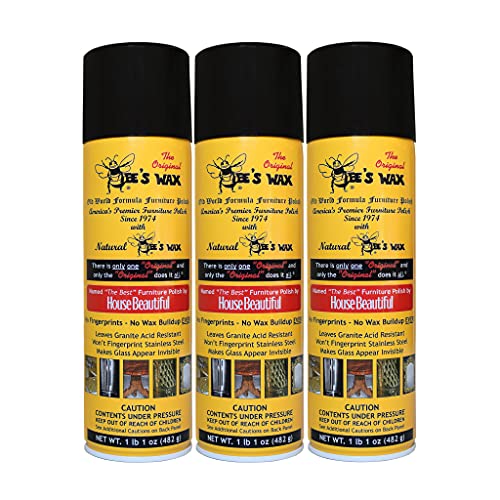
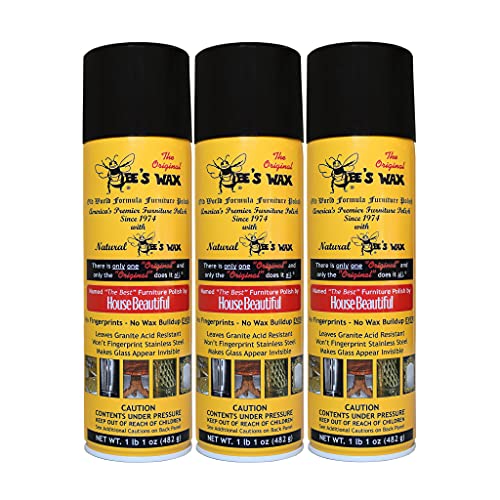
I regularly apply a furniture polish specifically designed for light-colored surfaces. It helps to create a protective barrier against moisture and dust. This two-in-one approach not only cleans but also enhances the finish, reducing the appearance of scratches.
Coasters are invaluable. I always place them under drinks to prevent moisture rings, which can mar the clean look of light-colored surfaces. Using placemats during meals helps prevent food stains and scratches from utensils.
Regular Cleaning Routine
I find that a weekly cleaning regimen using a damp microfiber cloth keeps the surfaces free from dust. This prevents buildup that can lead to scratches when wiped down. For tougher spots, a mild soap solution works wonders without harming the finish.
Avoiding Direct Sunlight
If possible, I position my light-toned pieces away from direct sunlight. Ultraviolet rays can cause fading and discoloration over time. Utilizing curtains or blinds can further protect against this damage while maintaining a bright atmosphere.


