Caleb Turner

First, gather the necessary materials: a good quality wood glue, clamps, and sanding tools. For minor separations, apply the adhesive directly into the gap. Spread it evenly using a small brush or a toothpick to ensure proper bonding. After applying glue, use clamps to hold the area tightly together while it dries, typically for at least 30 minutes.
If the blemish is deeper, consider using epoxy filler. Mix the compound according to package instructions and press it into the imperfection with a putty knife, making sure to overfill slightly. Allow it to cure fully, usually around 24 hours, before proceeding.
Once the filler is dry, gently sand the surface until it’s even with the surrounding area. Start with medium-grit sandpaper and finish with fine-grit for a smooth finish. Wipe the area clean to remove dust before applying any stain or finish to blend the repair with the existing surface.
Finally, whether you opt for a matching stain or a protective clear coat, ensure that the color and sheen match the rest of your piece. This attention to detail will help your restoration efforts maintain the charm and character of your antique treasure.

Techniques for Mending Damages in Antiquated Timber Creations
For seamless restoration, I prefer a combination of epoxy and wood filler. First, I clean the area thoroughly with a damp cloth to remove any dust or debris. Once dry, I gently apply the epoxy, ensuring it fills the entire space. After it sets, I sand it smooth with fine-grit paper, creating an even surface for finishing.

In scenarios where the damage is considerable, I opt for a wood patch. I select a piece that matches the original as closely as possible. Using wood glue, I affix the patch, ensuring it’s flush with the surrounding area. Once secured, I shape and sand it until it blends seamlessly with the existing structure.
Finishing Touches
I apply a suitable stain to match the original hue after the fixes are completed. I find using a brush for application allows me to achieve a more controlled and even coverage. Finally, I seal the surface with a quality finish to protect against wear, ensuring my restoration efforts stand the test of time.
Identifying Different Types of Cracks in Wood
I differentiate between several common types of fractures that can occur in timber. The most prevalent is a surface fissure, often originating from changes in humidity and temperature. These are typically shallow and visible only on the exterior. Assessing these can guide further treatment choices.
Next, hairline fractures represent microscopic separations in the grain that might not compromise structural integrity but can affect appearance. Regularly checking these can prevent them from worsening.
An additional category is deep splits, which penetrate through the thickness of the material. These occur due to significant stress or sudden impact. I closely examine the grain pattern alongside these splits to assess overall stability.
Another type includes checked surfaces, which occur often due to drying out. These can look like a series of shallow lines that can spread if left unattended. I find that addressing these conditions early can prevent further damage.
Lastly, shrinkage cracks occur as timber dries and contracts, leading to visible lines. Monitoring humidity levels in the surrounding area can mitigate the severity of such shrinkage.
Recognizing these distinctions empowers me to take targeted steps for each unique issue, thereby enhancing the longevity and aesthetic of the piece.
Gathering the Right Tools and Materials for Repair
Before tackling any restoration project, I ensure I have everything needed for a successful outcome. Here’s my list of must-haves:
- Wood Glue: Choose a high-quality, waterproof adhesive specifically designed for woodworking. This provides a strong bond and helps prevent future damage.
- Fillers: For smaller imperfections, I opt for wood fillers that match the color and texture of the surface. Options range from putty to epoxy, depending on the extent of the damage.
- Sandpaper: A variety of grits, from coarse to fine, is essential. Coarse grits help to shape the area, while finer ones allow for smoothing and finishing.
- Putty Knife: A flexible, durable putty knife is invaluable for applying fillers smoothly and evenly.
- Clamps: When making joints or applying glue, clamps help hold pieces together until the adhesive sets completely.
- Varnish or Stain: To restore the original look, select a stain or finish that matches the existing appearance, ensuring consistency in color and sheen.
- Brushes and Rags: Natural bristle brushes are excellent for applying finishes. Soft rags assist in wiping away excess product and polishing surfaces.
Beyond these essential items, I also make sure to have safety gear like gloves and a mask to protect against inhaling dust or fumes. Taking the time to gather these tools and materials before starting makes all the difference in achieving a polished finish.
Preparing the Furniture Surface for Repair
Thoroughly cleaning the surface is crucial. Dust, dirt, and oils must be removed to ensure a proper bond during the restoration process. Use a microfiber cloth or a soft brush to eliminate debris.
Steps for Surface Preparation
- Dust Removal: Lightly dust the area using a microfiber cloth. Pay special attention to crevices where particles can accumulate.
- Cleaning Solution: Prepare a mixture of mild soap and warm water. Dampen a cloth with the solution and wipe down the surface to remove any residual grime.
- Drying: Allow the surface to dry completely. This step is vital to prevent moisture interference during the application of fillers or adhesives.
Inspect for any loose finish or peeling varnish. If found, gently sand these areas with fine-grit sandpaper until smooth. This creates a uniform surface that enhances adhesion.
Sealing the Surface
After sanding, consolidate the surface with a sealant if needed. This step provides an additional barrier against further moisture penetration and strengthens the bond for any materials applied later.
- Select a sealant that matches the finish of the item.
- Apply a thin coat evenly with a brush or cloth and allow it to cure as per the manufacturer’s instructions.
Completing these steps ensures a solid foundation for the upcoming restoration efforts.
Choosing the Appropriate Wood Filler for Cracks
Selecting the right filler demands careful consideration of the material’s characteristics and the specific type of fissure present. I prefer products based on the intended finish and durability required for my project. For smaller gaps, a lightweight, quick-drying wood filler is often adequate. In contrast, for broader openings, using a dense, two-part epoxy can provide greater stability and longevity.
Types of Fillers to Consider
Water-based fillers are excellent for indoor projects due to their ease of application and cleanup. They often adhere well to various surfaces and can be easily sanded once cured. On the other hand, solvent-based options offer superior durability and can withstand more significant stress, making them suitable for pieces subjected to regular use.
Color Matching
Pay attention to color matching to achieve a seamless repair. Most brands offer a range of shades to choose from, allowing for precise blending with the existing surface. I recommend testing the chosen filler in an inconspicuous area before committing to the entire repair to ensure satisfaction with the result.
Applying Wood Filler: Techniques for a Smooth Finish
To achieve a seamless result with the filler, I focus on precise application methods that minimize the appearance of imperfections. Here are some techniques I utilize:
Tools and Application Method
Using a putty knife, I apply the filler directly into the damaged area. It’s crucial to press it in firmly but avoid overfilling. Working with a clean, flat edge allows for better control and smoother results.
I often start at the deepest point of the indentation and move outward, ensuring to blend the edges with the surrounding area. I prefer to apply multiple thin layers rather than one thick application, letting each layer dry completely before adding more.
Sanding for Perfection
Once the filler is fully cured, I begin sanding. I use a fine-grit sandpaper to smooth the surface, ensuring it becomes level with the adjoining area. Light circular motions or back-and-forth strokes help eliminate any surface irregularities.
After the initial sanding, I wipe away dust with a tack cloth and visualize the smoothness of the finish. If needed, I might apply another layer of filler, repeating the sanding process to guarantee an even surface.
| Step | Tips |
|---|---|
| Application | Press firmly and maintain a flat edge. |
| Layering | Apply thin layers, allowing full drying time. |
| Sanding | Use fine-grit paper for a smooth finish. |
Regular checks for smoothness during the sanding phase can prevent additional work later on. A well-applied filler significantly enhances the overall aesthetic, making it look renewed and polished.
Finishing Touches: Sanding and Staining the Repaired Area
Once the filler has dried completely, it’s time to smooth the surface. I use fine-grit sandpaper (220-grit) for this step. Gently sand the repaired area, following the grain of the material to avoid creating scratch marks. Ensure that the filler is level with the surrounding area. If necessary, I repeat the filling and sanding process until I achieve a seamless finish.
After achieving a smooth surface, I clean the area to remove any dust created during sanding. A damp cloth works well for this, as it captures particles without leaving moisture behind.
Next, choosing a suitable stain is crucial to match the existing finish. I always test the stain on a small, inconspicuous spot before applying it to the repaired section. This step allows me to see how the color interacts with the material and ensure a consistent appearance.
- Apply the stain using a soft cloth or brush, working it into the repaired area.
- Wipe off any excess stain after a few minutes, ensuring I achieve the desired shade.
- Let the stain dry completely, following the manufacturer’s instructions for drying times.
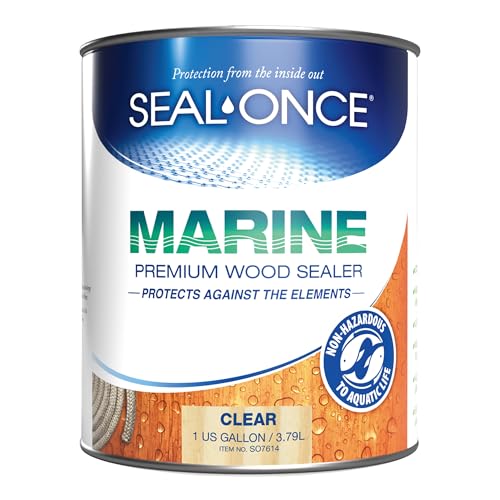
If an additional coat is needed for better color depth, I apply it after the initial layer has fully dried. Once satisfied with the color, I seal the area with a clear protective finish, such as polyurethane or varnish, to enhance durability.
Finally, I evaluate the overall finish. If necessary, I can lightly sand the entire area again and reapply the protective coating for a flawless appearance. This attention to detail truly brings the piece back to life.
Preventing Future Cracks: Maintenance Tips for Wood Furniture
Regularly applying a quality wood conditioner can significantly reduce the risk of splits and fractures. I recommend using a silicone-free product, which penetrates the grain and nourishes the fibers without leaving a greasy residue.
Maintain an optimal humidity level in your home by using a humidifier during dry seasons. A range of 40-60% relative humidity is generally ideal for most types of timber. This keeps the material stable and mitigates the expansion and contraction associated with fluctuating moisture levels.
Avoid placing heavy items on surfaces where they might cause undue stress and potential damage. Distribute weight evenly and utilize coasters and mats to protect the internal structure of your pieces.
Clear dust and debris using a soft cloth regularly. This prevents debris from scratching the surface and allows the finish to remain intact, which is crucial for longevity.
Instead of harsh cleaners, use a gentle soap solution for routine cleaning. Refrain from soaking wood surfaces, as excessive moisture can lead to warping and deterioration over time.
Inspect your pieces regularly for signs of wear. Early intervention, such as tightening loose joints or applying touch-up finishes, can prevent minor issues from escalating.
| Tip | Description |
|---|---|
| Use Wood Conditioner | Apply regularly to nourish fibers and reduce risk of splits. |
| Maintain Humidity | Keep indoor humidity at 40-60% using a humidifier. |
| Avoid Heavy Loads | Distribute weight evenly to prevent stress on surfaces. |
| Regular Dusting | Use a soft cloth to keep surfaces clean and protected. |
| Gentle Cleaning | Use a soap solution instead of harsh cleaners. |
| Regular Inspections | Check for signs of wear and address minor issues early. |
When to Seek Professional Help for Wood Repairs
Contact an expert if I notice significant damage beyond minor imperfections, such as deep splits or extensive surface deterioration that could compromise the piece’s structure. If the item holds substantial monetary or sentimental value, investing in skilled craftsmanship may be wise to retain its integrity and historical significance.
Consult a professional if the finish appears disrupted or if I’m unsure about selecting an appropriate filler that matches the surface seamlessly. Guidance from an experienced craftsman can be invaluable in achieving the desired aesthetic.
Intervening with repairs that involve structural elements like joints or load-bearing components warrants expert assessment, as improper handling could lead to further damage. If I lack the necessary tools or experience for advanced techniques, turning to a specialist is the safest route.
If the piece exhibits signs of infestation–such as wood-boring pests or mold–seeking professional help is crucial. Addressing these issues requires not only knowledge but also specific treatments to ensure the longevity of the furniture.
Lastly, if time constraints or personal ability hinder my ability to execute the task effectively, outsourcing to a skilled individual can save me from potential frustration and ensure a high-quality outcome.