
 Caleb Turner

Fixing cracked or damaged outdoor seating made from this durable material can significantly extend its life and enhance your outdoor space. Begin by examining the piece thoroughly; identify visible cracks and assess their depth. For minor cracks, I usually clean the area with soap and water, then dry it completely before moving on to the next step.
Once the surface is clean, I apply a high-quality epoxy adhesive specifically designed for metal. Mixing the two-part epoxy according to the manufacturer’s instructions is crucial for a solid bond. After mixing, I fill the crack with the adhesive, ensuring it seeps in thoroughly. Level the surface with a putty knife to ensure a neat finish, and allow it to cure as per the guidelines on the packaging.
If the damage is more extensive, I consider welding as an option. Preparing the area by grinding down around the crack provides a clean surface for joining. Properly selecting the appropriate filler material is vital for compatibility with the type of metal. Once welded, I usually sand the repair area smooth and repaint it to match the existing finish, as aesthetics are important in maintaining the integrity of the entire piece.
Repair Techniques for Aluminum Outdoor Seating
For fixing cracks and breaks, utilize a two-part epoxy designed for metals. Clean the area with a wire brush to remove any debris or oxidation, then mix the epoxy according to the manufacturer’s instructions. Apply the mixture to the damaged section, ensuring it fills the crack completely. Allow it to cure based on the specified time.

Surface Preparation and Painting
To refresh the appearance, begin with thorough cleaning using soapy water. Rinse and dry completely. If the paint is chipped or peeling, sand the affected areas with fine-grit sandpaper to create a smooth surface. After cleanup, apply a primer suitable for metal followed by a high-quality exterior paint to enhance durability.


| Material | Purpose |
|---|---|
| Epoxy | Fill cracks and secure breaks |
| Wire Brush | Remove oxidation and debris |
| Fine-Grit Sandpaper | Prep surfaces for painting |
| Primer | Enhance paint adhesion |
| Exterior Paint | Protect and beautify the surface |
Repairing Scratches and Scrapes
Address scratches with automotive-grade polish. Apply a small amount on a soft cloth and rub it into the damaged area. This technique can reduce the visibility of minor blemishes, restoring a more uniform look. For deeper scratches, consider filling them with epoxy before polishing.
Assessing Damage on Cast Aluminum Furniture
I begin the evaluation by inspecting for visible cracks, dents, or corrosion on the surface. A magnifying glass can help identify hairline fractures that might not be immediately obvious. Grasp each piece firmly and test for stability; wobbling can signal structural issues.
Check for Rust and Pitting
Rust forms due to exposure to moisture, especially in areas where paint has chipped away. I scrub these spots gently with a soft brush and inspect the area for pitting. If I notice significant corrosion, that might require further attention. Always look closely at connection joints; they are prone to stress and may need reinforcement.
Evaluate the Finish
Inspect the painted surfaces for fading, peeling, or discoloration. Affected areas can often be cleaned or refinished. Testing the finish with a gentle abrasive cloth helps gauge adhesion. If it wears away easily, I plan on a complete repaint.
By thoroughly assessing these elements, I pinpoint damage accurately, ensuring the subsequent steps of the restoration process are well-informed and targeted.
Cleaning Techniques for Cast Aluminum Surfaces
Begin with a soft cloth or sponge to wipe down the surface, removing loose dirt and debris. For basic cleaning, a mixture of mild dish soap and warm water works effectively. Apply the solution with a sponge, rinsing thoroughly with clean water afterwards.
For stubborn stains or oxidation, use a solution of vinegar and water in equal parts. This natural cleaner can help lift grime without causing damage. Apply it with a soft brush, scrubbing gently to avoid scratching the surface.
In cases of heavy buildup, consider using a non-abrasive commercial cleaner specifically designed for metal surfaces. Always follow the manufacturer’s instructions to avoid compromising the material.
Once cleaned, rinsing the surface well is crucial to remove any cleaner residue. Dry with a soft towel to prevent water spots and ensure a polished finish.
Regular maintenance, such as monthly cleaning, will preserve the finish and appearance, preventing the need for more intensive cleaning methods in the future.
Identifying the Right Repair Materials
Choosing the appropriate materials for fixing items made from this alloy is crucial for achieving lasting results. Here’s a breakdown of the most suitable options.
Welding Rods
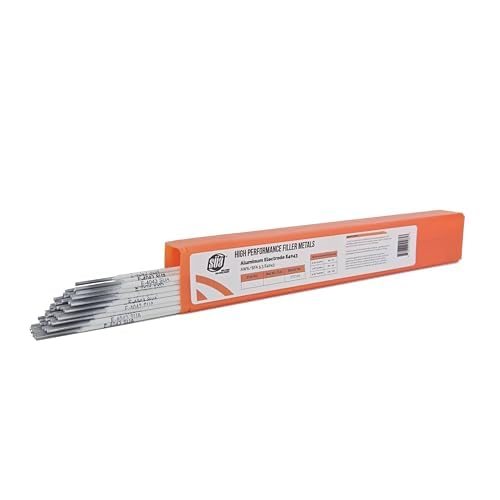
For structural repairs, selecting the correct welding rods is essential. Look for ER4047 and ER5356 types, as they are specifically designed for this metal. These rods provide strength and excellent bonding properties.
Adhesives
- Epoxy Adhesive: Opt for a high-strength epoxy that can withstand outdoor conditions. Brands like J-B Weld are reliable and create strong bonds.
- Polyurethane Glue: This type of adhesive is flexible once cured, making it ideal for items that may expand and contract with temperature changes.
Fillers
For small holes or cracks, use aluminum filler materials. Look for products specifically labeled for metal applications, such as aluminum soldering sticks or liquid fillers. These are often easy to apply and can blend well with the surrounding surface.
Protective Coatings
- Rust Inhibitors: Using a rust-inhibiting primer can provide extra protection against corrosion.
- Outdoor Sealants: Finish with a sealant that is UV resistant to protect the repair from sun damage.
By carefully selecting these materials, I ensure that my restoration work lasts through exposure to the elements, maintaining both function and aesthetics.
Fixing Cracks and Breaks in Aluminum Frames
I recommend identifying the size and location of the damage before proceeding. For minor cracks, a two-part epoxy glue is suitable. Clean the affected area thoroughly, then apply the epoxy. Follow the manufacturer’s instructions for mixing and curing time.
Steps for Minor Cracks
1. Clean the area with soap and water, then dry completely.
2. Mix the epoxy according to package directions.
3. Use a small brush or a wooden stick to apply the mixture into the crack, ensuring it fills completely.
4. Hold the pieces together for the time specified on the epoxy’s instructions, then let cure fully.
Repairing Larger Breaks
For more significant breaks, consider using a metal fusion process. This involves welding, which I find effective for restoring structural integrity.
1. Assess whether you have the necessary tools to weld or if you need to consult a professional.
2. Clean the broken edges with a wire brush or grinder.
3. Align the pieces precisely and use a welder to fuse them. Ensure that the weld penetrates adequately for strength.
4. Grind down the welds to create a smooth finish and prevent future corrosion.
Finally, I suggest applying a powder coating to the repaired area to match the original finish and to provide an extra layer of protection against the elements.
Restoring Finish with Paint and Coatings
To rejuvenate your metal outdoor seating, my first step is to select a high-quality spray paint specifically designed for metals. I prefer a product that features rust protection and UV resistance for long-lasting results. Ensure the finish matches the original color or scheme for a cohesive look.
Prior to applying any coating, I make sure the surface is thoroughly clean and dry. I usually use a fine-grit sandpaper to lightly scuff the area, creating a better surface for the paint adhesion. After sanding, I wipe the furniture down with a damp cloth to remove any dust particles.
Applying a primer is often beneficial. A metal primer aids in further preventing rust and improves the paint’s longevity. I typically opt for an aerosol primer for even coverage. Once the primer has dried, I apply the paint in thin, even layers, allowing adequate drying time between coats. This method helps reduce drips and ensures a smooth finish.
For enhanced durability, I sometimes finish with a clear topcoat designed for exterior use. This layer adds an extra shield against scratches and weather, prolonging the life of the new finish. Always follow the manufacturer’s instructions regarding drying times and reapplication to achieve the best outcome.
If damage occurs over time, I address it promptly to maintain the integrity of the coating. Regular inspections allow me to identify areas that may need touch-ups, ensuring that my outdoor pieces remain in excellent condition.
Reinforcing Weak Joints for Stability
Using a high-strength epoxy resin is an effective method for reinforcing joints. Begin by cleaning the joint area thoroughly to remove any debris or old adhesive. Once the surface is prepped, mix the epoxy according to the manufacturer’s instructions.
Apply a generous amount of the mixed epoxy into the joint, ensuring it seeps into any gaps. Use clamps to hold the joint tight while the epoxy cures. This step is crucial for maintaining the integrity of the connection.
For additional strength, I often incorporate aluminum brackets. These can be bolted or riveted to the joint area, providing extra support. Position the brackets so they distribute stress evenly across the joint. Ensure that any holes drilled for fasteners do not compromise structural integrity.
Once the epoxy has cured and hardware is secured, consider adding a protective sealant over the joint. This not only enhances stability but also guards against moisture which could lead to future deterioration.
Regular inspection of these reinforced areas is recommended. Look for signs of wear or any loosening, addressing issues immediately to extend the lifespan of the structure.
Maintaining Repaired Items for Longevity
Regular inspections help catch issues before they escalate. I make a habit of checking the integrity of joints and surfaces at least twice a year.
Cleaning residual dirt and debris is crucial for preserving quality. I use a mild soap solution with warm water, applying it with a soft brush or cloth to avoid scratching. Rinsing with clear water prevents soap residue buildup.
Applying a protective coating extends the life of the finishes. I recommend using high-quality outdoor sealants specifically suited for metal surfaces to guard against corrosion and UV damage.
To prevent scratches or dents, I always place protective pads under any items placed on surfaces. This simple measure minimizes potential damage during everyday use.
If further damage occurs, I address it immediately. Quick action prevents more extensive and costly repairs in the long run. Keeping the necessary repair materials handy ensures I’m always prepared.
Proper storage during adverse weather conditions also plays a role. I use covers or store them indoors to shield from harsh elements like rain or snow, which can cause long-term degradation.
Finally, avoiding high-pressure washing helps preserve finishes. I prefer gentle cleaning methods to maintain both appearance and integrity of the materials.
FAQ:
What tools do I need to repair cast aluminum patio furniture?
To repair cast aluminum patio furniture, you typically need a few essential tools: a wire brush or sandpaper to clean the surface, a drill and bits for any necessary hole work, a rotary tool or Dremel for more precise grinding and shaping, and clamps to hold pieces together while you work. Additionally, you might need epoxy or aluminum welding supplies depending on the nature of the repair, as well as paint or sealant to finish the job after repairs.
Can I fix a crack in my cast aluminum furniture myself?
Yes, you can repair cracks in cast aluminum furniture on your own. First, clean the area around the crack thoroughly to remove any dirt or debris. Then, depending on the size and location of the crack, you can use an aluminum epoxy to fill in the gap. Follow the manufacturer’s instructions for the epoxy, ensuring it cures properly. For larger cracks, welding might be necessary, but this requires more specialized skills and equipment. Once the crack is filled and cured, you may want to sand the area smooth and repaint it to match the rest of the furniture.
What is the best way to paint cast aluminum after repairs?
To paint cast aluminum after repairs, start by cleaning the furniture thoroughly with soap and water to remove any grease or residue. Once it is completely dry, lightly sand the surface to help the paint adhere better. Apply a primer designed for metal surfaces to ensure better bonding of the paint. Finally, choose a high-quality exterior paint suitable for metal, preferably in a spray format for even coverage. Apply multiple thin coats, allowing sufficient drying time between each one for a durable finish.
How can I prevent my cast aluminum furniture from rusting?
To prevent rusting on cast aluminum furniture, it is important to keep it clean and dry. Regularly wash the furniture with soap and water, removing dirt and moisture that could lead to corrosion. Applying a protective sealant or wax designed for metal surfaces can create a barrier against moisture and contaminants. Additionally, storing the furniture indoors during harsh weather or using protective covers can significantly extend its life and reduce the chances of rust or deterioration.
Are there specialized products for repairing cast aluminum furniture?
Yes, there are specialized products available for repairing cast aluminum furniture. Look for epoxy adhesives specifically formulated for metal bonding, which can fill gaps and attach broken pieces securely. Aluminum welding rods are also available for those who prefer a more permanent repair method. Additionally, there are specific paints designed for aluminum that can help to restore the look of your furniture post-repair. Checking with a hardware store or online retailers can provide various options tailored for aluminum repairs.
What are some common issues with cast aluminum patio furniture that might require repair?
Common problems with cast aluminum patio furniture include rust spots, cracks, and loose connections. Rust can develop if the protective coating is damaged, allowing moisture to reach the metal. Cracks typically occur due to stress or impact, while loose connections can result from wear over time. Identifying these issues early can help prevent further damage and prolong the life of the furniture.


