
 Caleb Turner

Begin with a gentle approach using a soft cloth soaked in warm soapy water. This simple technique often softens the residue, making it easier to scrub away. Tease the dried remnants carefully without scratching the surface, maintaining the integrity of the wood.
If the first step doesn’t yield results, a mixture of vinegar and water can be beneficial. Combine equal parts of these two liquids, dampen a cloth, and apply it to the affected area. Allow it to sit for a few minutes before gently rubbing the area. This natural solution helps to break down stubborn remnants without harsh chemicals.


For stubborn spots, consider using a small amount of mineral oil or baby oil. Apply a few drops directly onto the residue and let it penetrate for a few minutes. Wipe it away with a clean cloth; this method is particularly effective for delicate finishes.
Finally, if the residue persists, a store-bought adhesive remover designed for wood surfaces may be necessary. Ensure it’s safe for the type of finish before applying. Follow the manufacturer’s instructions carefully, testing in an inconspicuous area to avoid damage. This allows for a thorough cleanup while preserving the beauty of your furniture.
Efficient Techniques for Adhesive Removal
I recommend using rubbing alcohol or isopropyl alcohol to tackle that sticky residue. Apply a small amount onto a soft cloth and gently rub the affected area. This should help dissolve the bonding agent without damaging the surface beneath.
Utilizing Oils for Effective Cleaning
Another option that has proven useful is the application of natural oils, such as olive or coconut oil. These oils can break down the residue. Just apply a few drops to the sticky spot, let it sit for a few minutes, then wipe it away using a microfiber cloth. Ensure to clean the area with soap and water afterward to eliminate any oily traces.
Commercial Solutions
If homemade methods don’t yield results, consider using a commercial adhesive remover. Look for products that are specifically labeled as safe for delicate surfaces. Apply following the manufacturer’s instructions for optimal results.
Understanding Different Types of Adhesive Residues
Permanent adhesive is strong and challenging to eliminate, often resulting in a sticky surface that requires specialized techniques. I recommend using a solvent-based remover for this type; it effectively breaks down the bond without damaging the underlying material.
Removable adhesive is milder and generally easier to handle. A damp cloth with warm soapy water often lifts this type, making cleanup straightforward. For stubborn areas, a gentle scraping tool can aid in loosening the residue.
Double-sided adhesive is notorious for leaving behind stubborn remnants. Scraping at an angle can help detach the unwanted material, followed by using a dedicated adhesive remover to ensure complete cleanliness.
Masking adhesive is less aggressive, typically coming off with minimal effort. A combination of warm water and vinegar usually suffices, allowing for simple elimination without risk to the surface underneath.
For areas exposed to heat or extreme temperature fluctuations, residues may bond more tightly. In these cases, applying heat through a hairdryer can soften the adhesive, making it easier to wipe away.
Always test any remover in an inconspicuous spot first to ensure compatibility with the surface. This cautious approach allows me to tailor my cleaning method based on the type of adhesive encountered, ensuring optimal results without unwarranted damage.
Gathering Necessary Supplies for Adhesive Removal
For successful adhesion elimination, I gather specific items beforehand. Here’s what I typically prepare:
- Plastic Scraper: A plastic tool prevents scratching the surface while helping to lift the residue.
- Microfiber Cloths: Soft cloths to wipe off any solution and to clean the area afterward.
- Rubbing Alcohol or Vinegar: Both are effective solvents. I often choose based on availability and preference.
- Warm Water and Soap: A mild mix aids in loosening stubborn spots without causing damage.
- Cooking Oil or Peanut Butter: Surprisingly useful for breaking down sticky remnants.
- Q-Tips: Ideal for detailed work in small areas where larger tools might be cumbersome.
- Old Newspaper or Paper Towels: Handy for cleanup after the process is complete.
I ensure to have all these supplies ready before tackling any residue issues, making the process smoother and more effective.
Performing a Patch Test on Wood Surface
Conduct a patch test before applying any solvent to your crafted piece. Select an inconspicuous area to avoid noticeable damage. Use a cotton swab or soft cloth to apply a small amount of your chosen remover.
Allow it to sit for a few minutes, then gently wipe it away with a clean, dry cloth. Inspect the surface for any discoloration, damage, or adverse effects. If the finish appears unaffected, proceed with treating the larger area.
In case of any adverse reactions, consider using a different product or method. Always prioritize the integrity of the surface to ensure long-term preservation.
Applying Heat to Loosen Adhesive
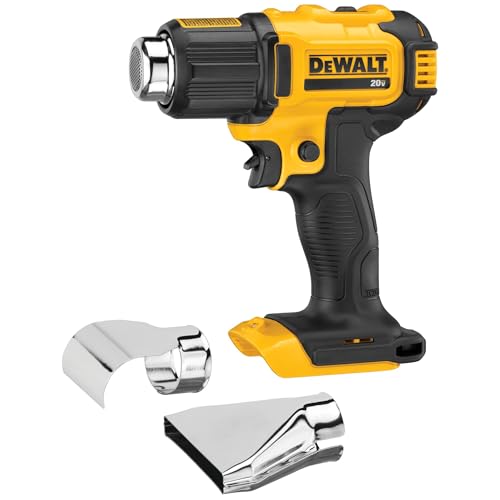
I frequently use a heat source for effective detachment of residue. A hairdryer or heat gun works perfectly for this purpose. Set the device on a low setting to avoid overheating the surface. Hold it approximately 3 inches away and move it back and forth over the affected area for about 30 seconds.
Technique and Precautions
After heating, the residue typically softens, making it easier to scrape off gently with a plastic scraper or a credit card. Be cautious not to exert too much pressure, as excessive force can damage the finish of the surface. Always keep an eye on the temperature to prevent any scorching or warping of the material.
Post-Heating Cleanup
Once the adhesive has been lifted, I recommend cleaning the area with a damp cloth to remove any leftover particles. This ensures the surface remains in good condition and ready for use. If needed, a mild cleaning solution can be applied to further restore the appearance.
Using Rubbing Alcohol for Adhesive Removal
I apply rubbing alcohol directly onto a clean cloth, ensuring it’s damp but not dripping. Gently press the cloth onto the sticky residue, allowing it to sit for a minute to soften the bond. This approach helps to break down the adhesive without harming the underlying surface.
Circular motions work best to lift the residue away. I use a plastic scraper or my fingernail to gently scrape off any loosened bits. If the adhesive remains, I repeat the process as necessary.
After the application, it’s important to clean the area with a mild soap solution and a damp cloth to eliminate any remaining alcohol and residue. This step not only restores cleanliness but also prepares the surface for polishing or finishing if needed. Always ensure proper ventilation when using alcohol, as its fumes can be strong.
Using Lemon Juice for Adhesive Removal
I recommend utilizing lemon juice as an effective solution for tackling sticky residue. The acidity in lemon helps break down the adhesive properties without causing damage to the surface. Begin by squeezing fresh lemon juice into a small bowl.
Application Steps
1. Moisten a clean cloth or cotton ball with the lemon juice, ensuring it is damp but not dripping.
2. Apply the soaked cloth directly onto the affected area and let it sit for about 5-10 minutes. This allows the acid to penetrate and loosen the adhesive.
3. Gently rub the area with the cloth, applying light pressure to lift the residue. If necessary, reapply lemon juice for stubborn spots.
4. Wipe the area with a damp cloth to remove any remaining juice and adhesive remnants.
5. Finish by drying the surface with a clean, dry cloth to prevent moisture damage.
Benefits of Using Lemon Juice
| Benefit | Description |
|---|---|
| Natural Cleaner | Free of harsh chemicals, making it safe for various surfaces. |
| Pleasant Aroma | Leaves a fresh, citrus scent after use. |
| Accessible | Commonly found in kitchens, easy to obtain. |
This method is straightforward and uses items readily available at home, making it a practical choice for tackling stubborn sticky spots effectively.
Cleaning the Wood Surface After Adhesive Removal
To restore the smooth finish of the surface following adhesive extraction, I suggest using a gentle cleaner specifically designed for wood. Apply it with a soft cloth to avoid scratches. Products containing natural oils are preferable as they nourish the wood.
Here are the steps I follow for a thorough cleaning:
-
Choose a mild wood cleaner or create a solution with warm water and a few drops of dish soap.
-
Dampen a soft cloth with the cleaner, ensuring it’s not soaking wet to prevent moisture damage.
-
Wipe the affected area gently in the direction of the wood grain, taking care not to apply excessive pressure.
-
Rinse the cloth with clean water, wring it out, and wipe the area again to remove any soapy residue.
-
Dry the surface using a clean, dry cloth to prevent water spots.
Once clean, I often apply a wood polish or conditioner to restore shine and provide a protective layer. This helps maintain the integrity of the surface and enhances its appearance.
If there are stubborn spots remaining after initial cleaning, a gentle scrubbing with a fine-grade steel wool can be effective. Be cautious to avoid over-scrubbing, which may lead to damage.
Always inspect the surface after the cleaning process to ensure full removal of remnants and to identify any needed further actions for care and maintenance.
Repairing Damage Resulting from Tape Adhesive
For surface scratches or discoloration caused by adhesive remnants, a wood repair marker or crayon that matches your furniture can effectively conceal mild imperfections. Apply the marker gently, blending it into the surrounding area for a seamless look.
In instances of deeper scratches, consider using wood filler. Start by cleaning the area thoroughly, then apply the filler using a putty knife, leveling it with the surrounding surface. Once it dries, sand lightly and finish with a matching stain or furniture polish to restore appearance.
If the finish is compromised, re-coating may be necessary. Clean the affected section and ensure it’s dry. Apply a thin coat of polyurethane or your preferred finish using a soft brush. Allow it to cure fully before using the item again.
For more extensive damage or deep gouges, consult a professional for repair. They can ensure that the treatment aligns with the original aesthetic of the piece.
| Type of Damage | Recommended Solution |
|---|---|
| Surface scratches | Use a wood repair marker or crayon |
| Deeper scratches | Apply wood filler, sand, and stain |
| Compromised finish | Re-coat with polyurethane or finish |
| Extensive damage | Consult a professional |
Preventing Future Adhesive Residue on Wooden Surfaces
Applying a protective finish, such as polyurethane or varnish, to the surface creates a barrier that can repel adhesive remnants. This helps in keeping the grain intact while ensuring easier cleaning.
Whenever possible, use alternatives like reusable adhesive tapes or gentle adhesive products. These options generally do not create stubborn residues.
Regularly dusting and cleaning furniture removes dirt and grime that can bond with adhesives, making future residue cleanup more manageable.
Consider the application of a thin layer of coconut oil or mineral oil on surfaces. This can help to create a slick layer that may prevent adhesives from adhering too strongly.
Finally, store items that require tape in a manner that minimizes exposure to contact with delicate surfaces. Keeping these objects in designated places reduces the chances of adhesive residue transferring.


