Caleb Turner
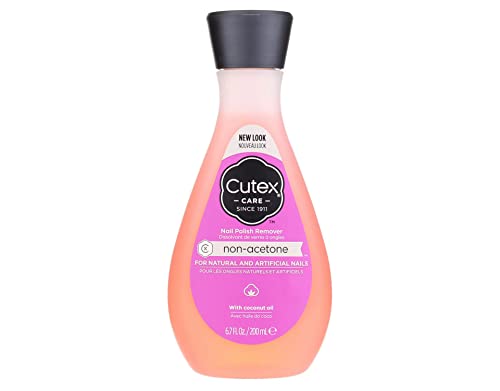
Begin the task by applying acetone or nail polish remover to a clean cloth. Gently dab the affected area, careful to avoid saturating the surface. The solvent will begin dissolving the tough bond, allowing for easier removal.
Employ a plastic scraper or an old credit card to delicately lift the softened adhesive. Avoid metal tools, as they may scratch or damage the surface of your piece. Keep working in this manner until most of the stubborn substance is gone.
For any remaining traces, a mixture of warm water and dish soap can be helpful. Moisten a cloth with this solution and wipe down the area to clean it further. Rinse with a damp cloth afterward to prevent any residue from soap remaining.
Finally, ensure the area dries completely to maintain the original finish of your item. If necessary, consider applying a suitable polish or wax to restore luster and protection after the process.


Methods to Eliminate Adhesive Residue from Wooden Surfaces
I recommend using acetone or nail polish remover for stubborn adhesive spots. Dampen a soft cloth with the solvent and gently rub the affected area until the bond begins to break down. Always test a small, inconspicuous area first to ensure that the finish isn’t damaged.
Alternative Solutions for Delicate Finishes
If the surface is particularly sensitive, a mixture of warm, soapy water can be effective. Soak a cloth in the soapy solution and lay it over the hardened glue for several minutes. This may soften the adhesive, allowing for easier scraping with a plastic scraper. Avoid metal tools to prevent scratches.
Utilizing Olive Oil for Gentle Digestion
For naturally crafting a less abrasive approach, apply olive oil to the residue. Let it sit for about 15 minutes, then carefully scrape away the loosened remnants with a plastic utensil. This method not only helps in breaking the bond but also nourishes the wood.
Identify the Type of Furniture Material
To effectively address adhesive issues, I first determine the material composition of my item. This crucial step influences the choice of methods and substances for tackling residue.
Wood
Solid wood is often more forgiving. I gently test a small, inconspicuous area with mild solvents, like rubbing alcohol or acetone. If damage appears, I switch to water and mild soap. For varnished or painted surfaces, I avoid harsh chemicals that might strip the finish.
Upholstery
For fabric or leather, I assess the fabric type. Natural fibers like cotton or linen handle less aggressive techniques, while synthetic materials might endure stronger solutions. I dab a cloth with soapy water and blot the adhesive region, avoiding scrubbing to prevent damage.
Glass and Metal
When it comes to glass or metal, I rely on solvents such as acetone or nail polish remover. A soft cloth or plastic scraper can help lift off residues without scratching the surface. Lastly, I make sure to rinse thoroughly to eliminate any solvent traces.
Understanding the type of material helps avoid unnecessary damage and ensures effective cleaning techniques.
Assess the Extent of Adhesive Damage
I first look closely at the affected area to determine the scale of the bond issue. Evaluating the size and distribution of the adhesive helps inform the approach for addressing it effectively.
Visual Inspection
During the visual inspection, I take note of the following:
- Size of the adhesive spot.
- Color and sheen in comparison to surrounding surfaces.
- Presence of any discoloration or damage to the finish.
Material Considerations
Next, I consider the type of material and how it may react. I assess whether it’s wood, fabric, or a syntactic surface, as each has unique properties that can affect how the bond is dealt with:
| Material Type | Possible Damage |
|---|---|
| Wood | Surface scratch, finish removal. |
| Fabric | Tearing, stain alteration, texture change. |
| Plastic | Discoloration, potential melting. |
After assessing the situation, I am better equipped to choose the most appropriate method for addressing the adhesive issue without causing further harm.
Gather Recommended Removal Tools and Supplies
To tackle adhesive issues effectively, I first gather a few key items. A plastic scraper or credit card is vital for gently lifting off dried residue without causing damage. Cotton swabs or soft cloths help apply solvent precisely and minimize mess.
Acetone or nail polish remover serves as a powerful solvent for breaking down the adhesive. Alternatively, rubbing alcohol can be effective for certain surfaces. I keep a bottle of soapy water handy for rinsing and cleaning post-application.
Protective gloves are essential, as they shield my hands while working with chemicals. I also consider a lint-free cloth, which is perfect for buffing and polishing the area once the adhesive is gone.
A small container for mixing solutions can keep everything organized. For stubborn spots, a soft-bristle brush can assist in scrubbing without scratching surfaces. Having all these tools at my fingertips ensures a more efficient and less frustrating process.
Test Solvents on a Hidden Area First
Before applying any cleaning agent, I always conduct a small test on an inconspicuous part of the item. This step ensures that the solvent won’t damage the surface or finish. Here’s how I approach it:
- Select a hidden spot, like the underside of a leg or back panel.
- Apply a small amount of the chosen solvent using a cotton swab or cloth.
- Allow it to sit for a few minutes to observe any changes.
- Check for discoloration, swelling, or other adverse reactions.
If the hidden area shows no signs of damage, it’s likely safe to proceed with treatment on the visible areas. If I notice any negative effects, I switch to a milder solvent or alternative method.
Recommended Solvents
- Acetone (use with caution on certain finishes)
- Isopropyl alcohol
- Nail polish remover (non-acetone version)
Testing is a crucial part of the process to prevent further damage and ensure the integrity of your cherished piece.
Apply Acetone or Alternative Solutions Carefully
Before using any solvent, ensure the area is well-ventilated. I recommend applying a small amount of acetone on a cotton ball or cloth–avoid saturating it to prevent excess liquid from spreading.
When working with acetone, dab it on the bonded surface without scrubbing immediately. After a few seconds, check if the adhesive starts to soften. If successful, gently scrape with a plastic scraper to avoid damage.
Alternatives to Acetone
If acetone isn’t suitable, try using rubbing alcohol or vinegar. Similar to acetone, apply these substances with a cloth, dabbing rather than rubbing. Test these alternatives on an inconspicuous section first to prevent any unwanted reactions with the material.
Cleanup After Application
Once the adhesive is lifted, clean the area with soap and water to remove any residue from the solvents. This step helps restore the original condition of the surface and eliminates any lingering odors.
Utilize Scraping Methods for Stubborn Residue
I recommend using a plastic scraper or credit card to gently lift away adhesive remains. Hold the scraper at a low angle to avoid damaging the surface beneath. Begin at the edges of the residue, working inward. Apply minimal pressure to prevent scratches or indentations.
Technique for Harder Surfaces
For robust materials, such as wood or metal, a metal scraper can be employed with caution. Ensure the edge is smooth to reduce risk of scratching. Move in small motions to gradually dislodge the bonded substance. It may require several passes, so patience is key.
Soft Textiles and Vulnerable Surfaces
If dealing with fabric or delicate finishes, opt for a soft cloth or sponge to scrub gently. Dampen the cloth with a suitable solvent before scraping, if applicable. This reduces friction and helps lift residues without causing harm. Rinse the area thoroughly after treatment to remove any solvent or particles left behind.
Clean and Restore the Furniture Surface
After addressing adhesive residues, it’s vital to rejuvenate the surface. For wood, apply a suitable furniture polish or oil to replenish moisture. This restores luster and protects against future damage.
For Painted Surfaces
Use a mild soap solution to clean the area delicately after removing unwanted substances. A soft cloth helps avoid scratches. Follow with a touch-up paint if the finish has been compromised.
For Upholstered Items
If the fabric is affected, check the manufacturer’s care instructions. Most can tolerate a gentle cleaning solution, but always test in a discreet area first. Blot, don’t rub, to prevent further setting any remaining marks.
Final inspections are crucial. Ensure all patched areas blend with the surrounding surface. Taking extra care in these steps will greatly enhance the longevity and appearance of your cherished pieces.
Prevent Future Superglue Accidents
To mitigate the risks of adhesive mishaps in my home, I implement several practical strategies:
- Designate a specific zone for crafting or repairs away from valuable surfaces.
- Utilize protective covers like drop cloths or newspapers on workspaces to safeguard against spills.
- Keep a pair of scissors and a clean damp cloth nearby to quickly manage potential drips.
- Store adhesives in secure containers, away from children’s reach, to reduce the likelihood of unintended access.
- Label products clearly and provide instructions on safe usage for family members.
I also regularly review and refresh my knowledge on the types of adhesives available, ensuring I choose the right one for each project. This proactive stance helps in minimizing the risks associated with strong adhesives and maintains the integrity of my furnishings.