
 Caleb Turner

To tackle unwanted marks on your surfaces, I recommend mixing equal parts of baking soda and water to create a gentle paste. Apply this mixture to the affected areas using a soft cloth, rubbing gently in a circular motion. This method is effective for lightening discolorations without causing damage.
If the paste method doesn’t achieve the desired result, try using a mixture of white vinegar and water in a 1:1 ratio. Spray it directly on the surface, let it sit for a few minutes, then wipe with a clean cloth. Vinegar’s natural acidity helps lift grime while being safe for usage on most finishes.
For tougher residues, a dab of dish soap mixed with warm water can work wonders. Use a sponge to gently scrub the area, ensuring you do not saturate the surface. Always dry thoroughly afterward to prevent moisture from seeping into seams or edges.


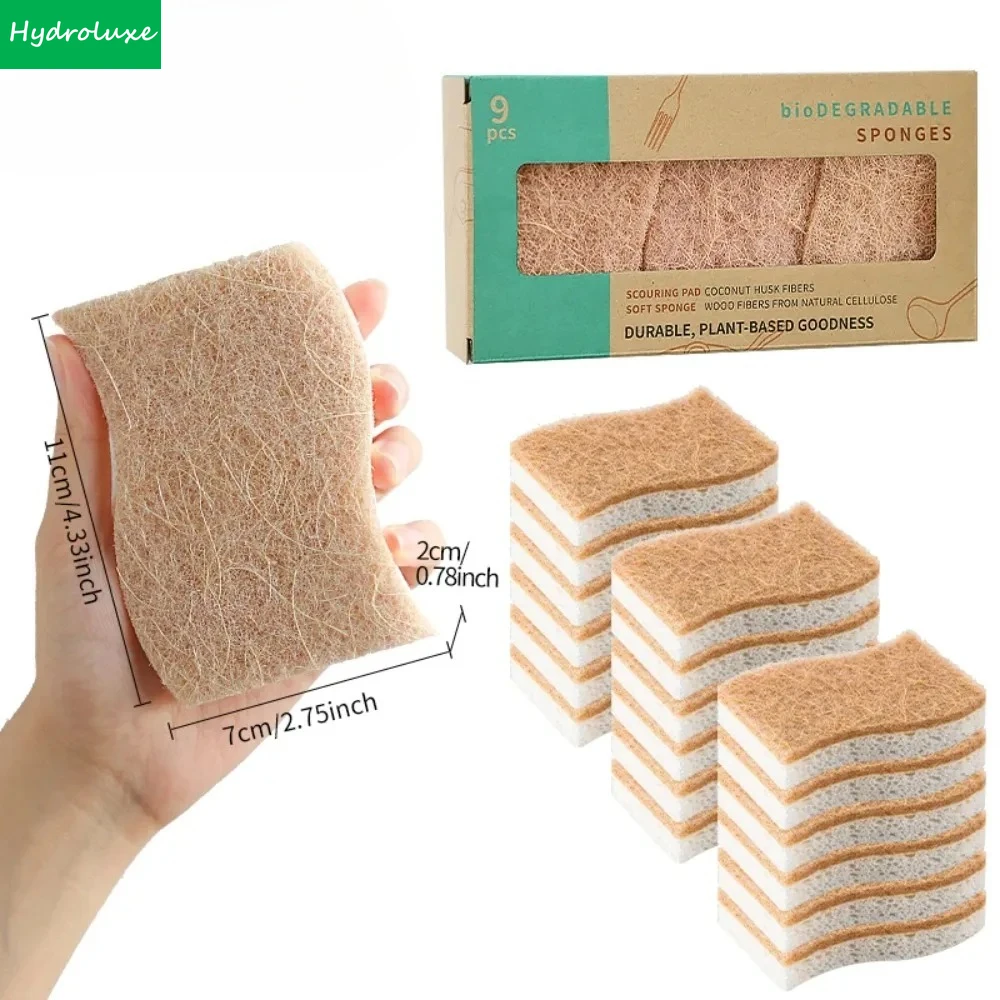
Finish by polishing the area with a microfiber cloth to restore shine. Regular maintenance with mild cleaners will help sustain the pristine look of your surfaces while preventing buildup over time.
Removing Marks from Bright Surfaces
Combine equal parts vinegar and water in a spray bottle for a straightforward solution. Lightly spray the mixture on the affected area, then wipe gently with a microfiber cloth.
For tougher marks, make a paste using baking soda and water. Apply it directly to the blemish and let it sit for about 10 minutes. Gently scrub with a soft cloth using circular motions to lift the residue.
If the surface shows persistent discoloration, mix a tablespoon of dish soap with warm water. Dampen a cloth with this soapy solution and carefully rub the affected area until the mark fades.
Always conduct a patch test on an inconspicuous section to ensure that the method does not affect the surface finish.
Keep the area dry after cleaning. Moisture can lead to further issues, so ensure you dry the surface with a clean, dry cloth afterward.
For ink or dye marks, use rubbing alcohol on a cotton ball. Dab gently on the spot without saturating the area, then wipe with a damp cloth.
Regular maintenance with a gentle cleanser can help prevent build-up and discoloration.
Identify Common Types of Marks on Laminate
In tackling issues on this material, recognizing the frequent types of marks is key. Here’s a breakdown of the most common culprits:
- Food Residue: Spills from sauces, oils, or sugary items can leave visible smudges.
- Ink and Pen Marks: Ink from pens or markers is notorious for creating lasting impressions.
- Water Rings: Containers or cups can leave moisture marks, especially if not cleaned immediately.
- Dust and Dirt Accumulation: Regular use often leads to a buildup of dirt that can tarnish the surface.
- Scuff Marks: Objects dragged across the surface might create unwanted scratches or fades.
- Grease Smudges: Cooking in proximity can lead to oily residues that are challenging to eradicate.
- Paint or Adhesive Residue: Makeshift repairs or crafts might leave unwanted remnants behind.
Understanding these mark types allows for a more targeted approach in addressing each specific issue as it arises.
Gather Necessary Cleaning Supplies
Begin with a microfiber cloth, which is gentle yet effective for absorbing moisture and lifting grime. A soft-bristled brush can help dislodge particles from textured surfaces without scratching. Look for a pH-balanced cleaner designed for synthetic materials; ensure it’s safe for surfaces similar to the one you’re treating.
Include a spray bottle for easy application of the cleaning solution. Baking soda serves as a gentle abrasive when mixed with a small amount of water, forming a paste that can tackle tougher spots. White vinegar acts as an excellent natural disinfectant and can aid in reducing residue buildup.
Here’s a summarized list of supplies:
| Item | Purpose |
|---|---|
| Microfiber cloth | Absorbs moisture, lifts dirt |
| Soft-bristled brush | Dislodges particles gently |
| pH-balanced cleaner | Effectively cleans without damage |
| Spray bottle | Facilitates application |
| Baking soda | Creates paste for stubborn spots |
| White vinegar | Natural disinfectant, reduces residue |
With these items at hand, I’m prepared to tackle any issue that may arise on similar surfaces.
Test Cleaning Solutions on a Small Area
Before applying any cleaning agents on larger surfaces, I always test them on a discreet area. I choose an inconspicuous spot that won’t be easily visible. The aim is to observe any potential reaction or damage without risking the whole piece.
Choosing the Right Spot
Ideal locations for testing are usually the back or underside of a drawer, or the bottom of a leg where it won’t affect the furniture’s appearance. I apply a small amount of the cleaner using a soft cloth and wait several minutes to gauge the result.
Observing Results
After testing, I carefully check for discoloration, warping, or any texture changes. If the area remains unchanged, I proceed with confidence. If issues arise, I reconsider my cleaning method or product choice to ensure the integrity of my items.
Using Mild Soaps for General Spot Treatment
For routine cleaning, I rely on a diluted solution of mild liquid soap mixed with water. This blend effectively tackles everyday residues. I recommend using a soft cloth or sponge. After moistening it with the soap solution, I gently wipe the affected area. It’s essential to follow up with a damp, clean cloth to eliminate any soap residue, as lingering soap can attract more dirt.
Types of Soaps to Consider
I prefer natural, biodegradable soaps that are free from harsh chemicals. For instance, castile soap is a popular choice, providing a gentle yet efficient cleaning action. Always check the label for any potential allergens and ensure the product is suitable for delicate surfaces.
Cleaning Process
First, mix a few drops of soap in a bowl of warm water. Dip the cloth in the solution and wring it out so it remains damp but not dripping. I gently rub the area in circular motions. Starting from the edges towards the center helps to prevent spreading any residue. Afterward, a rinse with plain water on another clean cloth ensures no soap residue remains, avoiding streaks or dullness on the surface.
Applying Vinegar and Water for Tough Stains
I mix equal parts of white vinegar and water in a spray bottle. This solution works wonders on difficult spots, especially those caused by grease or food residues. After preparing the mixture, I spray it directly onto the affected area. I let it sit for around 5-10 minutes to penetrate the grime.
Once the time is up, I take a soft cloth or sponge and wipe the surface gently. It’s crucial to avoid abrasive materials that could scratch the finish. If the mark persists, I repeat the spraying process, allowing the vinegar solution to dwell a little longer before wiping it off.
After addressing the area, I ensure to wipe away any leftover moisture with a dry cloth. Keeping the surface dry prevents future unattractive marks and maintains the furniture’s appearance. If I notice any lingering odor from the vinegar, it dissipates quickly, leaving behind a clean surface.
Removing Ink Stains with Rubbing Alcohol
I recommend using rubbing alcohol to tackle ink marks effectively. Start by dampening a clean cloth with the alcohol; ensure it’s not soaking wet to prevent excess moisture damage. Gently blot the ink, working from the outer edge towards the center to avoid spreading. Avoid scrubbing, as that might create more damage to the surface.
After the blotting, take another cloth slightly dampened with water to wipe the area and remove any remaining alcohol. Make sure to dry the spot with a soft towel. If any residue persists, repeat the process as needed, always testing on a less visible area first to check for any adverse reactions with the finish.
For persistent marks, applying a small amount of alcohol directly onto the cloth works well. Allow the alcohol to sit for a minute to penetrate the ink before blotting again. This method is generally safe for most finishes but stay vigilant and monitor the surface for any unusual discoloration or damage.
Dealing with Food or Juice Stains Effectively
For food or juice incidents, I recommend acting swiftly. Blot the area with a paper towel to absorb excess liquid without rubbing the surface, as this can push the residue deeper.
Mix a solution of mild dish soap and warm water in a bowl. Dip a soft cloth into the mixture, wring it out, and gently clean the affected area. Ensure the cloth is damp, not soaking, to avoid water damage.
After cleaning, rinse the cloth with plain water and go over the area again to remove any soap residue. Dry the surface with a clean, dry cloth.
For stubborn messes, I recommend applying a diluted solution of white vinegar mixed with water. Use a 1:1 ratio and follow the same blotting technique. Vinegar’s acidity can be effective against various types of food spills.
Another option involves using baking soda. Make a paste with water and gently apply it to the stain. Let it sit for a few minutes before wiping it off with a damp cloth. This approach is particularly useful for sticky residues.
Always finish by drying the area thoroughly to prevent moisture-related issues.
Preventing Future Marks on Laminate Surfaces
To avoid unwanted discolorations, I use coasters and placemats regularly, especially under drinks and food. This simple practice creates a barrier against potential damage caused by moisture and acidic substances.
Cleaning spills immediately is crucial. I keep a soft cloth nearby to blot any liquid quickly, ensuring it doesn’t penetrate the surface. Angling the cloth helps prevent spreading.
Regular Maintenance
Applying a protective sealant specifically designed for laminate helps provide an additional layer of defense. I reapply it every six months to maintain efficacy. Keeping the area free from dust and debris with a gentle wipe ensures I don’t contribute to scratch marks.
Strategic Placement
Positioning items wisely can also reduce risks. I avoid placing sharp objects directly on surfaces and ensure that high-traffic areas have minimal décor to limit wear. Utilizing soft pads under pointy decorations enhances protection.
FAQ:
What are some common types of stains on white laminate furniture?
Common stains on white laminate furniture include ink marks, food spills, water rings, grease stains, and scratches that may trap dirt. Each type of stain requires a specific cleaning method to effectively remove it without damaging the laminate surface.
How can I remove ink stains from white laminate furniture?
To remove ink stains from white laminate, you can use rubbing alcohol or a mixture of one part vinegar and two parts water. Apply the solution to a soft cloth and gently blot the stain, making sure not to rub, as this could spread the ink. After treatment, wipe the area with a clean damp cloth to remove any residue.
Are there any homemade solutions for cleaning stains on laminate furniture?
Yes, there are several homemade cleaning solutions that can be effective for laminate furniture. For general cleaning, a mixture of equal parts water and vinegar can be sprayed onto the surface and wiped clean with a microfiber cloth. For tougher stains, a paste made from baking soda and water can be applied, left for a few minutes, and then wiped clean.
Can I use bleach on white laminate furniture for stain removal?
Using bleach on white laminate furniture is not recommended. While bleach can remove some stains, it may also damage the laminate surface or cause discoloration. It’s safer to use a gentle cleaner designed for laminate surfaces or a solution of vinegar and water for effective stain removal without risk of harm.
What should I do if I can’t remove a tough stain from my laminate furniture?
If a tough stain remains after trying various cleaning solutions, you might consider using a laminate repair product specifically designed for this type of furniture. These products can help mask or blend the stain with the surrounding area. Alternatively, if the stain is exceptionally stubborn, consulting a professional cleaner may provide a more thorough solution to restore the appearance of your furniture.


