
 Caleb Turner
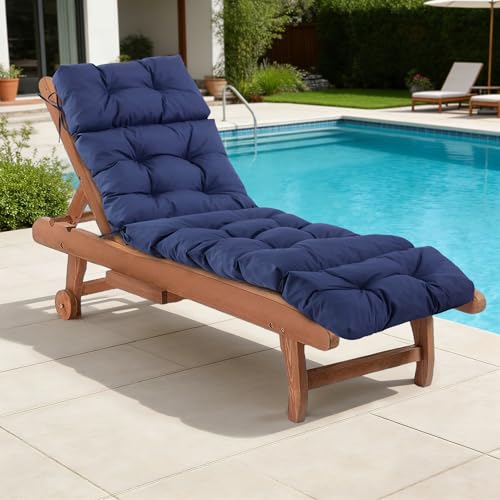
Use a mixture of 1 cup of white vinegar, 1 cup of water, and a few drops of dish soap for a basic but effective cleaning solution. This blend can effectively tackle dirt without harming the fabric.
Before applying the solution, always test a small, inconspicuous area first to ensure it doesn’t alter the color or texture. Spray the mixture onto the affected areas and gently scrub with a soft brush or cloth. Allow it to sit for about 10-15 minutes for deeper penetration into the fibers.
Once the time is up, rinse thoroughly with clean water to remove any soap residue. For stubborn marks, a paste made from baking soda and water can work wonders. Apply the paste, let it dry, and then vacuum it off to restore the cushion’s look.


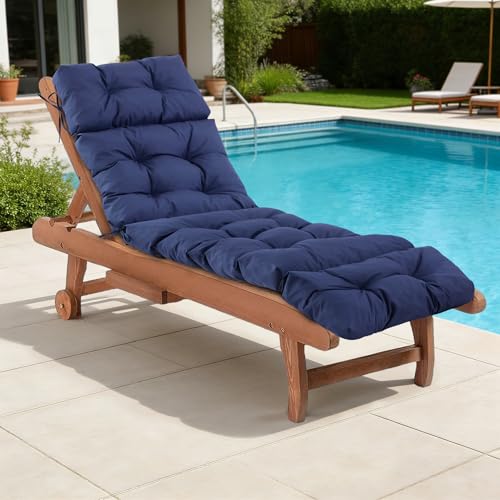
For natural freshness, consider sprinkling baking soda on the fabric, letting it sit for several hours, and then vacuuming it away. This method not only removes lingering odors but also rejuvenates the appearance of the upholstery.
Guidelines for Tackling Marks on Patio Seat Covers
Begin with a mixture of mild dish soap and warm water. Use a soft cloth or sponge to apply it directly onto the affected area. Blot rather than scrub to prevent damage.
Natural Alternatives
- White vinegar can be an effective solution. Mix equal parts vinegar and water, then apply with a cloth.
- Baking soda acts as a gentle abrasive. Create a paste with water, apply to the spot, and let it sit for about 30 minutes before rinsing.
Preparation and Care
- Test any cleaning solution on a hidden area first to check for colorfastness.
- Rinse thoroughly with clean water after treatment to avoid residue build-up.
- Consider using a fabric protector to aid in resistance against future blemishes.
Ensure the seating items are fully dry before using them again to prevent mildew growth. Keep in mind the specific material of the covers, as this can influence the cleaning method.
Identifying Common Types of Stains
First, recognize that various sources lead to blemishes. Each type requires a specific approach to treat effectively. Here’s a quick guide to identify these common offenders.
| Type of Mark | Source | Appearance |
|---|---|---|
| Food Grease | Spills from meals or snacks | Dark, shiny spots |
| Organic Matter | Grass, leaves, or flower petals | Green or brown discoloration |
| Water Marks | Rain or sprinkler overspray | White, chalky residue |
| Ink | Accidental pen or marker contact | Dark, often permanent blotches |
| Mold and Mildew | Moisture and humidity | Black or gray patches |
| Suntan Lotion | Direct contact while lounging | Yellowish or oily marks |
Identifying these sources helps devise appropriate methods for cleaning. Assessing the situation will ensure strong treatment strategies, tailored specifically to the type of blemish present.
Choosing the Right Cleaning Solution for Each Stain
Selecting an appropriate cleaning agent depends on the type of blemish encountered. For a quick reference, consider the following options:
- Grease: Utilize a mixture of dish soap and warm water. Apply directly to the affected spot, let it sit for 15 minutes, and rinse thoroughly.
- Food and Beverage: Create a paste using baking soda and water. Gently scrub with a soft brush, then rinse with clean water.
- Rust: Use a solution of equal parts vinegar and water. Dab onto the area, let it sit for 30 minutes, and scrub lightly. Rinse afterward.
- Ink: Apply rubbing alcohol to a cloth and blot the ink spot. Work from the outside towards the center, then rinse the area.
- Mold and Mildew: Combine equal parts water and white vinegar in a spray bottle. Spritz the area, let it sit for an hour, then scrub and rinse.
Always perform a patch test on a small, inconspicuous area to ensure the cleaning solution does not damage the surface. Additionally, it’s wise to read the care label for specific recommendations before applying any treatment.
Preparing Cushions for Stain Removal
Begin by removing the covers from the seat pads if they are washable. Check the care labels for specific instructions regarding temperature settings and recommended detergents. Gently shake out any loose debris such as dirt or leaves. If the fabric is not removable, use a soft brush or a vacuum cleaner with an upholstery attachment to eliminate loose particles.
Spot Testing
Before applying any cleaning solution, conduct a spot test on a discreet area of the fabric to ensure no discoloration occurs. Apply a small amount of the cleaner with a soft cloth and wait for a few minutes. If no adverse effects are visible, proceed with the next steps.
Preparation of Cleaning Solutions
Mix your chosen cleaning solution in a spray bottle, following the proportions recommended on its label. For homemade solutions, combine equal parts of white vinegar and water or a mild dish soap diluted in water. Ensure the mixture is well-blended for effective application.
Finally, always wear gloves to protect your hands and, if possible, work in a shaded area to prevent the solution from drying too quickly, allowing for better cleaning results.
Step-by-Step Guide to Cleaning Fabric Cushions
I gather my materials first: a soft brush, mild detergent, a bucket of warm water, a spray bottle, sponge, and a towel for drying. This simplifies the process, ensuring everything is within reach.
Pre-Cleaning Assessment
Before I begin any cleaning, I examine the fabric for specific care instructions. This helps me determine if a machine wash is appropriate or if spot cleaning is necessary. If the label advises against water, I opt for a dry-cleaning solution instead.
Detailed Cleaning Process
Once I have the right approach, I begin by lightly brushing off any loose debris or dirt. I then combine a few drops of detergent with warm water in the bucket. Using my sponge, I dip it into the mixture, wring out excess liquid, and gently scrub the surface in a circular motion.
If the material allows, I rinse the sponge in clean water and wipe down to remove soap residue. For persistent marks, I spray a little cleaner directly onto the area and repeat the scrubbing technique.
After ensuring all areas are clean, I rinse with a damp sponge to eliminate any soapy remains. Air drying is the best option; I position the cushions in a shaded area to prevent fading while they dry completely.
Cleaning Waterproof or Synthetic Cushions
I recommend using a specific approach for waterproof or synthetic seating pads. For initial treatment, I mix mild soap with warm water. A soft sponge or cloth works well to gently scrub the surface. It’s crucial to test the cleaning solution on a small, hidden area before full application to check for any adverse reactions.
After applying the solution, rinsing thoroughly with clean water ensures no soap residue remains. Using a garden hose can speed up this process. Allow the materials to air dry completely in a well-ventilated area; direct sunlight may cause fading, so keep them out of harsh UV exposure.
If a more persistent issue arises, I opt for a diluted vinegar solution–one part vinegar to three parts water. This works effectively on odors without damaging the fabric. After treating, again rinse well and let dry.
For mildew or mold, the solution may require a mix of one cup of bleach in a gallon of water. I carefully apply this mixture, avoiding over-saturation, and leave it on for about 10 minutes. Rinsing thoroughly is critical to remove all bleach traces. Finally, I always refer to the manufacturer’s guidelines for any specific care instructions to maintain warranty protection.
Drying Techniques to Prevent Mold and Mildew
The best approach to eliminate moisture is to position your items in direct sunlight. Sunlight naturally reduces humidity and discourages fungal growth. If possible, place the items outdoors on a dry day for several hours after cleaning. Utilize a rotating fan if outside exposure isn’t feasible, as it promotes airflow and aids in quick drying.
Avoid leaving the items in shaded or damp areas. Ensure they are on a flat surface to allow even drying, preventing water accumulation. For items made of thicker materials, consider using a towel to absorb excess moisture before placing them in the sun or near a fan.
| Technique | Description |
|---|---|
| Sun Drying | Place items in direct sunlight to reduce moisture levels. |
| Fan Drying | Utilize a fan to circulate air around the items, promoting evaporative drying. |
| Towel Blotting | Use towels to absorb excess water before air drying. |
| Flat Positioning | Keep items flat to avoid water accumulation in creases or folds. |
<p.Regularly check for any residual dampness; prolonged moisture can lead to health hazards due to mold growth. By employing these techniques, I significantly reduce the risk of mold and mildew, ensuring the longevity and freshness of my outdoor accessories.
Tips for Regular Maintenance to Avoid Stains
Regularly vacuuming the fabric helps eliminate dirt and debris, preventing buildup that leads to discoloration.
Positioning cushions away from direct sunlight prolongs their lifespan and minimizes fading caused by UV rays.
Utilizing furniture covers during inclement weather provides a barrier against rain, snow, and dirt.
Implement a routine inspection to catch any signs of deterioration or damage early, which can facilitate timely repairs.
Assign a designated storage area for cushions in the off-season to keep them dry and free from dust.
Applying a fabric protector can create a water-repellent surface, making it more challenging for liquids to penetrate the material.
Utilizing a soft brush or damp cloth to wipe down surfaces weekly reduces the chance of stains settling in.
Ensuring proper ventilation in storage areas helps prevent mold growth, particularly in humid environments.
Incorporating a quick spot clean whenever a spill occurs greatly reduces the likelihood of permanent marks.


