
 Caleb Turner
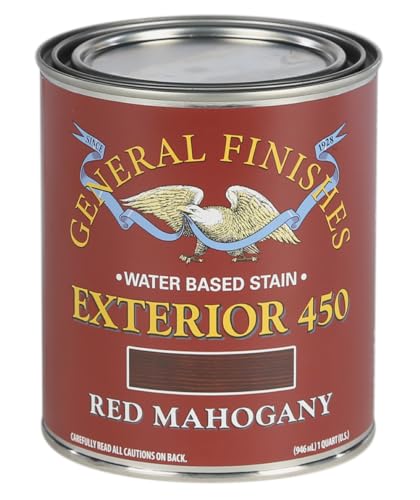
To tackle marks on your cherished wooden piece, I recommend using a mixture of olive oil and vinegar in equal parts. This combination not only nourishes the wood but also helps to conceal imperfections effectively.
Next, apply the solution with a soft cloth and rub gently along the grain of the wood. This method promotes absorption and enhances the natural shine of the surface.


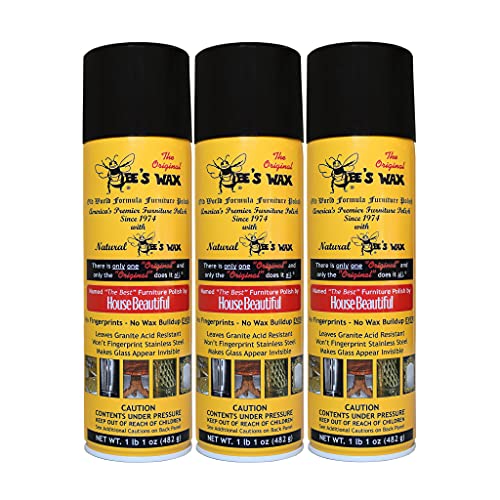

If deeper blemishes persist, consider using a walnut half. Rubbing a walnut directly on the affected area can help to fill in minor pits and restore the finish, thanks to the oils contained within the nut.
Finally, a light buffing with a soft, dry cloth will bring out the lustrous finish. This simple routine can greatly improve the appearance of your beloved piece, maintaining its beauty and functionality for years to come.
Step-to-Step Guide to Refreshing Your Mahogany Piece
Utilize a mixture of olive oil and vinegar in equal parts. Dampen a soft cloth, then gently rub the concoction into the affected area. This method nourishes the wood, enhancing its natural sheen.
If the blemish is deeper, consider using walnut or pecan halves. Rub the nut directly onto the mark; the natural oils in the nut help to blend the damaged area.
For light blemishes, a fine-grit sandpaper can be utilized. Sand carefully along the grain of the wood, ensuring minimal disturbance to surrounding areas. Finish with a soft cloth to buff the surface.
To conceal imperfections, furniture touch-up markers specifically designed for dark woods can be effective. Choose a color that matches your piece and apply a small amount to the area for camouflage.
- Avoid excessive moisture to prevent further damage.
- Always test any method on a less visible area to check for reactions.
- Maintain the finish by applying furniture polish periodically.
Consider preventive measures, such as coasters or placemats, to avoid future occurrences. Regular maintenance will keep your wood looking its best.
Identifying the Type of Scratch
First, assess the depth of the mark. Light abrasions can typically be felt with a fingertip, while deeper grooves catch the nail when I run my finger along the surface. This distinction is crucial for selecting the appropriate treatment method.
Next, observe the color variation. A faded or white streak usually indicates a minor surface disruption, while a darker mark may signify damage to the finish, indicating the necessity for a more comprehensive approach.
Types of Marks
| Type | Description | Treatment Level |
|---|---|---|
| Superficial | Thin, light haze; barely noticeable. | Minimal |
| Medium | Visible lines; detectable by touch. | Moderate |
| Deep | Pronounced grooves; feels significant to touch. | Intensive |
Finally, check for any accompanying stains. Discoloration may require specific cleaning or refinishing treatments, as the action will differ based on whether the surface merely needs a polish or a complete reapplication of the finish.
Gathering Necessary Materials
I recommend having a few key items on hand to tackle imperfections on dark wood surfaces. Begin with a soft cloth, preferably microfiber, to avoid further damage. A gentle cleaning solution or just water can help prepare the area. You’ll need polishing wax designed for dark wood, which will restore luster after refining the surface.
Prepare a fine-grade sandpaper, ideally 220 to 320 grit, for light abrasion if necessary. Additionally, wood stain that matches your piece may be useful to blend any noticeable areas after treatment. If you have any wood filler, this could be beneficial for deeper marks. Ensure you have a paintbrush or small applicator for even application of wax or stain.
A clean, damp rag will help in final cleanup, removing any residue and ensuring a polished finish. Having these materials ready enables a more structured approach, leading to a satisfactory outcome.
Testing Methods on a Hidden Area
I recommend selecting a discreet spot on your piece to test the method you’ll use. Look for an inconspicuous area, such as the underside of a drawer or the back of a leg. This ensures that any adverse effects won’t be visibly apparent.
Steps for Testing
1. Clean the area with a soft cloth dampened slightly with water or a gentle cleaner to remove dust and debris.
2. Apply your chosen solution or technique sparingly. For instance, if using a scratch filler, apply a small amount with a cotton swab.
3. Allow it to dry according to the manufacturer’s instructions. Keep an eye on the finish for any changes.
4. Assess the appearance by comparing it to the untested area. If satisfied with the results, you can proceed with the same method on the visible parts.
Points to Consider
Be cautious with solvents or abrasive materials, as they may alter the finish or color. If any negative outcome is observed, cease use immediately and explore alternative methods.
Performing your tests in a hidden location not only protects the aesthetics of your piece but also provides valuable insights into how various treatments will interact with the wood.
Using Homemade Solutions for Minor Imperfections
To tackle light imperfections on wood surfaces, I recommend a few effective homemade solutions that can significantly improve appearance. One method involves mixing equal parts of olive oil and vinegar. Apply it to the affected area with a soft cloth, rubbing gently in the direction of the grain. This blend not only nourishes the wood but also helps in reducing the visibility of blemishes.
Beeswax and Lemon Oil Polish
Another option is creating a beeswax and lemon oil polish. Mix melted beeswax with a few drops of lemon oil until it forms a paste. Once it cools, apply a small amount to the area and buff it with a cloth. This treatment provides a protective layer while enhancing the natural luster of the surface.
Mayonnaise Trick
Alternatively, mayonnaise can work wonders. Spread a small amount over the imperfection and let it sit for a couple of hours. The oils in the mayonnaise penetrate the wood, helping to disguise the imperfection. Wipe clean with a soft cloth afterward.
Applying Commercial Scratch Repair Kits
Opt for a scratch repair kit specifically designed for wood surfaces. Follow these steps for effective application:
- Choose the Right Kit: Select a product that matches the finish of your piece. Kits often come with markers, pens, or fillers in various wood tones.
- Clean the Area: Thoroughly clean the damaged section with a microfiber cloth. Ensure no dust or debris remains.
- Perform a Test: Before application, test the product on an inconspicuous area to verify compatibility. This step prevents unwanted reactions with the existing finish.
- Apply the Filler or Mark: For fillable kits, use the applicator to gently fill in the indents. If using a marker, match the grain while coloring the damaged section.
- Blend the Finish: After application, smooth the surface with a clean cloth to ensure an even appearance, blending it seamlessly with surrounding areas.
- Allow to Cure: Follow the manufacturer’s instructions for drying time. Avoid using the surface until fully cured.
- Buff the Area: Once cured, buff the treated area gently with a soft, dry cloth to restore shine and match the overall finish.
Regular maintenance with appropriate products will keep your items looking pristine over time. Always consult product literature for specific guidelines.”
Refinishing for Deep Scratches
For significant blemishes that penetrate the surface, a full refinishing process is often the solution. Begin by selecting a suitable wood finish that matches the existing hue of the piece. I prefer to use a stain that enhances the natural beauty of the wood.
The first step is to strip the old finish. This can be done with a chemical stripper designed for wood. Apply it generously with a brush and allow it to sit according to the manufacturer’s instructions. Once softened, use a scraper to gently remove the finish, taking care not to damage the wood below.
After stripping, sand the affected area to smooth out any imperfections. I recommend starting with coarse-grit sandpaper (around 80-grit) and gradually moving to finer grits (up to 220-grit) for a silky texture. Always sand in the direction of the grain for best results.
Dust off the surface thoroughly after sanding to prepare for restaining. If the deeper gouge runs parallel to the grain, consider filling it with a wood filler or epoxy designed for your type of wood. Once applied, sand it down until level with the surrounding area.
Next, apply the stain. Use a clean cloth or brush to work the product into the wood, ensuring an even application. A second coat may be necessary for a richer color. Allow the stain to dry completely before sealing it with a protective finish, such as polyurethane. This final step ensures durability and enhances the overall appearance of the item.
Regular maintenance will prolong the beauty of your refinished piece. A gentle clean with a damp cloth and occasional polishing will keep it looking fresh and well-cared-for.
Final Touches: Polishing and Protecting the Surface
To achieve a refined finish, I recommend applying a high-quality furniture polish after addressing imperfections. Select a product specifically designed for dark woods to enhance the natural luster. Use a soft, lint-free cloth to apply the polish evenly, working in small sections to ensure complete coverage.
After polishing, it’s crucial to buff the surface to achieve a smooth and glossy look. Circular motions with a clean part of the cloth will help remove any excess polish and bring out the shine. Be cautious not to apply too much pressure; gentle buffing will suffice.
Consider using a protective wax for added durability. Choose a paste or liquid wax compatible with the wood type. Applying a thin layer can create a barrier against moisture and minor damages. Follow the manufacturer’s instructions for application and curing times to ensure optimal results.
Regular maintenance is key. I find it beneficial to schedule periodic polishing to maintain the finish and protect against future wear. A gentle dusting routine with a microfiber cloth helps eliminate particles that can cause abrasions over time.
User preferences vary, but I advocate for avoiding multi-surface cleaners as they can strip the protective layers. Sticking to products specifically formulated for wood ensures the beauty of the piece is preserved long-term.
Preventative Measures for Future Scratches
Placing felt pads under all items that sit on surfaces helps eliminate risk. I apply them to the bottom of vases, lamps, and decorative objects. This simple step minimizes the chance of abrasion when moving or shifting objects.
Using coasters for drinks prevents moisture rings and marks. I always keep a set nearby to remind guests to protect the surface. Additionally, avoiding direct sunlight exposure helps prevent fading and damage to the finish.
Regular dusting with a soft, lint-free cloth removes grit that can cause harm. I make it a habit to clean weekly, ensuring surfaces stay pristine. For deeper cleans, I approach with specialized cleaners designed for specific wood types to maintain the finish.
Implementing a no-shoes policy in certain areas further reduces the potential for damage. If shoes are worn, I recommend checking soles for debris before walking on treated surfaces.
Finally, when moving items, always lift them rather than dragging. I remind others to do the same to maintain the integrity of the surface over time.
FAQ:
What are the best methods for removing scratches from mahogany furniture?
There are several effective methods to remove scratches from mahogany furniture. One popular approach is to use a mixture of olive oil and vinegar. Apply equal parts of both ingredients to a soft cloth and gently rub it onto the scratch in the direction of the grain. Another option is to use a touch-up marker designed for wood furniture, which can fill in the scratch and match the color of the mahogany. Additionally, some people find success with furniture repair kits that include wax sticks. These can be melted and buffed into the scratch, making it less noticeable.
How can I tell if a scratch on my mahogany furniture is superficial?
To determine if a scratch on your mahogany furniture is superficial, inspect its depth. Superficial scratches generally affect only the finish and not the wood itself. You can gently run your fingernail over the scratch; if it catches, the scratch is likely deeper. You can also apply a small amount of oil or wax to see if it obscures the scratch. If the scratch disappears or is significantly less noticeable, it is probably superficial and can often be treated without extensive repair.
Is it advisable to use commercial products for scratch removal on mahogany furniture?
Using commercial products can be effective, but caution is necessary. Always read the label to ensure compatibility with mahogany and follow the manufacturer’s instructions. Some products may contain chemicals that can damage the wood or alter its color. It’s wise to test any product on a small, inconspicuous area first. If you’re unsure, natural alternatives, like olive oil and vinegar, are safer choices that can effectively minimize the appearance of scratches.
Can I prevent scratches on mahogany furniture in the future?
To prevent future scratches on mahogany furniture, consider using protective pads under items placed on the surface. Coasters and placemats can also help protect against moisture and abrasions. Regular maintenance is vital; dust and clean the furniture frequently using soft cloths. Additionally, avoid placing heavy objects or sharp items directly on the wood. A protective finish can also provide a barrier against scratches and should be reapplied periodically as needed.
What homemade solutions can be used for scratch repair on mahogany furniture?
Homemade solutions for repairing scratches on mahogany furniture include a mixture of equal parts mayonnaise and vinegar, which can help fill in scratches and restore shine. Another option is to mix crushed walnut shells with a little olive oil to create a paste that matches the color of the wood. Applying this paste into the scratch and buffing it with a soft cloth can help camouflage the damage. For deeper scratches, combining beeswax with furniture stain can create a more permanent fix.
What are some homemade solutions to remove scratches from mahogany furniture?
There are several effective homemade solutions you can use to remove scratches from mahogany furniture. One popular method is to mix equal parts of olive oil and vinegar; apply this mixture with a soft cloth, rubbing it gently over the scratched area. Another option is to use a walnut or almond; simply rub the nut over the scratch to fill in the gap with natural oils and pigments. Additionally, a mixture of beeswax and mineral oil can create a protective barrier while helping to disguise minor scratches.
How can I prevent further scratches on my mahogany furniture?
To prevent further scratches on mahogany furniture, consider taking a few proactive measures. First, placing coasters and placemats under hot or sharp objects can help protect the surface. Using a soft cloth or microfiber material for cleaning instead of abrasive sponges is also advisable. Regularly applying a high-quality furniture polish can help maintain a protective layer on the wood. Lastly, consider adjusting the placement of furniture to avoid contact with hard surfaces and maintaining humidity levels in the room to prevent wood expansion and contraction that can lead to scratching.


