
 Caleb Turner
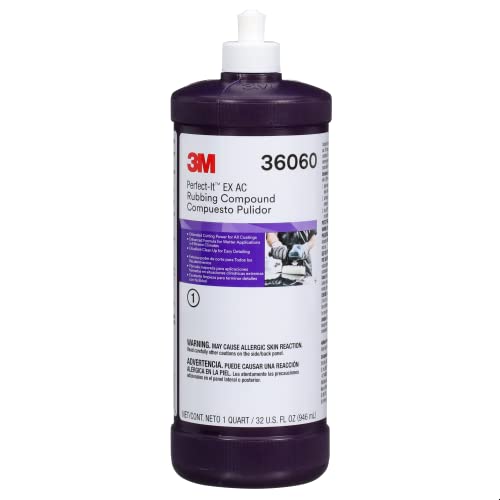
To tackle imperfections on your painted surfaces, I recommend using a quality polishing compound. Start by cleaning the area thoroughly with soap and water to remove any dirt and grease. This ensures that the compound can effectively address the blemishes.
Apply a small amount of the polishing compound onto a soft, lint-free cloth. Gently rub the affected area in circular motions, applying light pressure for better results. This technique not only smooths the finish but can also enhance the color’s vibrancy.
After polishing, wipe the surface with a clean, dry cloth to remove any residue. If necessary, a second application of the compound can be applied for deeper marks. This straightforward process will help restore the look of your beloved items, maintaining their charm for years to come.
Addressing Imperfections on Coated Surfaces
For effective treatment of imperfections on coated surfaces, I apply a specialized touch-up paint that matches the original color. It’s always best to locate the exact shade by checking product labels or contacting the manufacturer. Once I have the correct color, I use a fine brush to apply the touch-up paint directly onto the affected area, ensuring an even and smooth layer.
Finishing Touches
After the paint dries, I utilize a very fine-grit sandpaper gently over the area to blend it seamlessly with the surrounding finish. This step requires a light touch to avoid damaging the surrounding coating. Subsequently, I finalize the process by applying a clear coat to protect the area and enhance its gloss, always ensuring it matches the sheen of the existing finish.


Preventive Measures
To safeguard against future damage, I suggest employing placemats or coasters on surfaces that are frequently used. Additionally, routine cleaning with non-abrasive materials will help maintain the integrity of the finish, preventing wear and tear over time.
Identify the Type of Scratch on Your Furniture
To address imperfections effectively, I first examine each mark closely. Understanding its origin aids in choosing the right technique for treatment.
Superficial Marks
These are usually just surface issues. A quick polish with a microfiber cloth and compatible cleaning solution can often restore the sheen. It’s efficient to assess the reflection; if it looks slightly muted, it’s likely a superficial flaw.
Deeper Blemishes
For more significant damages, I check if the color beneath is visibly altered. This could indicate that the coating has been compromised. In such cases, I often opt for fine grit sandpaper, lightly abrasing the area before applying touch-up paint. Patience is key here; multiple layers may be necessary to blend seamlessly.
Lastly, I make sure to follow up with a protective layer. This ensures the area is shielded against future wear, maintaining the overall appearance of the item. Assessing each mark’s nature allows me to take precise steps towards restoration.
Gather Necessary Tools and Materials
For this task, I recommend procuring the following items to ensure a smooth process:
Essential Tools
| Tool | Description |
|---|---|
| Microfiber Cloths | Soft cloths that prevent further damage while cleaning. |
| Fine Sandpaper | Used for smoothing out any uneven surfaces without harming the underlying paint. |
| Paint Touch-Up Kit | Contains matching paint for minor repairs and touch-ups. |
| Clear Coat Spray | Provides a protective layer over the painted area after repairs. |
Additional Materials
| Material | Purpose |
|---|---|
| Rubbing Compound | Helps in polishing the surface and removing minor blemishes. |
| Cleaning Solution | Specific for metals, effective in removing dirt and grease. |
| Masking Tape | Protects areas that should not be treated during the process. |
| Paint Brush or Applicator | For applying touch-up paint accurately. |
Assembling these tools and materials will equip me for addressing imperfections effectively. Each item plays a unique role in preserving the appearance of my belongings.
Clean the Affected Area Before Repairing
The first step I take is ensuring the area around the imperfection is free from dirt, grease, and debris. I use a soft cloth dampened with a mild soap solution to wipe the surface. This not only helps me identify the damage more accurately but also prepares the surface for any touch-up procedures.
After cleaning, I dry the area completely with a clean, dry cloth. I avoid using excessive water to prevent moisture from seeping into any crevices. If the blemish is particularly stubborn, I might opt for a non-abrasive cleaner, ensuring I follow the manufacturer’s instructions closely.
Once the surface is clean and dry, I inspect it closely for any remaining residue. A clean environment reduces the chance of further issues during the repair process. A little attention to this detail at the outset saves me time and improves the final result considerably.
Apply Touch-Up Paint for Minor Imperfections
I recommend using a small brush or fine-tip applicator to apply the touch-up paint directly onto the affected area. This method ensures precision and prevents paint from spreading to surrounding areas. Choose a paint that matches the color and finish of the original surface for a seamless repair.
Selecting the Right Touch-Up Paint
Select a product specifically formulated for metal surfaces. Many manufacturers offer touch-up kits that include both paint and a clear coat for protection. If unsure about the color, take a sample or photograph of the existing finish to your local paint store for a custom match.
<h3.Application Techniques
<p.Start with a very small amount of paint on your brush. Lightly dab the paint into the imperfection, using a feathering technique to blend the edges. Allow it to dry thoroughly, following the manufacturer's drying time recommendations. For enhanced durability, consider applying a clear coat after the paint has cured to shield the repair from future wear and tear.
Use Rubbing Compound for Deeper Scratches
I recommend using a rubbing compound for deeper imperfections that require more than just touch-up paint. Select a high-quality compound that is suitable for automotive finishes or similar surfaces.
Start by applying a small amount of the compound onto a clean, soft cloth or a foam applicator pad. Ensure the area is clean and dry before working on it.
Using circular motions, gently buff the compound into the affected area. Apply light pressure and avoid excessive rubbing to prevent further damage. Keep checking the progress; a little goes a long way.
After noticing improvement, clean the area with a lint-free cloth to remove any excess compound. If necessary, repeat the process until the desired results are achieved.
Finally, finish by applying a coat of wax or sealant to protect the repaired surface, enhancing its appearance and longevity.
Polish the Surface After Repairing
To achieve a flawless finish after addressing blemishes, I focus on polishing the area to restore its shine and uniform texture. Here’s how I do it:
- Select the Right Polish: I choose a polish specifically designed for coated surfaces. Products with a fine abrasive formula work best, ensuring I don’t damage the underlying paint.
- Gather a Microfiber Cloth: I grab a clean microfiber cloth, which helps in applying the polish evenly without causing further harm.
- Apply Polish Sparingly: I pour a small amount of polish onto the cloth, avoiding excess that could lead to a sticky residue.
- Buff the Area: Using gentle, circular motions, I buff the surface, overlapping sections to ensure even coverage. This helps blend the repaired spot with the surrounding finish.
- Check for Consistency: After polishing, I inspect the surface in different lighting to ensure an even gloss and that the repair is less noticeable.
- Final Wipe Down: I finish by wiping the area with a clean, dry microfiber cloth to remove any leftover polish and enhance the shine.
This process helps not only in restoring the aesthetic appeal of the item but also in protecting the finish for long-lasting use.
Prevent Future Scratches on Painted Metal Furniture
To shield your belongings from future damage, consider these proactive measures:
- Apply felt pads underneath all legs of tables and chairs. This will create a buffer between the surface and potential abrasive movements.
- Utilize tablecloths or protective covers when the furniture is not in use, especially during special occasions or gatherings.
- Be mindful of frequently used items; avoid placing sharp or heavy objects directly on surfaces. Use coasters or trays to minimize contact.
- Regularly inspect the area for signs of wear. Address potential issues before they escalate.
- Maintain a consistent cleaning routine with non-abrasive materials. This prevents buildup of dirt and grime that can cause harm.
Choose the Right Location
Select areas that minimize risk exposure. Avoid locations near high-traffic areas where accidental bumps can occur. If possible, position furniture away from doors and hallways.
Educate Household Members
Inform everyone who uses the space about appropriate care techniques. Simple reminders about handling items gently can greatly reduce unintentional abrasions.
FAQ:
What are some common methods to remove scratches from painted metal furniture?
There are several effective methods to remove scratches from painted metal furniture. One popular technique involves using a combination of automotive touch-up paint and a fine brush to fill in the scratch. For lighter scratches, a mixture of vinegar and olive oil can be rubbed onto the surface to help conceal them. Additionally, using a specialized scratch-removal product designed for metal can also be beneficial. Lastly, polishing with a soft cloth can improve the overall appearance.
Can I use household items to fix scratches on my metal furniture?
Yes, many household items can be useful for addressing scratches on metal furniture. For instance, you can use toothpaste as a mild abrasive to buff out minor scratches. Another option is to try baking soda mixed with water to form a paste that can help reduce the visibility of scratches. It’s important to test these methods on a small, inconspicuous area first to ensure that they do not damage the finish.
Are there specific products I should look for when trying to repair metal furniture scratches?
When repairing scratches on painted metal furniture, look for products specifically designed for metal surfaces. Automotive touch-up paints, scratch-removal kits, and metal polish can effectively restore the finish. Some brands offer scratch-filling pens that are easy to apply and blend well with the existing paint. Always check the product details to ensure compatibility with the type of paint on your furniture.
How can I prevent scratches on my painted metal furniture in the future?
To prevent scratches on painted metal furniture, consider taking a few proactive measures. Using coasters and placemats can help protect the surface from potential scratches caused by objects placed on it. Additionally, avoid dragging items across the surface and instead lift them to move. Regularly cleaning and maintaining the furniture can also help sustain its finish and reduce the chance of damage over time.
Is it possible to repair deep scratches on metal furniture, and how?
Deep scratches can be more challenging to repair, but it is possible. Start by sanding down the area around the scratch to smooth the edges. Afterward, apply a primer if the metal is exposed. Once the primer is dry, use automotive touch-up paint to fill the scratch, layering as necessary to match the surrounding area. Finally, polish the repaired area to blend it in with the rest of the furniture. Patience is required, as achieving a seamless repair may take time and multiple applications.
What are some effective methods to remove scratches from painted metal furniture?
There are several methods to remove scratches from painted metal furniture. One common approach is to use touch-up paint that matches the furniture’s color. Clean the scratched area thoroughly, then apply the paint with a small brush or a cotton swab. For minor scratches, polishing compounds designed for automobiles can also be effective; apply a small amount to a cloth and gently buff the area until the scratch diminishes. Additionally, using fine sandpaper or steel wool can help in cases where the scratch is deeper, but be cautious to avoid further damaging the paint. After using any of these methods, it’s beneficial to seal the area with a clear coat to protect it in the future.
Can I use household items to fix scratches on my painted metal furniture?
Yes, you can use several household items to address scratches on painted metal furniture. For light scratches, a mixture of baking soda and water can create a paste that you gently rub into the scratch. A soft cloth can be used for this purpose. For black or dark finishes, applying a bit of shoe polish or a wax crayon that matches the furniture color can fill in the scratch effectively. Alternatively, some people find success using a magic eraser sponge to gently buff away fine scratches. Always remember to test any method on a small, inconspicuous area first to ensure it won’t cause further damage to the finish.


