
 Caleb Turner
A precise blend of olive oil and vinegar can breathe new life into damaged areas of your beloved pieces. Mix three parts olive oil with one part vinegar, apply the solution onto a soft cloth, and gently rub it over the affected zones. This combination not only fills minor imperfections but also enhances the natural sheen of the timber.
For deeper marks, using a walnut or almond can work wonders. Rubbing the nut over the blemish allows the natural oils to seep into the fibers, helping to mask the imperfection. This method showcases the beauty of the grain while providing a nourishing effect.
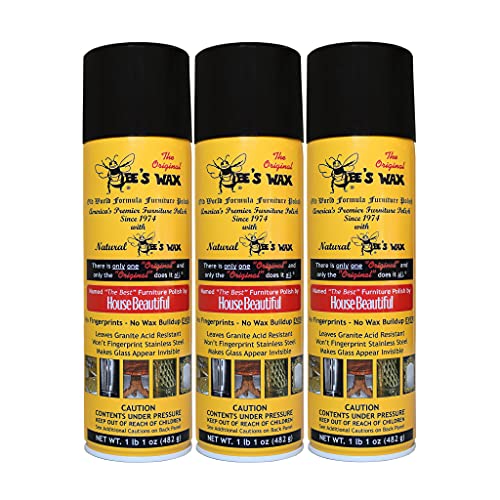
When looking to polish your prized possessions, choose a high-quality paste wax for a protective finish. Apply a thin layer with a clean cloth, allowing it to dry before buffing. This step not only safeguards the surfaces but also elevates their overall appearance, reflecting the craftsmanship that went into their creation.
Repair Techniques for Cherry Textures
I recommend utilizing a few practical methods to address imperfections on these beautiful surfaces.


-
Olive Oil and Vinegar Mixture:
Combine equal parts of olive oil and vinegar. Apply the mixture using a soft cloth, rubbing gently over the affected area. This will help nourish the surface while minimizing the appearance of blemishes.
-
Walnut Method:
A natural option involves rubbing a walnut over the area. The oils in the nut will fill in the uneven spots while imparting a slight sheen. After applying, buff with a soft cloth for a polished finish.
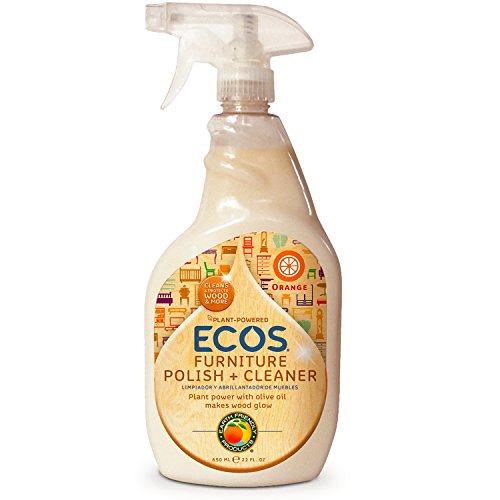
Top Rated Earth Friendly Furniture Polish Pack of 12Natural olive oil-based cleanerThis furniture polish cleans and protects wood surfaces, gently removing fingerprints and dirt. Ideal for maintaining beauty in diverse materials like Formica and vinyl.
-
Color-Matched Wax:
Choose a wax crayon that matches the hue of your piece. Melt a small amount and apply it directly into the mark. Allow it to cool, then gently buff to blend it with the surrounding finish.
-
Steel Wool and Lemon Oil:
For deeper blemishes, use fine steel wool with lemon oil as a lubricant. Rub carefully in the direction of the grain to smoothen the surface. Wipe clean and apply a wood conditioner afterward.
-
Touch-Up Markers:
Commercially available markers can be used to fill in discoloration. Select a shade that corresponds closely to your item. Apply lightly and allow it to dry before buffing to a shine for a seamless look.
Select the method that best suits your needs and ensures careful handling to maintain the integrity of the surface. Frequent maintenance will prolong its beauty and charm.
Identify the Type of Scratch on Your Furniture
Begin by assessing whether the imperfection is superficial or deep. Superficial marks may be cleared using a simple polish or blend. Deep gouges require a different approach, possibly involving filling and refinishing processes.
Surface Marks
Surface marks are often light and can appear as minor discolorations on the finish. These can be addressed with a soft cloth and suitable furniture polish. A mixture of olive oil and vinegar can also rejuvenate the appearance.
Deeper Grooves
Deeper grooves penetrate the finish and may expose the underlying material. For these, consider using wood filler that matches the hue of your piece. Once the filler is dry, sanding gently followed by a coat of matching stain may restore the original aesthetic.
Gather Necessary Tools and Materials for Repair
Prepare a microfiber cloth for dusting surfaces before beginning any work. Acquire a wood filler or wax stick that matches the shade of your item; these are essential for blending the area after treatment. A fine-grit sandpaper or sanding sponge will help smooth out imperfections, so get one in the 200- to 400-grit range to avoid creating new blemishes.
Have a soft cloth on hand for applying oils or polishes. If you opt for a repair compound, use a spatula for precise application, ensuring minimal mess. A clear furniture polish or wood cream can help enhance the finish once repairs are completed, giving a uniform appearance to the treated areas.
Finally, keep a small container of denatured alcohol or mineral spirits ready. Should experts recommend testing an area for stubborn marks, this will assist in cleaning any residues without damaging surrounding finishes. Gathering these items ensures a smooth repair process, allowing for a more successful outcome.
Use a Walnut to Fill in Minor Imperfections
I find that a walnut is an excellent natural remedy for addressing small blemishes on surfaces. The oil contained in the nut helps to blend the damaged area with the surrounding finish. To begin, take a whole walnut and crack it open to access the meat. Rub the nut directly onto the undesirable mark using gentle pressure. The oils will seep into the finish, aiding in camouflage.
Application Technique
After applying the walnut, allow the area to sit for about 10 to 15 minutes. This period gives the oil a chance to penetrate. Then, use a soft cloth to buff the area lightly, ensuring an even surface. If necessary, repeat the process until satisfaction is achieved. This method is particularly effective for light discolorations and minor dents.
Follow-Up Care
Once the touch-up is complete, consider applying a light coat of furniture polish for added sheen. This not only enhances the surface but also provides protective qualities. Ensure to test any new product on a less visible area before full application to avoid reactions that could alter the finish.
Apply Wood Stain for Deeper Marks
To address significant imperfections, I choose a stain that closely matches the hue of the existing finish. Preparing the area is essential; I clean it thoroughly to ensure better adhesion of the stain. I use a soft cloth or sponge to apply the product in light, even strokes, allowing it to penetrate the damaged sections. It’s crucial to follow the manufacturer’s instructions regarding drying time.
Blending Techniques
After the initial application, I assess the results. If necessary, I blend the newly stained area with the surrounding finish using a clean cloth to feather the edges. This technique helps create a seamless appearance and minimizes the contrast between the new and old finishes.
Finishing Touches
Once the stain has dried completely, I apply a clear top coat to protect the refinished area. This not only enhances the durability but also matches the sheen of the untouched surfaces. I opt for a spray or brush application for uniform coverage, ensuring the entire region is adequately sealed.
| Step | Action | Notes |
|---|---|---|
| 1 | Choose appropriate stain | Select based on current finish |
| 2 | Clean the area | Remove dust and debris |
| 3 | Apply stain | Use a cloth or sponge |
| 4 | Blend edges | Feather for a seamless look |
| 5 | Top coat application | Spray or brush for uniformity |
Blend the Repair Area with Sanding Techniques
Begin with fine-grit sandpaper, ideally between 220 to 320 grit, to smooth the area around the repaired section. Sand gently using a circular motion, avoiding excessive pressure to prevent further damage. Aim to feather the edges of the repair into the surrounding surface, creating a seamless transition.
Technique for Achieving Uniformity
Once the initial sanding is complete, wipe the area with a damp cloth to remove dust. After drying, assess the area for any inconsistencies. If further blending is needed, repeat the sanding process using progressively finer grits, finishing with 400-grit sandpaper for a polished touch.
Final Steps for a Flawless Finish
After achieving a smooth surface, apply a matching wood finish or stain. Follow the application with a light sanding of the coated area once dry, using ultra-fine sandpaper, to ensure it blends harmoniously with the surrounding maple. This final step helps achieve an inconspicuous repair, enhancing the overall appearance.
Finish with a Protective Coat for Longevity
To ensure that your restored surfaces maintain their beauty, applying a protective layer is essential. Select a high-quality polyurethane or varnish suitable for wood applications. This finish creates a barrier against future damage, moisture, and dirt.
Follow these steps for optimal results:
- Ensure the area is clean and free of dust post-repair.
- Using a clean, lint-free cloth or brush, apply the finish in thin, even coats.
- Allow the first coat to dry completely as per the manufacturer’s instructions, typically 4-6 hours.
- After drying, lightly sand the finish with fine-grit sandpaper to create an ideal surface for the next layer.
- Clean the dust away, then apply a second coat and repeat the drying and sanding process.
- For extra durability, consider applying a third layer.
After the final coat dries, your restored antique will be well-protected, enhancing its appearance while safeguarding it against wear and tear.
Regular Maintenance Tips to Prevent Future Scratches
Apply coasters or placemats under objects to avoid any abrasions on surfaces. This simple step is effective in protecting against daily wear.
Regularly dust with a soft microfiber cloth. This minimizes the accumulation of dirt and debris that can lead to scratches during cleaning.
For heavier items, consider using felt pads underneath. These pads help distribute weight evenly and prevent direct contact with the finish.
Avoid dragging objects across any surfaces. Lifting items instead of sliding them can significantly reduce the risk of damage.
Inspect and tighten furniture legs periodically. Loose components can cause wobbling, increasing the likelihood of unintended impact.
Maintain consistent humidity levels in the environment. Fluctuations can cause expansion and contraction, leading to cracks and potential surface issues.
Apply a protective wax or furniture polish regularly. This not only enhances luster but also adds a barrier against minor impacts and abrasions.
Store items safely and thoughtfully. Avoid overcrowding shelves or tables which can increase the chance of damage during everyday use.
Consider using decorative trays for organizing smaller items. This keeps them in one place and reduces the chance of accidental contact.


