Caleb Turner

First, I suggest gathering a mixture of equal parts vinegar and water. This combination acts as a gentle but effective agent against discoloration. Using a soft cloth, dip it into the solution and gently rub the affected areas, allowing the acidic properties to work on the metal residues without damaging the delicate fibers.
Next, it’s beneficial to incorporate baking soda. Create a paste by mixing it with water, applying it directly where needed. Let it sit for approximately 15 minutes before wiping it away with a damp cloth. The mild abrasiveness of baking soda aids in lifting stubborn stains while remaining safe for your natural textures.
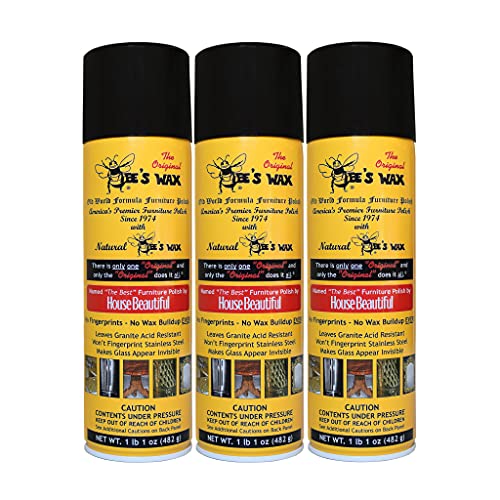
Lastly, for an extra layer of protection, consider sealing your decorative piece with a silicone-based spray once it’s dry. This will create a barrier against future marks, preserving the beauty of your furniture and extending its life outside.


Removing Corrosion from Rattan Tables and Chairs
Begin with a blend of equal parts white vinegar and baking soda. Apply this mixture directly to the affected area using a soft cloth or sponge. The mildly acidic properties of vinegar combined with the abrasive nature of baking soda work well to dislodge the oxidation.
After applying, let it sit for about 10-15 minutes. Gently scrub the surface with a brush designed for delicate materials to avoid damaging the strands. Rinse thoroughly with warm water to eliminate residues and dry immediately with a soft towel.
If the issue persists, try using a commercial metal cleaner formulated specifically for delicate items. Always perform a patch test in an inconspicuous area to ensure compatibility with your pieces. Follow the manufacturer’s instructions for the best results.
To protect your items against future occurrences, consider applying a coating of non-toxic clear sealant. This can provide a barrier against moisture and humidity, which contribute to deterioration. Reapply this sealant periodically, especially after cleaning.
| Step | Instructions |
|---|---|
| 1 | Mix equal parts vinegar and baking soda. |
| 2 | Apply to the affected area and let sit. |
| 3 | Gently scrub with a delicate brush. |
| 4 | Rinse thoroughly and dry. |
| 5 | Consider a protective sealant for future prevention. |
Assessing the Extent of Rust Damage
I begin by examining the affected areas closely. I look for visible signs such as stains, discoloration, or flaking that indicate deterioration. It’s crucial to identify not only the surface damage but also any underlying issues that may affect the integrity of the structure.
Next, I assess the severity:
- Light Damage: Small spots and minor discoloration with no structural concerns.
- Moderate Damage: Multiple areas affected, with some flaking and beginning structural weakness.
- Severe Damage: Extensive decay that compromises stability, potentially requiring deeper intervention or replacement.
Using a soft cloth, I gently rub areas that appear faulty; this helps determine the extent of the corrosion and if it can be treated easily or requires more intensive care.
I also check joints and connections for signs that might indicate deeper penetration. If rust has spread to these points, it signals a need for comprehensive restoration.
Documenting the findings is helpful. Taking photos assists in tracking progress and ensuring that all affected spots are addressed during the restoration process.
Lastly, I consider the material composition. If the pieces include different metals or materials, variations in corrosion behavior could affect my restoration approach.
Gathering Necessary Cleaning Supplies
First, ensure you have a soft-bristle brush to tackle any dirt or debris without damaging the delicate structure of your item. A vacuum cleaner with a brush attachment can also be handy for thorough cleaning of crevices.
Next, acquire a microfiber cloth for wiping surfaces clean after treatment. This material is gentle and effective, preventing scratches while absorbing moisture. You’ll also need some baking soda; it acts as a mild abrasive, helping to lift stains while being safe for finishes.
Additional Materials
A bucket of warm water mixed with a few drops of mild dish soap serves well for initial cleaning. Make sure to have a pair of gloves to protect your hands during the cleaning process. If you notice heavy discoloration, consider a specialized metal cleaner designed for specific types of surfaces.
Finishing Touches
Finally, stock up on protective products, such as a clear sealant or polish suitable for metal, to enhance the longevity of your piece post-cleaning. By gathering these supplies, you’ll be well-prepared for the task ahead.
Preparing the Wicker Surface for Cleaning
First, I ensure that the area is free of debris and dust. A gentle brush or a dry cloth works well for this step, as it helps eliminate loose particles. I take care to inspect the crevices and intricate patterns, as these areas often trap dirt.
Next, I consider the moisture content of the material. If the furniture is damp or recently exposed to rain, I avoid cleaning until it has thoroughly dried. Excess moisture can weaken the strands and make the cleaning process less effective.
If there are any loose pieces or signs of structural damage, I assess whether repairs are needed before proceeding. Tightening any loose strands or making minor repairs can prevent further issues during cleaning.
Finally, I protect nearby surfaces by laying down a cloth or tarp to catch any debris that may come loose during the cleaning process. This simple step saves time on cleanup later and keeps the area tidy.
Applying Rust Remover Solutions Safely
Before applying any cleaning agent, I make sure to use gloves and protective eyewear to prevent skin or eye irritation. When dealing with chemical treatments, I always work in a well-ventilated area to minimize inhalation risks. It’s also wise to place a drop cloth beneath the item to catch any drips or spills.
Choosing the right rust solution is crucial. I opt for water-based or biodegradable products whenever possible, as they pose less risk to both my health and the environment. If I am using a spray solution, I apply it from a distance of about 6-12 inches to prevent oversaturation that could damage the surrounding material.
Always conduct a patch test on a small, inconspicuous area first. This way, I can ensure that the solution won’t affect the texture or color of the surface. I normally let it sit for the recommended time before wiping it away gently with a soft cloth or sponge to see how the material reacts.
During the application, I avoid using metal brushes or pads, as these can scratch the surface. Instead, soft-bristle brushes or cloths are my go-to tools for scrubbing away any buildup while being careful not to compromise the item’s integrity.
After treatment, I thoroughly rinse the area with water and allow it to dry completely before applying any sealant or finish. This step is key to preventing further deterioration and maintaining the structure’s appearance.
Using a Brush for Rust Removal Techniques
Choosing the right brush is crucial. Opt for a wire brush with bristles appropriate for metal to avoid damaging the surrounding material. A handheld wire brush or a drill attachment can be particularly effective.
Begin by gently scrubbing the affected areas. Maintain an even pressure to prevent gouging. Focus on eliminating loose particles and flakes without forcing the bristles too deeply. This method ensures the underlying structure isn’t harmed.
Follow these steps for optimal results:
- Test on a small, inconspicuous area first to gauge the effect on overall integrity.
- Keep your workspace well-ventilated. Use a mask to protect against inhaling fine particles.
- Brush in a consistent motion, moving with the grain to maintain a clean finish.
- Regularly clear away debris to keep your view unobstructed.
In cases of stubborn spots, switching to a finer brush can help refine your work. After you finish brushing, a thorough wipe down with a damp cloth removes any remnants, preparing the surface for further treatment.
Lastly, consider a protective coating post-cleaning to prevent any future deterioration. This can significantly extend the life of your pieces.
Wiping Down the Furniture After Treatment
After applying a suitable solution to tackle the oxidation, it’s essential to thoroughly clean the surface. Start with a soft cloth or sponge soaked in warm, soapy water. Gently wipe the entire area to eliminate any remnants of the cleaning solution and dislodged debris.
Steps for Effective Cleaning
- Use a mild detergent mixed with water for the best results.
- Make sure the cloth is damp, not soaking wet, to avoid excess moisture damaging the material.
- For hard-to-reach spots, utilize a small brush or toothbrush, ensuring to remain gentle to avoid damaging the weaves.
After wiping down, rinse the cloth frequently to prevent spreading any residue. Follow up by drying the surface with a clean, dry cloth to avoid moisture retention that may lead to new stains or damage.
Finishing Touches
- Consider applying a suitable protective sealant specifically designed for the material type after it has completely dried.
- Store the items in a sheltered space, especially if they’re not intended for outdoor use, to prolong their lifespan.
Regular maintenance will keep the pieces looking pristine and can prevent future issues. Inspect periodically for any signs of damage and treat promptly to maintain their condition.
Inspecting for Remaining Rust Stains
After addressing visible discolorations, I closely inspect the affected areas for any lingering blemishes. I use a soft, white cloth to wipe down these regions, as this helps in identifying any unforeseen residues. If the cloth picks up discoloration, it indicates that there are still stains that need attention.
I pay extra attention to crevices and joints, as these spots can often hide stubborn marks. A bright flashlight assists in illuminating shadowy areas, revealing remnants that might be missed in standard lighting. The objective is to ensure that all traces are spotted before proceeding with any further treatment.
If I encounter persistent spots, I take note of their location and severity for targeted intervention. Utilizing magnification can aid in spotting faint traces, ensuring no area is overlooked. This methodical evaluation guarantees that my efforts yield optimal results in restoring the appearance of the items.
Once I verify that all areas are clear, I document any that require additional attention in the future. Keeping a checklist helps track progress over time, ensuring I maintain the integrity and look of my items effectively.
Sealing the Wicker to Prevent Future Rust
Applying a high-quality sealant designed for outdoor use is crucial. This protective layer acts as a barrier against moisture and pollutants that contribute to deterioration. Ensure the wicker material is thoroughly cleaned and dry before sealing.
Choosing the Right Sealant
Select a sealant that is compatible with your furniture’s finish. For natural wicker, consider a clear, water-based polyurethane. For painted surfaces, a spray-on acrylic sealant works well. Always verify product specifications to avoid adverse reactions.
Sealing Process
1. Shake the sealant container well before application.
2. Use a clean, soft brush or spray tool to apply the sealant evenly across all surfaces.
3. Pay close attention to joints and crevices, where moisture can accumulate.
4. Allow the first coat to dry according to manufacturer instructions, then apply a second coat for enhanced protection.
| Sealant Type | Best Use |
|---|---|
| Water-based Polyurethane | Natural Wicker |
| Acrylic Spray Sealant | Painted Surfaces |
| Polycrylic Sealant | General Outdoor Use |
Regularly inspect sealed pieces; reapply sealant annually or as needed based on exposure to elements. This proactive approach helps extend the lifespan of your outdoor decor significantly.
Maintaining Wicker Furniture to Avoid Rust Build-Up
Regular dusting is crucial for preserving the integrity of your woven seating. I utilize a soft brush or cloth to ensure particles do not accumulate, which can trap moisture and initiate oxidation.
After each cleaning session, applying a protective coating is beneficial. I prefer using a clear sealant meant for organic materials. This adds an extra layer of defense against humidity and prevents moisture ingress.
Storing these items indoors during harsh weather plays a significant role in longevity, especially in climates prone to rain or snow. If outdoor use is necessary, I cover them adequately to shield against the elements.
In case of spills, I promptly blot the area with a dry cloth. This minimizes the chance of absorption that could lead to deterioration. I steer clear of harsh chemicals, opting instead for gentle, natural cleaners to maintain the finish and quality.
Inspecting for joints or connections in the weaving is another meticulous task I handle. Ensuring these areas remain tight inhibits moisture traps. Tightening loose strands prevents further stress on the structure.