
 Caleb Turner
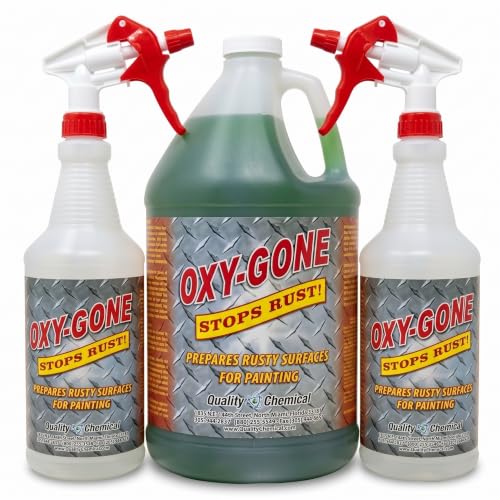
For immediate results, I recommend using white vinegar to tackle the problem. Soak a cloth in vinegar and apply it directly to the affected areas. Let it sit for up to 30 minutes for maximum effect.
Following the vinegar treatment, I take a fine steel wool pad to gently scrub the surface. This helps to lift stubborn deposits without causing damage. Always test an inconspicuous area first.
After scrubbing, I rinse the item with water to remove any residue. A thorough drying is crucial; I often use a clean microfiber cloth to prevent further corrosion. Applying a protective wax or sealant afterward can extend the life of my pieces significantly.
Identifying the Type of Corrosion on Your Items
Observe the surface closely. Pitting indicates deep, localized damage typical in humid environments. Spotting small, dark spots signals surface issues. For extensive, flaky areas, this suggests severe deterioration requiring immediate attention.


Surface-Level Corrosion
This type manifests as a thin layer of discoloration. Tools like fine steel wool or sandpaper can effectively treat these areas. Scrubbing lightly often restores the original shine.
Deep Corrosion
If you find deep gouges or holes, assess whether the structure remains stable. In such cases, more intensive remediation methods such as chemical treatments or professional help might be necessary. Using a rust converter can halt further damage and serve as a primer for repainting when appropriate.
Choosing the Right Cleaning Supplies for Rust Removal
I recommend selecting products specifically formulated to tackle corrosion. Look for the following items:
- Rust Remover Gels or Liquids: These penetrate and dissolve oxidation effectively. Popular brands include Krud Kutter and Evapo-Rust.
- Scrub Pads and Brushes: Choose non-abrasive pads for delicate surfaces and sturdy wire brushes for tougher grime.
- Sandpaper or Abrasive Discs: For heavier build-up, opt for various grits, starting from coarse to fine for a smooth finish.
- Protective Chemicals: After cleansing, a rust-inhibitive primer or sealant can prolong the life of your items.
- Natural Alternatives: Consider using vinegar or baking soda as eco-friendly options for light cases. These household items can effectively lift minor oxidation.
Always check the manufacturer’s guidelines to ensure compatibility with your items. Always wear protective gloves and a mask when handling harsh chemicals.
It’s crucial to have good ventilation during the process, especially when using strong substances. Finally, test any product on a small, inconspicuous area first to see how it reacts with the finish.
Preparing the Workspace for Rust Removal
Ensure a well-ventilated area, as proper airflow minimizes inhalation of dust or chemical fumes. Open windows or use fans to circulate air throughout the space.
Gather Necessary Tools and Materials
Organize the following items within easy reach:
- Protective gloves to shield your hands.
- Safety goggles to protect your eyes from debris.
- Drops cloths or old newspapers to cover the floor and prevent mess.
- Plastic containers for cleaning solutions.
- Brushes, scrapers, or sandpaper, based on the task at hand.
Clear the Area
Remove any items surrounding the workspace to allow freedom of movement. This prevents accidental damage to other possessions and provides a safer environment.
Utilize drop cloths to safeguard the surface beneath the cleaning area. If working outside, ensure that the ground is stable and free of obstructions.
Set up adequate lighting, ensuring that the area is bright enough for thorough work. Good visibility allows for detailed inspection of surfaces to identify affected areas.
Final checks of the workspace help confirm a safe and efficient cleaning process. A well-prepared environment leads to better outcomes.
Using Sandpaper for Light Oxidation Elimination
I recommend selecting a medium to fine grit sandpaper, such as 120-220 grit, for tackling light surface oxidation. This grit range effectively smooths the area without deeply scratching the base material. Begin by gently rubbing the sandpaper against the affected surface in a circular motion. Ensure to apply even pressure to prevent uneven wear.
Technique
An overlapping pattern works best; this guarantees that every section receives adequate attention. Periodically check your progress to avoid sanding through any protective coatings. Once you see a clean surface peeking through the debris, stop and assess your work.
Post-Sanding Care
After achieving the desired smoothness, wipe the area with a damp cloth to remove particles. Allow it to dry completely before applying a suitable sealant or paint to protect the newly exposed surface. Maintaining the finish will help prevent future corrosion.
Applying rust remover chemicals safely
To ensure safety while utilizing chemical solutions, I always wear gloves, goggles, and a mask to protect against harmful vapors. Adequate ventilation plays a key role, so I prefer working outdoors or in a well-ventilated area.
Before applying any product, I read the instructions on the packaging thoroughly. Knowing the correct application method and dwell time prevents mishaps. I apply a small test on a hidden area first to check for any adverse reactions.
When handling chemicals, I make sure to store them securely, away from children and pets. I’ve found it helpful to use an appropriate container for mixing if required. Following the manufacturer’s guidelines for disposal is essential, ensuring I keep the environment safe.
Lastly, I clean my tools immediately after use to prevent corrosion and maintain their effectiveness for future projects.
Employing vinegar and baking soda for natural rust treatment
I mix equal parts of white vinegar and water in a container, then soak a cloth with the solution and apply it to the affected areas. The acidity of the vinegar helps to dissolve the corrosion. I let it sit for about 30 minutes to an hour, allowing the rust to loosen.
After the soaking period, I sprinkle baking soda over the same spots. The combination creates a fizzy reaction that further aids in breaking down the degradation. I then gently scrub with a soft brush or cloth to lift the debris. Rinsing with water afterward removes any residue from the vinegar and baking soda.
Final touches
Once cleaned, I dry the surface completely and consider applying a coat of furniture polish or wax for added protection against future degradation. This simple method utilizes common household ingredients and is an eco-friendly approach to treatment.
Utilizing a Wire Brush for Stubborn Rust Spots
For tough blemishes on surfaces, a wire brush is my go-to tool. When selecting a brush, I opt for one with firm bristles to tackle the most persistent spots effectively. It’s essential to use the brush with a steady hand to avoid scratching the surrounding areas that are in good condition.
Techniques for Effective Brushing
I always start by gently scrubbing the affected area, gradually increasing pressure as needed. If needed, I tilt the brush at an angle to reach crevices and corners. After brushing, I wipe the surface with a damp cloth to remove debris and assess the results. If any spots remain, I repeat the brushing process until a satisfactory finish is achieved.
Maintaining the Brush
After each use, I clean the bristles with a wire comb to remove any accumulated particles. This maintenance prolongs the life of the tool and ensures its effectiveness for future projects.
Protecting Metal Furniture Post-Rust Removal
After completing the cleansing process, I recommend applying a protective coating to prevent future damage. Select a high-quality rust-inhibiting primer, followed by a durable topcoat. This will seal the surface and create a barrier against moisture.
Types of Protective Coatings
| Coating Type | Description |
|---|---|
| Epoxy | Provides a strong, long-lasting finish that is resistant to wear and chemical exposure. |
| Polyurethane | Offers excellent UV protection and a glossy finish, ideal for outdoor items. |
| Clear Sealant | Creates a transparent barrier that protects without altering the original appearance. |
Regular maintenance is key. I clean any spills promptly and check for signs of wear. If I notice any scratches or peeling, I touch up with the same protective coating to maintain integrity.
Storage Considerations
If possible, I store items in a dry, covered location to minimize exposure to harsh elements. Using breathable covers can help avoid moisture buildup while allowing airflow.
Regular Maintenance Tips to Prevent Future Rust
Regularly inspecting surfaces for signs of wear is key. Check for scratches or chips that can expose the base material to moisture. Addressing these issues promptly helps maintain integrity.
Cleaning Routine
Implement a routine cleaning schedule using mild soap and water. This prevents dirt buildup which can trap moisture. Ensure surfaces are dried thoroughly after cleaning to avoid unnecessary dampness.
Protective Coatings
Applying a protective sealant or paint specially formulated for the material provides an additional barrier against corrosion. Reapply as needed, especially after minor damage occurs.
Store items in a dry environment, shielded from direct contact with water. If possible, use rust-resistant covers during storage or inclement weather. Keeping items dry is critical in minimizing exposure.


