
 Caleb Turner

I found that applying rubbing alcohol to a clean cloth works wonders. Blot the stained area gently, taking care not to spread the discoloration. It’s crucial to test this solution on a hidden section of the upholstery to ensure colorfastness before proceeding.
Another method I discovered involves using a mixture of dish soap and warm water. Dampen a soft cloth with this solution and lightly dab the stain. Rinse the area with plain water afterward to remove any soap residue, avoiding any potential buildup.
Using hairspray can be surprisingly effective too. Spray a small amount onto the ink mark and let it sit for a couple of minutes, then blot the area with a white cloth. Rinse afterward to ensure no sticky residue is left behind.
For stubborn stains, I have successfully employed a combination of white vinegar and cornstarch paste. Apply the paste directly to the affected area, allowing it to dry completely before vacuuming. This method helps lift persistent marks without damaging the upholstery.
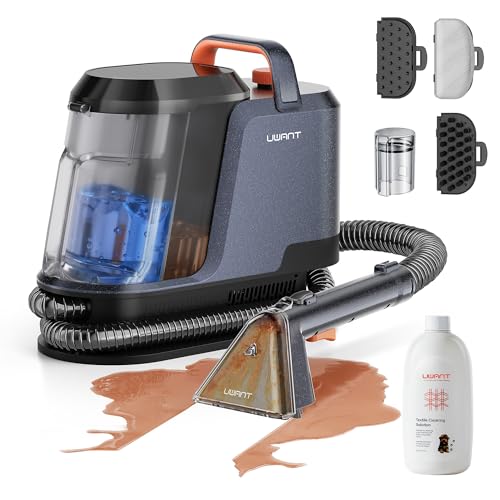


Finally, always consider consulting a professional cleaning service for the best results if the stains prove too challenging. Their expertise can be invaluable for maintaining the pristine condition of your upholstery.
Eliminating Stains from Upholstery
Utilize rubbing alcohol or hand sanitizer on a clean cloth to dab the affected area. Make sure to test on a hidden section first to ensure no discoloration occurs. Gently pat the stain without rubbing; this helps prevent spreading.
Utilizing Household Items
A paste made from baking soda and water can assist in lifting discoloration. Apply this paste, let it sit for 10 minutes, and then gently blot with a damp cloth. This natural solution can be effective, especially on lighter materials.
Professional Solutions
If home remedies fail, consider seeking professional cleaning services specializing in upholstery care. They often have access to specialized products and techniques designed for stubborn stains.
Identify the Type of Fabric
Begin by examining the surface closely. Natural fibers like cotton, linen, or wool often have a distinct texture, while synthetic materials such as polyester or nylon feel smoother. A simple burn test can help: natural fibers will produce ash, while synthetics will melt and emit a plastic smell. Check the care label, if available, for specific details regarding composition and cleaning methods.
If unsure about the material, perform a water drop test. A drop of water absorbed by the fabric indicates natural fibers, while water pooling suggests synthetics. Additionally, each type reacts differently to various cleaning solutions; knowing the composition helps avoid damage during treatment.
Using a small inconspicuous area, test any cleaning solution to observe reactions or color changes. This step is crucial for preventing further issues before tackling the marked spot. Being aware of the specific type allows for a tailored approach to cleaning, maximizing the chances of successful restoration.
Gather Necessary Cleaning Supplies
I recommend assembling a list of items before beginning the cleanup. You’ll need paper towels or clean cloths, which are essential for blotting and absorbing any liquid. A small bowl is helpful for mixing solutions. Ensure you have cotton swabs or soft brushes to reach narrow areas of the upholstered surface.
Choose a suitable solvent: rubbing alcohol works great for many materials, while dish soap and water can also be effective for gentle cleaning. An old toothbrush can assist in gently scrubbing the affected area. Don’t forget to hold a spray bottle on standby to apply any mixtures conveniently. Always check if any of these items are compatible with your specific upholstery.
Lastly, using gloves can protect your hands, preventing irritation from chemicals, and a test cloth or an inconspicuous area of the material should be prioritized for any solution before applying it directly where needed.
Test on an Inconspicuous Area
I suggest testing any cleaning method on a hidden section of the upholstery before applying it to the entire mark. This step is crucial to ensure that the fabric’s color and texture remain unaffected. Choose a spot that is less visible, such as the underside of a cushion or a seam. Apply a small amount of the cleaning solution using a cotton swab or cloth.
Assessment Process
After a few minutes, check for any color fading or damage. Blot with a dry cloth to observe how the fabric reacts. If there’s no adverse effect, it’s safer to proceed with the cleaning technique on the visible stain.
Potential Reactions
| Observation | Next Steps |
|---|---|
| No Discoloration | Continue with the cleaning method on the stain. |
| Color Fading | Choose a gentler approach or a different solution. |
| Texture Change | Discontinue use and seek professional advice. |
This careful approach safeguards the integrity of the material while effectively addressing the blemish.
Apply Cleaning Solution to the Ink Stain
I carefully selected a suitable cleaning solution based on the fabric type and my previous tests. Using a clean white cloth or a cotton ball, I gently applied the chosen solution directly onto the stain. I made sure to work from the outside edge of the mark inward to prevent spreading.
I allowed the cleaning agent to sit for a few minutes, giving it time to penetrate the fibers without saturating the material. Occasionally, I blotted the area with the cloth to lift the ink away, avoiding vigorous rubbing which might damage the surface or push the liquid deeper.
If the stain remained visible after the initial application, I repeated the process, using a fresh part of the cloth each time to avoid redepositing the ink. This method ensured that I was gradually lifting the discoloration without overwhelming the fabric with excess moisture.
Once I noticed significant improvement, I used a clean damp cloth to blot away any residue of the cleaning solution, followed by a dry cloth to absorb moisture. This last step helped in preventing water rings or mildew, maintaining the integrity of the material.
Blotting Techniques for Ink Removal
I recommend employing blotting rather than rubbing to tackle stains effectively. Here’s how to do it:
-
Start with a clean, dry cloth or paper towel.
-
Gently press the cloth onto the stained area, absorbing as much of the liquid as possible without spreading it.
-
After each blot, lift the cloth away from the surface to avoid pushing the pigment further into the material.
-
Continue blotting until no further discoloration transfers to the cloth.
For deeper stains, use a cloth dampened with your chosen cleaning solution, following the same blotting motion. It’s crucial to avoid excessive saturation to prevent damaging the underlying fibers.
To ensure the effectiveness of the technique, repeat the process as necessary, checking for improvement after each attempt.
Final Steps and Preventive Measures
After tackling the stain, I always ensure to thoroughly rinse the area with a clean, damp cloth. This helps to eliminate any remaining cleaner, preventing further damage to the material.
Next, I softly blot the spot with a dry cloth to absorb excess moisture, promoting quicker drying. Avoid using excessive pressure, as this can distort the texture.
Once the area is dry, I evaluate the affected spot. If the stain persists, I repeat the blotting process with my chosen cleaning solution, staying mindful of the fabric type.
For future protection, I apply a fabric protector spray to shield against similar incidents. This creates a barrier that can prevent liquids from penetrating the fibers, making cleanup simpler.
Additionally, I keep cleaning supplies handy for quick response to unexpected mishaps. Having detergents and soft cloths accessible reduces the time a stain sits, enhancing the chances of successful removal.
Regular inspections of my furniture help identify any issues before they escalate. Acting swiftly on minor spots enhances the longevity and appearance of the pieces.
- Avoid placing pens or markers on the furniture.
- Designate a spill-proof area for writing activities.
- Educate household members about the materials and their care.
FAQ:
What is the first step I should take to remove pen ink from fabric on my furniture?
The first step in addressing pen ink stains on your fabric furniture is to gently blot the stain with a clean, dry cloth. This helps absorb any excess ink without spreading it further. Avoid rubbing, as this can push the ink deeper into the fibers. Once you’ve blotted the stain, you can move on to using cleaning solutions.
Can I use common household items to remove ink stains from my furniture fabric? If so, which ones?
Yes, many household items can be effective in removing ink stains. Rubbing alcohol is a popular choice; apply a small amount to a cotton ball and dab it on the stain, working from the outside in. Other options include white vinegar and dish soap mixed with water. Always test any cleaning solution on a hidden area first to ensure it won’t damage the fabric.
How do I prevent ink stains from setting in my furniture fabric?
To prevent ink stains from becoming permanent, act quickly when a spill occurs. Blot the stain immediately and avoid letting it dry. Additionally, using a fabric protector spray can help create a barrier against spills and stains. Regular maintenance and cleaning can also minimize the chances of ink stains becoming a problem.
Are there any fabrics that are more resistant to ink stains?
Yes, certain fabrics are generally more resistant to stains, including synthetic blends like polyester or microfiber. These materials tend to repel liquids better than others, making them easier to clean. However, no fabric is entirely stain-proof, so prompt attention to spills is always advisable regardless of the material.
If the ink stain is still visible after cleaning, what should I do next?
If the stain remains after your initial cleaning attempts, consider using a commercial stain remover specifically designed for ink. Apply it according to the manufacturer’s instructions, and always test it on a small, hidden area first. If that doesn’t work, it might be wise to consult a professional upholstery cleaner, especially for delicate fabrics.


