
 Caleb Turner
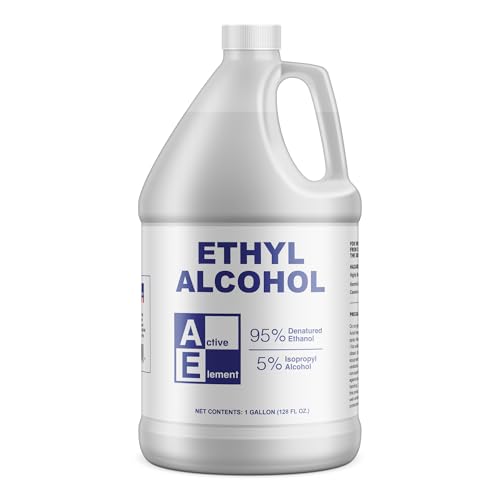
I recommend using denatured alcohol to strip the finish applied to your wooden piece. This solvent effectively breaks down the shellac while preserving the underlying wood. Apply a small amount to a soft cloth or sponge, and gently rub it over the surface. Ensure you work in small sections to avoid streaks or uneven patches.
Before starting, conduct a spot test on an inconspicuous area to confirm compatibility. Once the finish begins to soften, use a plastic scraper or putty knife to lift the dissolved layer cautiously. Avoid metal tools that can scratch the wood.


After all residue has been removed, wipe the area with a clean cloth dampened with water to eliminate any remaining solvent. Allow it to dry thoroughly before considering a new finish. This method not only helps to refresh the appearance of the wood but also opens up possibilities for a new style or finish to complement your decor.
Techniques for Eliminating Shellac Finish
Utilizing denatured alcohol is a highly effective technique. I apply it using a clean cloth, working in small sections to prevent excessive absorption. This approach softens the coating, allowing it to be wiped away easily without damaging the wood beneath.
Steps to Follow:
- Choose a well-ventilated area to work in to avoid inhaling fumes.
- Soak a cloth in denatured alcohol and gently rub it on the surface.
- As the finish begins to dissolve, use a scraper to lift away the softened layers.
- Wipe the area with a clean, dry cloth to eliminate residue.
- Repeat as necessary until the desired finish is achieved.
Alternative Method Using Chemical Strippers:
If denatured alcohol does not yield satisfactory results, consider employing a chemical stripper. It’s crucial to select a product specifically designed for varnishes and finishes.
- Apply the stripper with a brush, ensuring even coverage.
- Allow it to sit as per the instructions until the finish blisters or softens.
- Scrape off the loosened material using a plastic or wooden scraper to avoid scratches.
- Neutralize the surface with water or a specific neutralizing agent, depending on the stripper used.
- Dry thoroughly before proceeding with the refinishing process.
Protective gear is essential regardless of method. Gloves and a mask will safeguard against chemicals and dust particles. Ensure that the workspace is free of flammable materials, especially when handling alcohol or strippers. Proper preparation and execution lead to remarkable results and preserve the integrity of the wood.
Assess the Condition of the Furniture Before Starting
Before beginning any undertaking, I carefully examine the piece in question. I look for signs of damage such as cracks, warping, or delamination, which indicate the need for special care during the process. If the structure is unstable, I prioritize fixing these issues before proceeding.
Surface Examination
I inspect the surface closely for any discoloration or unevenness. This includes identifying areas with peeling, bubbling, or loss of sheen, as they can affect the technique I select for the task. Using my fingers, I gently feel for texture changes that may not be easily visible.
Original Finish Assessment
I determine the age and type of prior finish, as this can influence my approach. If the piece has multiple layers of coatings, I decide if a more gradual method will be necessary to avoid damage. Checking for any repair marks or previous refinishing can also provide insights about the integrity of the wood beneath.
After my thorough assessment, I feel confident that I can move forward with the next steps, ensuring I respect the character and craftsmanship of the item while preserving its history.
Gather Necessary Tools and Materials for the Process
Before proceeding, I ensure I have all tools at hand. A heat gun is invaluable for softening the finish, allowing for easier scraping. I pair it with a set of plastic scrapers to protect the underlying wood. Steel wool, preferably in fine grades, excels at refining the surface after the major layers are lifted.
Safety Equipment
Equipping myself with a high-quality mask prevents inhalation of any harmful particles, and safety goggles shield my eyes from debris. Gloves are non-negotiable to protect my hands from chemicals and sharp tools.
Cleaning Supplies
Gathering a selection of rags or cloths facilitates quick cleanup of residues and spills. I’m also prepared with a gentle solvent like denatured alcohol for final cleaning, ensuring the surface is pristine. Lastly, I keep a bucket of warm soapy water ready for rinsing materials afterward.
With these items, I feel prepared for tackling the task effectively and safely.
Select the Right Type of Solvent for Shellac Removal
Using the correct solvent significantly impacts the outcome of the stripping process. For the task at hand, denatured alcohol stands out as the most effective option. It dissolves the resin without damaging the underlying wood. Always ensure to choose high-quality denatured alcohol to enhance performance.
Another alternative is a commercial shellac remover, which is specifically formulated for this purpose. These products typically contain denatured alcohol, but can include additional agents for improved efficacy.
Turpentine can serve as a secondary choice, although its effectiveness might vary. It’s advisable to test a small, inconspicuous area first.
Make sure to avoid using solvents like mineral spirits or acetone, as they do not interact well with shellac and may cause unnecessary harm.
Here’s a comparison table summarizing solvent options:
| Solvent Type | Effectiveness | Recommended Use |
|---|---|---|
| Denatured Alcohol | High | Primary choice for shellac |
| Commercial Shellac Remover | High | Convenient option |
| Turpentine | Moderate | Alternative option |
| Mineral Spirits | Low | Avoid |
| Acetone | Low | Avoid |
Choosing the right solvent is critical to achieving the desired results. I recommend thoroughly researching and selecting a solvent tailored to the specific requirements of the task.
Test the Solvent on an Inconspicuous Area First
Before applying any liquid agent to the surface, I recommend checking its compatibility. Choose a hidden spot, like the bottom of a leg or the back of a drawer. This simple step helps to ensure that the finish won’t be adversely affected. Apply a small amount of the chosen liquid and let it sit for several minutes, preferably around five.
After waiting, gently wipe it off with a clean cloth. Inspect the spot for any discoloration, damage, or dissolving of the surface layer. If there are no negative effects, I feel confident to proceed. If any issues arise, it might be worthwhile to consider alternatives or dilution methods that could minimize harm while still achieving results.
Here’s a table summarizing key solvents and their testing recommendations:
| Solvent | Suggested Test Area | Observation Time |
|---|---|---|
| Denatured Alcohol | Back of a drawer | 5 minutes |
| Acetone | Bottom of a furniture leg | 5 minutes |
| Mineral Spirits | Inside corner | 5 minutes |
This methodical approach provides an added layer of protection, reducing the risk of unintentional damage during restoration efforts.
Apply the Solvent According to Manufacturer’s Instructions
Carefully follow the guidelines provided with the solvent. Each product comes with specific directions regarding application methods, drying times, and safety precautions. Ignoring these details can lead to insufficient results or damage.
Use the recommended amount of solvent to ensure that the surface is adequately treated. A brush or cloth can be utilized based on the instructions, allowing for even coverage.
Timing is critical; keep an eye on the manufacturer’s suggested waiting period. Applying too soon might not yield the desired effect, while waiting too long can cause additional complications.
Safety gear, such as gloves and goggles, should be worn as advised. Proper ventilation is also imperative, as some solvents release vapors that can be harmful. Be aware of any specific warnings or recommendations regarding exposure.
After waiting the advised time, gently test the area to see if the finish begins to lift. Use a putty knife or scraper as suggested to cautiously check. Avoid aggressive scraping, which can damage the underlying material.
If the finish does not respond as expected, consult the instructions again or consider trying another product, as different brands or formulations may vary significantly. Adjust your approach based on the solvent’s performance while adhering to the original guidelines.
Use Proper Techniques to Scrape Off the Old Shellac
For effective results, I recommend using a plastic scraper or a putty knife with a dull edge. Metal scrapers can damage the wood beneath the finish. Angle the scraper at approximately 30 degrees to the surface to maintain control and prevent gouging the material.
Steps to Follow
- Start at a corner or edge to get a feel for the surface.
- Apply gentle pressure; excessive force can cause scratches.
- Scrape in the direction of the wood grain for optimal results. This prevents further damage.
- Keep checking the progress frequently. This helps in assessing the amount you have removed.
- Change scraping angles if necessary, to accommodate curves or ornate details.
Cleanup and Maintenance
After each session, use a soft cloth to wipe away any debris or loose particles. This makes it easier to see areas that still have residue. Regularly inspect your tool edges; replace or sharpen them if they become dull. A well-maintained scraper makes the job smoother and more efficient.
Clean the Surface After Removal of Shellac
Begin by using a soft cloth dampened with mineral spirits to wipe down the surface. This process ensures any residues left behind by the solvent are lifted away. Be thorough; check corners and detailed areas where buildup may accumulate.
Rinse and Dry
After the initial cleaning, it’s crucial to rinse the area with a clean, damp cloth to eliminate any lingering solvent. Once rinsed, ensure to dry the surface properly to prevent moisture from seeping into the material.
Inspect for Imperfections
Once the surface is dry, inspect for any imperfections or uneven areas. Lightly sand those spots using fine-grit sandpaper to create a smooth finish. Always sand in the direction of the grain to maintain the integrity of the surface.
Assess the Wood for Damage After Shellac Removal
Immediately after completing the stripping process, I closely examine the wood for any imperfections or harm. Look for signs such as deep scratches, dents, or discoloration that may have been concealed by the previous finish. Use a fine-grit sandpaper to lightly rub over the surface, which can help reveal underlying issues that require treatment.
If I notice any cracks or splits, I assess their depth and impact. Minor fissures can often be filled with wood filler, while more severe damage might necessitate more intensive repairs like patching or even replacing sections of wood. This step is crucial to ensure that the restoration stays durable and visually appealing.
I also check for any water damage or warping, as these can affect the overall integrity of the piece. If the wood feels soft or spongy in certain areas, I determine whether those sections need replacement. It’s essential to address any moisture issues before proceeding with refinishing.
Should I find the surface is uneven after the removal, I will need to sand it further to achieve a consistent texture. Use a sanding block to ensure even pressure is applied across the entire surface. After sanding, I wipe down the piece with a damp cloth to eliminate any dust, which can hide potential flaws.
Finally, I take the time to consider the overall aesthetic. If any areas seem particularly charred or stained, I evaluate whether they can be corrected through additional sanding or if refinishing will be necessary to bring the piece back to its former glory. This thorough assessment is vital for successful restoration.
Prepare the Furniture for New Finish or Treatment
Before applying any new coating or treatment, ensure the surface is primed for the next step.
- Thoroughly inspect the area for any remaining residues, dust, or debris. Clean the surface using a soft cloth dampened with water or a gentle cleaner.
- Address any imperfections or blemishes by sanding lightly with a fine-grit sandpaper. Focus on creating a smooth, even surface for optimal adhesion.
- Consider whether any repairs are necessary. Fill in cracks or holes with wood filler and let it cure completely before proceeding.
- Check for any loose parts or joints, tightening them as needed. This ensures stability during the finishing process.
- If the piece is particularly valuable, consult a restoration expert for advice regarding specific treatments.
Taking these steps will significantly enhance the application of the desired finish, leading to a more polished final look.
FAQ:
What materials do I need to remove old shellac from furniture?
To remove old shellac from furniture, you will need several key materials: high-proof alcohol (like denatured alcohol or methylated spirits), soft cloths or rags, a paint scraper or putty knife, fine steel wool, and gloves to protect your hands. It’s also helpful to have a container for the used solvent and a well-ventilated workspace for safety.
Can I use vinegar or other household solutions to remove shellac?
Using vinegar or other common household solutions is not recommended for removing shellac. These solutions may not be effective and could potentially damage the wood beneath the shellac finish. High-proof alcohol is specifically designed to dissolve shellac and is much more efficient for this task.
Is it safe to remove shellac indoors?
Removing shellac indoors can pose safety risks due to the fumes from high-proof alcohol. It’s best to work in a well-ventilated area, preferably outdoors, or in a garage with open windows. Make sure to wear gloves and a mask to protect yourself from inhaling fumes. If you must do it indoors, ensure good airflow and consider using a fan or air purifier.
How do I know if my furniture has a shellac finish?
You can identify a shellac finish by looking for a warm, amber hue, often with a slight sheen. Additionally, you can conduct a simple test: apply a drop of alcohol on an inconspicuous area. If the finish softens or dissolves, it is likely shellac. Remember that shellac is often used on antique furniture, so if your piece is old, it may very well have a shellac finish.
What should I do after removing the shellac from my furniture?
After successfully removing the shellac, it is crucial to clean the surface thoroughly to remove any residual alcohol and shellac particles. Use a damp cloth to wipe down the furniture, then let it dry completely. Once dry, you can decide if you want to refinish the furniture with a new coat of shellac or another type of finish like oil or paint, depending on your desired look.


