
 Caleb Turner
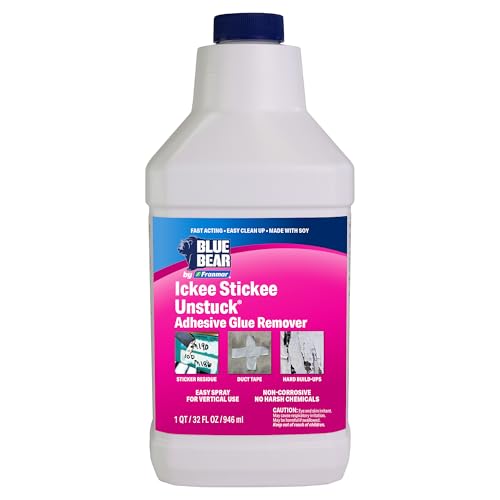
To tackle the persistent residue left behind by adhesive labels, I recommend beginning with a gentle approach. Combine equal parts white vinegar and water in a spray bottle. Spray the solution directly onto the remaining adhesive and let it sit for several minutes to soften it. This method not only helps loosen the grip of the residue but is also safe for your wooden surfaces.
Once the adhesive has softened, use a plastic scraper or an old credit card to gently lift the residue without scratching the wood. Work slowly and carefully, applying additional solution as needed to maintain moisture. If any stubborn bits remain, repeat the process until the surface is clean.
For added effectiveness, consider using a small amount of olive oil or cooking oil on a cloth to rub away any lingering stickiness. This alternative can be particularly helpful for delicate finishes, as oils provide a gentle but thorough cleaning method.


Finally, wipe the area with a clean, damp cloth to remove any greasy residue from the oil or vinegar solution. Always test any cleaning method on an inconspicuous area first, ensuring the finish of your piece remains untouched.
Assessing the Type of Sticker and Adhesive Used
Identifying the sticker and its adhesive is crucial for a successful extraction process. Begin by examining the sticker’s surface. If it’s glossy, it may use a strong, permanent adhesive. A matte finish usually indicates a weaker glue, making it easier to peel off. Look for any edges that might have lifted slightly; this can provide insight into the sticker’s condition and adhesive strength.
Next, determine if the sticker is paper-based or vinyl. Paper stickers often use less aggressive adhesives, while vinyl products may be designed for durability and weather resistance, requiring more effort to detach. Gently testing a corner can help assess how firmly it adheres to the surface.
For those confident in their observations, conducting a small test with a corner lift can indicate which method might work better. If it peels away smoothly, the adhesive is likely mild. If it resists, expect a tougher process ahead. Consider the age of the sticker, as older adhesives tend to dry out and become more challenging to manage.
Choosing the Right Removal Method for Wood Surfaces
For a successful approach to getting rid of unwanted adhesive remnants, I evaluate the compatibility of various techniques with the particular finish of the surface. Chemical solvents such as rubbing alcohol and acetone work well on varnished surfaces, but I must test them on a hidden area to ensure they won’t damage the finish. If the wood is untreated, gentle scrubbing with soap and water after softening the adhesive suffices.
Another effective method involves using heat. A hairdryer on a low setting can soften the adhesive, making it easier to peel off. Careful application ensures that the heat does not warp the wood.
If I face stubborn residues, a mixture of baking soda and coconut oil provides a natural abrasive that assists in lifting the adhesive. I apply it generously, let it sit, and then gently scrub until the area is clean.
Always keep in mind the grain of the wood when choosing a tool for scrubbing. I prefer soft cloths or plastic scrapers to prevent scratches. The right approach prioritizes the integrity of the surface, ensuring my restoration efforts yield positive results.
Preparing the Workspace to Avoid Damage
Clear the area surrounding the piece to provide ample space for maneuvering. This minimizes the risk of accidental nicks and scratches on adjacent surfaces.
Use a soft, clean cloth to cover the immediate work area. This protects against potential scratches while you handle tools and materials. Ensure the cloth is free from any debris that could cause marks.
Gather necessary tools and supplies for the task, including:
- Plastic scraper or credit card
- Heat source (like a hairdryer)
- Adhesive remover or rubbing alcohol
- Soft cloth or sponge
- Protective gloves to avoid skin irritation
Ventilate the area by opening windows or using a fan, especially if employing chemical solvents. Fresh air reduces inhalation risks and creates a safer environment.
Finally, inspect the furniture for any existing damage before starting. Identifying compromised areas allows for careful handling throughout the process.
Using Heat to Loosen Sticker Adhesives
Applying heat is an effective technique for loosening adhesive materials stuck on surfaces. I often utilize a heat gun or a hairdryer for this purpose. Setting the device on a low setting, I direct the warm air a few inches away from the area, moving it back and forth to avoid overheating any specific spot.
Steps to Follow
- Ensure the setting on your tool is low to prevent damage.
- Hold the device a few inches above the adhesive, allowing heat to penetrate without scorching the surface.
- Work the heat into the sticker for 20-30 seconds, watching for the edges to begin lifting.
- Gently peel the material away using a plastic scraper or your fingers once it feels warm.
Safety Tips
- Always test in an inconspicuous area to check for any potential adverse reactions.
- Wear heat-resistant gloves if necessary to avoid burns.
- Maintain good ventilation in the workspace to dissipate any fumes generated.
This technique not only facilitates easier extraction but minimizes the risk of leaving behind residue. A steady hand and patience go a long way in achieving a clean finish.
Applying solvents and commercial adhesive removers
I recommend testing a small, inconspicuous area before applying any solvent or adhesive remover to ensure compatibility with the surface. Common choices include rubbing alcohol, acetone, or commercial adhesive removers specifically formulated for delicate finishes.
When using solvents, saturate a cotton ball or soft cloth and gently dab the adhesive, allowing it to sit for a minute to soften the residuals. Avoid vigorous scrubbing as it may damage the finish. After the adhesive loosens, use a plastic scraper to gently lift away the softened residue.
For commercial products, follow the manufacturer’s instructions carefully. These solutions often work quickly, requiring minimal effort. Apply the remover, let it sit as directed, and then wipe clean with a soft cloth. Make sure to use ventilation as some products emit strong fumes.
Here is a comparison table of common solvents and their characteristics:
| Solvent | Effectiveness | Instructions |
|---|---|---|
| Rubbing Alcohol | Moderate | Apply with a cloth, let it sit, then scrape. |
| Acetone | High | Saturate cloth, dab, wait, and gently scrape. |
| Commercial Remover | Varies | Follow product guidelines for best results. |
After treatment, clean the area with a damp cloth to remove any remaining residues. This will help maintain the integrity and appearance of the surface.
Scraping Techniques to Avoid Scratching the Wood
Using a plastic or silicone scraper is my preferred method for tackling tough adhesive residues on delicate surfaces. These materials are gentle enough to mitigate the risk of gouging or damaging the finish while effectively lifting off remnants. Ensure the scraper’s edge is smooth and clean to prevent unintended blemishes.
Angle and Pressure Management
Maintain a low angle when scraping to reduce friction and enhance control. Applying light pressure allows me to work slowly, assessing how the adhesive responds without forcing the scraper too hard against the surface. It’s crucial to keep the angle consistent to prevent uneven pressure, which could lead to scratches.
Test a Small Area
Before proceeding with the entire surface, I always test my scraping technique on a less visible area. This practice helps verify that the method doesn’t compromise the finish or create surface imperfections. If the test area shows any signs of damage, I adjust my approach accordingly, opting for softer tools or alternative methods.
Cleaning the Surface After Sticker Removal
I recommend using a soft, damp cloth with mild soap to wipe the area where the adhesive was located. It effectively removes any residue that the previous methods might have left behind. Make sure to rinse the cloth thoroughly and tackle stubborn spots with gentle circular motions.
If soap and water are insufficient, try a mixture of equal parts vinegar and water. This natural solution can help break down remaining adhesive particles without harming the finish of the surface. Apply it with a clean cloth, allowing a few minutes for the solution to penetrate before wiping it away.
In case of persistent stains or cloudiness, consider using a dedicated wood cleaner that is compatible with the finish. Always perform a patch test on a discreet area to ensure there are no adverse reactions. Follow the manufacturer’s instructions for application to restore shine and clarity.
After the cleaning process, it’s wise to apply a wood polish or conditioner to nourish the surface and enhance its appearance. This step can help address any dryness that might have occurred during the removal and cleaning procedures.
Regular maintenance with suitable products will keep the furniture looking its best and protect it from future adhesive issues. Remember to always use soft cloths to avoid scratches during cleaning.
Preventing Future Sticker Residue on Wood Surfaces
To keep adhesives from sticking in the future, consider using a protective surface coating. A wax or polyurethane finish can create a barrier that makes it easier to clean up any adhesive residues that may occur over time.
Choose stickers that are designed for easy removal. Many brands now offer decals that don’t leave behind a residue, ideal for temporary use.
Utilizing Caution During Application
Apply stickers with care. Position them first without pressing down fully, allowing for adjustments. Once satisfied, press down firmly to ensure a secure yet removable bond.
Regular Maintenance Practices
Incorporate routine cleaning into your maintenance schedule. Use a mild cleaner that’s safe for finishes; this will help prevent any adhesive from hardening or bonding too strongly to the fibers of the wood.


