
 Caleb Turner
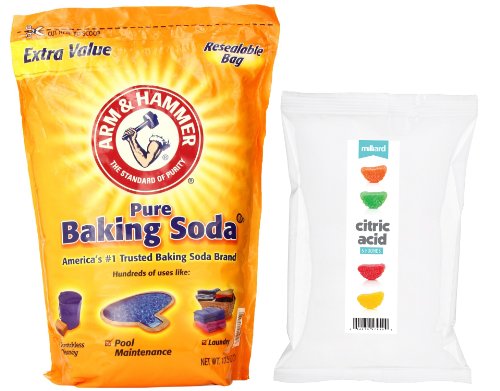
To tackle the issue of unpleasant odors in vintage timber, I often utilize a simple solution involving baking soda. Just sprinkle a generous amount of it onto the affected surfaces and allow it to sit for several hours or overnight. The baking soda will absorb the unwanted odors effectively.
Additionally, white vinegar serves as another powerful ally in this endeavor. I prepare a mixture of equal parts vinegar and water in a spray bottle, lightly mist the surfaces, and then wipe them down with a microfiber cloth. This method not only neutralizes the odor but also offers a thorough cleaning.
For a more natural approach, I recommend placing activated charcoal or cedar blocks inside drawers and on shelves. These materials help to capture lingering scents naturally over time. Replacing them periodically ensures long-lasting freshness.


Lastly, ensuring proper ventilation is key. I often leave the piece in a well-ventilated area for a few days to allow fresh air circulation, which aids in dissipating stubborn fragrances. Combining these techniques guarantees a clean and pleasant atmosphere in your cherished vintage items.
Removing Unpleasant Odors from Vintage Wood Pieces
Mentioning activated charcoal directly addresses odor issues. Placing bowls of activated charcoal in drawers or on surfaces absorbs unwanted scents effectively. Rotate the charcoal every few weeks for best results.
Baking Soda Technique
Sprinkling baking soda in compartments and leaving it to sit overnight is another practical solution. It neutralizes odors and can be vacuumed up afterward, leaving a fresher environment. Repeat this process if necessary until the desired freshness is achieved.
Essential Oil Method
<p.Utilizing essential oils, like tea tree or lavender, can create a pleasant aroma. Dilute a few drops in water and spray lightly on surfaces. This not only masks unpleasant odors but also adds a refreshing scent. Always test on a small area first to avoid damage.
Identify the Source of the Odor
Investigate areas where moisture might have accumulated. Check hidden spots, such as inside drawers, behind panels, and at the joints of the structure. Look for signs of mold or mildew on the surface and under layers of varnish.
Inspect cushions, upholstery, and any fabric components for dampness or discoloration. Remove any fabric to air it out and assess for any trapped humidity.
Evaluate the environment in which the item is kept. Consider humidity levels and whether the area is well-ventilated. A humid space can exacerbate odors, indicating that relocating the piece might be beneficial.
Ensure that no external factors, like nearby water sources or poorly sealed windows, are contributing to the issue. Addressing these can greatly assist in finding the root of the problem.
Use an odor-testing kit to pinpoint specific areas that may harbor bacteria or fungi, helping to identify the most affected sections needing attention.
Clean the Surface with Mild Soap and Water
I recommend using a mixture of mild soap and water to clean the surfaces. First, gather a soft cloth or sponge and a gentle detergent. Dilute a small amount of soap in a bowl of warm water. Ensure the solution is not too soapy, as excess suds can leave residues.
Gently wipe down the surfaces in the direction of the grain. This technique helps avoid scratches and damage. Focus on areas where the odor emanates, applying light pressure to lift any dirt and grime trapped in the finish.
Rinse Thoroughly
After cleaning, it’s crucial to remove any soap residue. Dampen another clean cloth with plain water and wipe the surfaces again. This step ensures no film remains, which could attract more dirt in the future.
Dry Completely
After rinsing, thoroughly dry the surfaces with a separate dry cloth to prevent moisture from seeping into the material. Excess water can lead to further issues down the line.
- Use a soft cloth to avoid scratches.
- Apply light pressure while cleaning.
- Always rinse and dry completely.
This cleaning method not only helps eliminate residues but also prepares the surfaces for further treatments, enhancing their overall aesthetic and longevity.
Use Baking Soda to Absorb Odors
I found that using baking soda is a straightforward approach to eliminate unpleasant scents trapped in antique pieces. Simply sprinkle a generous amount of baking soda directly onto the surface and within any crevices. Let it sit for at least 24 hours to absorb the unwanted aromas effectively.
For larger items, such as cabinets or wardrobes, fill small cloth bags with baking soda and place them inside. The powder acts as a natural deodorizer, neutralizing the unwanted air quality over time. Remember to check and replace the baking soda every few weeks until the air is refreshed.
Cleaning After Absorption
Once the baking soda has absorbed the unwanted scents, gently vacuum or wipe off the powder using a damp cloth. This helps in restoring the original look without any residue left behind.
Combining Methods
I also discovered that pairing baking soda with other deodorizers, such as activated charcoal or vinegar, can enhance the results. Experimenting with these combinations can yield quicker outcomes, especially for particularly stubborn odors.
Apply Vinegar Solution for Deep Cleaning
I mix equal parts of white vinegar and water in a spray bottle. I then apply this solution directly onto the affected areas of my vintage pieces. The acidity of vinegar effectively neutralizes odors while also lifting any accumulated grime. I lightly mist the surface without soaking it, ensuring the wood does not warp.
After applying the solution, I let it sit for a few minutes to penetrate the material. Then, I take a soft cloth and gently wipe down the surface to remove the vinegar solution and any debris. I make sure to dry the wood thoroughly with another clean cloth to avoid moisture retention.
Optional – Adding Essential Oils
If I want to enhance the cleaning effect and add a pleasant scent, I add a few drops of essential oil, like lavender or tea tree oil, to the vinegar mixture. This not only helps to mask any lingering odors but also provides additional antibacterial properties.
Final Touch
I always finish the cleaning process by applying a light coat of furniture polish or beeswax. This restores the shine and adds a protective layer to keep my antique pieces looking their best.
Consider Essential Oils for Fresh Scent
Utilizing essential oils can infuse your vintage pieces with a refreshing aroma. I often rely on a few key oils known for their pleasant scents and natural antifungal properties.
Recommended Oils
| Essential Oil | Benefits |
|---|---|
| Tea Tree Oil | Known for its antimicrobial properties, this oil can help eliminate odor-causing bacteria. |
| Lavender Oil | Offers a calming fragrance while also providing antiseptic qualities. |
| Lemon Oil | Has a fresh scent with natural antibacterial effects, making it great for deodorizing. |
| Eucalyptus Oil | Fresh and invigorating, it also acts as a natural disinfectant. |
| Pine Oil | Brings an outdoorsy aroma and possesses natural antimicrobial properties. |
To apply, mix a few drops of your chosen oil with water in a spray bottle. Lightly mist the surfaces of your pieces, avoiding saturation. Allow time for the oil to dry, enhancing the scent while combating unwanted odors.
Ensure Proper Ventilation During the Process
Good airflow is essential during restoration. Open windows and doors to maximize fresh air circulation. If possible, position a fan to promote movement throughout the space. The aim is to reduce humidity and prevent further odor accumulation.
Steps to Enhance Airflow
- Open all available windows to create cross-ventilation.
- Utilize fans to help push stale air out and draw in fresh air.
- Consider using a dehumidifier to lower humidity levels in the area.
Timing is Key
Always allow adequate time for the furniture to aerate. Leaving pieces in a well-ventilated space for several hours or even days can significantly facilitate odor dissipation. Avoid covering the items during this process, as it may trap moisture and lead to further issues.
Maintain Regular Care to Prevent Future Odors
I clean and maintain my vintage pieces regularly to prevent unpleasant scents from returning. A simple weekly dusting with a microfibre cloth keeps the surfaces dry and minimizes moisture accumulation, which can lead to unwanted aromas.
I also ensure to apply a coat of furniture polish or beeswax about every three to six months. This not only enhances the finish but also creates a barrier against moisture and dirt, which can trap odors over time.
Monitor Humidity Levels
To keep my space fresh, I use a hygrometer to track humidity levels. Ideally, I aim to keep indoor humidity between 30% and 50%. If levels rise too high, I employ a dehumidifier to promote a drier environment that is less favorable for musty scents.
Rotate and Air Out Items
I periodically rotate items placed inside drawers or on shelves, allowing air circulation to reach all corners. Every few months, I take out items and air them out to refresh their scent. This simple step helps in maintaining an overall pleasant ambiance in my living space.


