Caleb Turner

The immediate step I take is to mix a ratio of equal parts white vinegar and water in a spray bottle. This solution, when gently applied, can work wonders on those unsightly spots. A soft cloth dampened with this mixture helps lift the residue without damaging the surface.
Next, I opt for baking soda. Creating a paste by combining baking soda with a small amount of water is another reliable method. Applying this paste to the afflicted area and letting it sit for a few minutes before gently scrubbing with a microfiber cloth can significantly reduce the visibility of those marks.
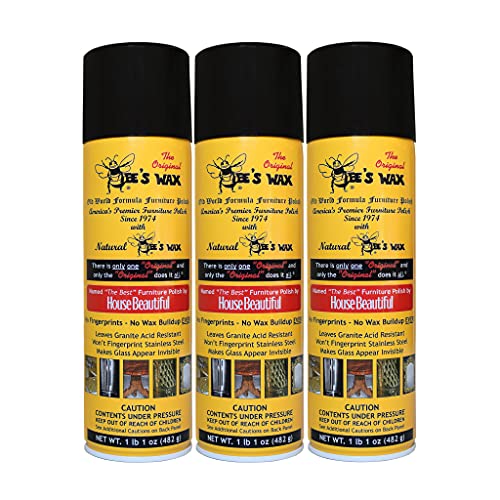
After treatment, ensuring a thorough wipe with a dry cloth is key to avoiding moisture damage. Finishing up with a quality furniture polish not only enhances the shine but also adds a layer of protection against future spills. By implementing these techniques, I’ve consistently achieved impressive results.
Understanding the Cause of Milk Stains
The primary issue arises from the interaction between the proteins and fats in dairy products and the finishes on surfaces. These substances can leave behind residues that penetrate the outer layer of the coating.


When these liquids spill, they can create a reaction that results in discolored patches, especially if not addressed quickly. The finish on the item may not be resistant to moisture, allowing a combination of the liquid and air exposure to transform the appearance of the surface.
Environmental factors, such as humidity and temperature, also play a significant role. Higher moisture levels can further exacerbate the absorption of these substances, leading to more significant discoloration and requiring additional attention.
In addition, the type of protective layer used on the table can greatly impact how it reacts to spills. Oil-based finishes, for instance, might not repel moisture as effectively as polyurethane or lacquer coatings, leaving them prone to damage from organic materials.
Understanding these aspects helps in choosing the right cleaning solutions and methods to tackle the aftermath of spills effectively.
Gathering Necessary Cleaning Supplies
I recommend gathering a few key items before tackling the issue. Begin with absorbent cloths or paper towels for blotting and wiping. Choose a soft, lint-free cloth to prevent further damage to the surface.
For solution preparation, grab distilled water and white vinegar. A small bowl or container is useful for mixing the cleaning agent. If preferred, a few drops of mild dish soap can be added for enhanced cleaning ability.
Consider having a soft-bristled toothbrush on hand to gently buff out any residual blemishes without scratching the surface. Finally, a quality wood polish or wax can be beneficial for restoring shine after cleaning.
Having rubber gloves protects your hands from chemicals and keeps the process hygienic. Once equipped with these supplies, you’ll be ready to address the blemish effectively.
Testing Cleaning Solutions on a Hidden Area
I advise checking any cleaning solution on a discreet spot before applying it broadly. Select an inconspicuous area, like the underside of a table or a back panel, where potential damage won’t be noticeable.
Apply a small amount of the cleaner using a soft cloth, taking care not to saturate the wood. Allow it to sit for a few minutes. Afterward, gently wipe it away and inspect the area for any adverse reactions, such as discoloration, warping, or changes in texture.
If the hidden area shows no negative effects, proceed with confidence. If there are signs of damage, reconsider the solution and look for a gentler alternative. Prioritizing this test helps to preserve the integrity of your valuable pieces while still addressing persistent blemishes.
Applying Oil-Based or Water-Based Cleaners
For treating discoloration, the choice between oil-based and water-based cleaners directly impacts the approach. Oil-based options penetrate deeper and nourish the finish but may require additional buffing. Water-based cleaners are less potent but safer for untreated surfaces and easier to wipe off.
Oil-Based Cleaners
Oil solutions are ideal for those who seek to revitalize the original sheen while addressing discoloration. I recommend using a product that contains lemon oil or mineral oil. These not only combat the problem but also enhance the natural luster of the surface.
Water-Based Cleaners
Water-based formulations are preferable for routine maintenance and are less likely to compromise the finish. Look for a solution labeled as safe for sealed surfaces. Common household items like diluted vinegar or mild dish soap mixed with water can also serve as effective options.
| Type of Cleaner | Pros | Cons |
|---|---|---|
| Oil-Based | Pentrates deeper; nourishes finish | Longer drying time; requires buffing |
| Water-Based | Quick drying; easy clean-up | May require multiple applications; less effective on deep issues |
Select the type that aligns with your specific needs. Experiment with small amounts initially to see how your piece reacts, ensuring you achieve the best results without damaging the surface.
Using Baking Soda for Stubborn Stains
Baking soda serves as an excellent choice for tackling persistent blemishes on surfaces. It’s a natural abrasive that can effectively lift discoloration without causing damage.
Preparation Steps
- Combine a quarter cup of baking soda with a few tablespoons of water to form a paste.
- Ensure the mixture is thick enough to stay in place on the affected area.
- Apply it gently with a soft cloth or sponge, avoiding excessive pressure that could scratch the finish.
Application and Rinse
Allow the baking soda paste to sit undisturbed for 10-15 minutes. This duration enables its cleaning properties to penetrate the soiled area. Afterward, dampen a clean cloth with warm water and wipe away the paste. Ensure all residues are eliminated by rinsing the cloth several times.
Inspect the area for any remaining signs. If blemishes persist, I recommend repeating the process until the desired results are achieved. Always finish with a dry cloth to avoid moisture damage.
Polishing the Wood After Cleaning
Once I’ve successfully tackled the issue, I always make it a point to polish the surface. This restores the natural luster and adds a protective layer. I opt for a high-quality wood polish or furniture wax that matches the finish of the surface. It’s essential to apply it gently with a soft cloth, moving in the direction of the grain.
Buffing Technique
I personally find that a circular motion works well for even coverage during application. After applying the polish, I allow it to settle for a few minutes. Then, buff the surface with a clean, dry cloth to achieve a shiny, smooth finish.
Maintaining the Finish
Regular upkeep is key to preserving the appearance. I create a schedule to polish the surface every few months. This not only enhances the look but also helps in protecting against future damage.
Preventing Future Milk Stains on Wood Furniture
To safeguard surfaces, place coasters under beverages, especially when serving dairy products. This simple barrier minimizes direct contact, significantly reducing the risk of damage.
Regularly condition surfaces with a suitable product to create a protective layer. A high-quality wax or polish not only enhances appearance but also provides a shield against spills.
Implement a quick clean-up strategy after any accidental spills. The sooner the area is addressed, the less likely it is that any residue will seep into the finish.
Consider utilizing trays for drinks and meals. By confining items to designated areas, I can avoid accidents that may occur during gatherings or daily activities.
Educate household members about the importance of careful handling of beverages around surfaces. This awareness plays a vital role in maintaining furniture integrity.
Finally, ensure that furniture is placed away from high traffic zones to minimize accidental bumps or spills, contributing to long-term preservation.