
 Caleb Turner

Mix equal parts of white vinegar and water in a spray bottle. Spray the solution on the affected surfaces generously, ensuring all areas are covered. Allow it to sit for at least 30 minutes; this will help in breaking down the unwanted growth.
Next, grab a soft-bristle brush or a sponge, and gently scrub the surfaces. Focus on areas where the buildup appears thick. Rinse thoroughly with a garden hose to wash away any remnants of the vinegar solution. This step not only eliminates the unsightly greenish patches but also prevents future regrowth.
If stubborn stains persist, consider creating a paste with baking soda and water. Apply it directly to the problematic spots, then scrub after a few minutes. This method is great for tackling tough spots without damaging your valuable items. After scrubbing, rinse well to keep your outdoor space looking fresh and inviting.
Eliminating Fungi Buildup on Garden Pieces
Utilize a mixture of water and white vinegar, in equal parts, to effectively treat unwanted growths. Apply the solution directly to the affected surfaces and let it saturate for approximately 30 minutes. Afterwards, scrub the area with a stiff brush to dislodge the remains and rinse thoroughly with clean water.

Additional Methods
Alternatively, a baking soda paste can be beneficial. Combine baking soda with a small amount of water to form a thick paste. Spread this paste over the areas with the troubling growth. Allow it to sit for about 15-20 minutes, then scrub with a brush, and rinse off completely.

Preventive Measures
To maintain the cleanliness of your patio items, consider using protective covers when not in use. Regularly clean the surfaces with a damp cloth to prevent the accumulation of moisture, which fosters growth.
| Method | Ingredients | Duration |
|---|---|---|
| Vinegar Solution | Water, White Vinegar | 30 minutes |
| Baking Soda Paste | Baking Soda, Water | 15-20 minutes |
Identify the Type of Lichen on Your Furniture
Begin with a close inspection of any discoloration or texture changes on the surfaces. This is the key to understanding the specific species you’re dealing with. Be observant for green, gray, or white patches, which can indicate different types of growth. For example, greenish hues may suggest a moisture-loving variant, while white or gray might point to a more resilient form.
Visual Characteristics
Take note of the growth pattern. Foliose lichen often appears leaf-like, while crustose forms seem tightly adhered, resembling paint. If you spot a powdery texture, it likely belongs to the leprarioid category. Identifying these features can guide your approach to treatment.
Location and Environment
Consider the surrounding environment. Species thrive in different climatic conditions. Damp, shaded areas typically harbor moisture-dependent types. Alternatively, those found in sunnier spots might be more drought-resistant. Understanding their habitat assists in predicting how to tackle them effectively.
Gather Necessary Cleaning Supplies
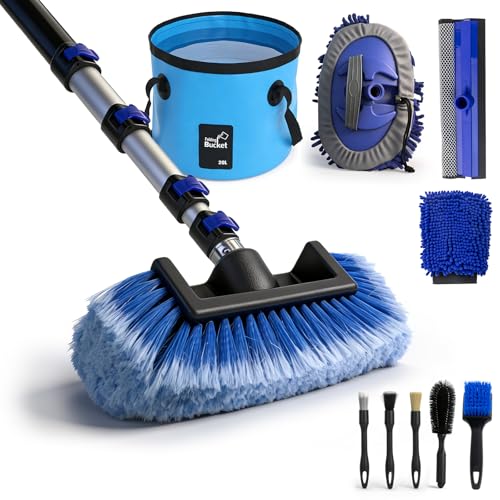
I recommend assembling the following items before beginning the cleaning process:
- Stiff brush: A sturdy bristle brush will aid in scrubbing away debris effectively.
- Soft cloths: Use microfiber or cotton cloths for wiping down surfaces post-cleaning.
- Protective gloves: Keep your hands safe with a good pair of gloves, especially when using chemicals.
- Bucket: A container will be useful for mixing solutions or rinsing brushes.
- Garden hose: Ideal for rinsing off residue and cleaning the surrounding area.
- Spray bottle: A convenient tool for applying cleaning solutions directly to spots.
- Baking soda or vinegar: These natural agents work well for stain removal and are eco-friendly options.
- Commercial cleaner: If preferred, select a cleaner that targets specific growth types effectively.
Having these supplies ready will enhance the efficiency of the task ahead.
Prepare a Cleaning Solution for Lichen Removal
I recommend mixing a solution that effectively tackles unwanted growth on surfaces. Combine one part white vinegar with one part water. This natural mixture can help break down the stubborn organisms.
For more potent results, consider using a bleach solution. Mix one cup of bleach with one gallon of water. Ensure proper ventilation when using bleach, and wear protective gear such as gloves and a mask.
- 1 cup of bleach
- 1 gallon of water
Before applying either solution, test it on a small, inconspicuous area to avoid damaging the finish of your item. Let it sit for about 15 to 20 minutes to allow the solution to penetrate and loosen the unsightly growth.
As an alternative, store-bought cleaners specifically designed for outdoor surfaces are available. Always follow the manufacturer’s instructions for best results.
Apply the Cleaning Solution on Affected Areas
I directly apply the prepared cleaning mixture to spots on the surfaces where growth is visible. Utilizing a spray bottle allows for an even distribution, preventing excessive soaking while ensuring comprehensive coverage. I make sure to spray liberally but avoid creating puddles, which can lead to damage.
Thorough Coverage
I focus especially on crevices and grooves, as these areas harbor stubborn growth. For larger sections, I use a soft-bristled brush dipped in the solution to scrub gently, ensuring that the mixture penetrates the porous materials without causing abrasion.
Let it Sit
<p.After applying the cleaner, I allow it to remain on the surfaces for 10 to 15 minutes. This duration provides enough time for the active ingredients to break down the unwanted growth. I monitor the areas, ensuring the solution does not dry out completely, as this can diminish its efficacy. If necessary, I reapply sparingly to keep the surfaces moist.
Scrub the Surface Gently to Eliminate Unwanted Growth
Utilizing a soft-bristled brush, I meticulously scrub the affected areas in circular motions. This method ensures that the delicate materials of the item are preserved while effectively addressing the issue.
Here are specific steps I follow:
- I start at one corner and work my way around, preventing missed spots.
- Applying light pressure, I keep the brush moving to avoid damaging the surface.
- If stubborn spots are present, I may pause to apply a bit more cleaning solution and let it sit for a couple of minutes.
Occasionally rinsing the brush under water helps remove accumulated debris, allowing for a more thorough cleaning process.
After scrubbing, I rinse the surface thoroughly with clean water to eliminate any residual cleaner and loosened debris. This is crucial to prevent any potential staining or damage.
Finally, I dry the area completely with a soft cloth to prevent moisture accumulation, which can attract more growth.
Rinse and Dry the Furniture Thoroughly
Once I have applied the cleaning solution and scrubbed away the unwanted growth, the next critical step is rinsing the surface completely. I use a hose with a spray nozzle to ensure water reaches all areas, washing away any residue from the cleaning agent. It’s crucial to direct the water forcefully without damaging the surface finish.
Ensure Complete Removal of Residue
After rinsing, I inspect the furniture for any leftover traces of the cleaning mixture. If necessary, I repeat the rinsing process. Attention to detail here prevents any potential damage to the furniture over time. I avoid just a quick rinse; a thorough wash ensures the integrity of the materials used.
Drying the Surface
I then take a clean, dry cloth or towel to wipe the surface before letting it air dry. If it’s sunny outdoors, I make good use of natural heat, which speeds up the drying process. Drying is vital, as moisture can lead to new growth if not adequately dissipated. I always double-check that every nook and cranny is dry to maintain the longevity of my patio pieces.
Prevent Future Lichen Growth on Outdoor Furniture
I recommend keeping furniture in well-ventilated areas. Adequate airflow reduces moisture accumulation, discouraging moss and similar growths. Ensure that items are not placed under trees or near damp shrubs, as such locations foster humidity.
Applying a protective sealant is advisable. A high-quality outdoor sealant creates a barrier against environmental elements. This barrier not only protects the surface but also simplifies future cleaning processes.
Consider using breathable fabric covers when pieces are not in use. These can shield against moisture while allowing airflow, minimizing the risk of fungal development. Regularly cleaning these covers is also critical to avoid cross-contamination.
Regular Maintenance and Inspection
Schedule frequent inspections. Check for any signs of growth and handle them promptly. Even minor blemishes can quickly develop into more significant issues. A gentle brush every few weeks can help keep surfaces clear.
I also suggest maintaining a clean surrounding area. Remove debris such as leaves or dirt that can trap moisture near the furniture. A tidy space limits the amount of organic material that supports undesirable growth.
Monitor Environmental Conditions
Pay attention to local weather patterns. High humidity can increase the risk of issues; consider relocating furniture temporarily during particularly wet seasons. Whenever possible, arrange items in direct sunlight, as sunlight helps to dry surfaces faster and prevents dampness.
Implement these preventive measures consistently, and you will significantly reduce the chances of encountering unwanted growth on your treasured pieces.
FAQ:
What are some natural methods to remove lichen from patio furniture?
There are several natural methods to effectively remove lichen from patio furniture. One common approach involves mixing vinegar and water in equal parts and applying the solution to the affected areas. Let it sit for about 15-20 minutes before scrubbing with a soft brush. Alternatively, you can use a baking soda paste (mixing baking soda with a little water until it forms a thick consistency) to gently scrub the lichen away. Make sure to rinse thoroughly after cleaning to prevent any residue from lingering.
Is it necessary to use chemical cleaners for lichen removal?
No, chemical cleaners are not strictly necessary for lichen removal. While some commercial products are available and may work quickly, many natural solutions can be just as effective without the harsh chemicals. Using vinegar, baking soda, or even a pressure washer on low settings can be effective alternatives. Always consider the material of your furniture when deciding on the cleaning method to avoid any damage.
How can I prevent lichen from returning to my outdoor furniture?
To prevent lichen from returning to outdoor furniture, ensure that your furniture is adequately ventilated and kept dry. Regular cleaning can also help, as removing dirt and moisture reduces the chances of lichen growth. Applying a protective outdoor sealant can create a barrier against moisture and inhibit lichen development. Additionally, positioning your furniture in a sunnier spot can deter lichen since it thrives in damp, shaded environments.
What tools do I need to effectively clean lichen off my outdoor furniture?
The tools you will need to clean lichen from outdoor furniture include a soft-bristled brush or sponge, a bucket for mixing cleaning solutions, and optionally a pressure washer for more stubborn cases. If you choose to use a vinegar solution, a spray bottle can be handy for easier application. Make sure to have a hose or access to water for rinsing after cleaning. Wearing gloves can also protect your hands during the cleaning process.


