
 Caleb Turner

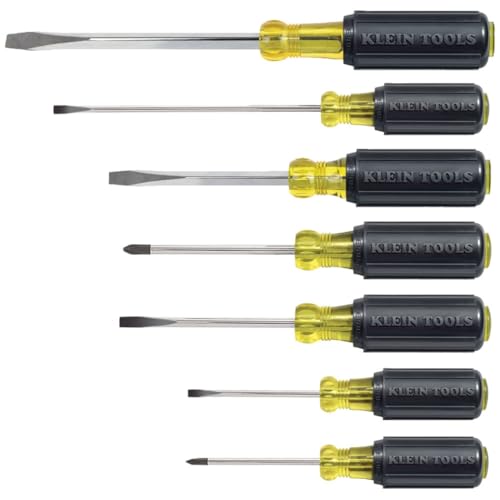
For a straightforward disassembly of the joining mechanism, I found that using a flathead screwdriver is the most effective approach. Position the screwdriver in the slot of the assembly and gently pry it away from the wood panel. A firm yet careful force can prevent any damage to the surrounding area.
Next, inspect for any visible screws or fasteners that may hold the component in place. If fasteners are present, using a drill or a screwdriver will allow you to easily detach the part. Always ensure that you apply consistent pressure to avoid stripping the screw head.


If the connector is stubborn, applying some light pressure with pliers can help to loosen it. Catch the edge of the assembly and twist slightly, ensuring that you maintain control to avoid accidental slips. Once released, the component should be easily removed, paving the way for any necessary repairs or upgrades.
Removing the Fastening Mechanism
To detach this securing element, first, locate the slot on the top surface. Insert a flathead screwdriver into the slot, applying light pressure while twisting gently. This motion will release the internal grip. If resistance is felt, try jiggling the screwdriver slightly to ease it out. Make sure to maintain a steady hand to avoid damaging surrounding surfaces.
Dealing with Stubborn Components
If the mechanism is particularly stubborn, consider using a pair of pliers for extra leverage. Grip the head of the securing piece and twist carefully. This method provides better control and can often free the mechanism without additional stress on the furniture itself.
Final Touches
Once the fastening piece is free, check for any remnants that may interfere with reassembly. Clean the area around the hole to ensure a smooth fit for the replacement element, if necessary. Always keep in mind to handle tools carefully to prevent any accidents during this process.
Identifying Different Types of Cam Locks
To effectively work with various locking mechanisms, it’s crucial to recognize the specific types available. The three primary categories include:
Standard Cam Locks: Common in cabinets and lockers, these locks feature a rotating cam that secures the door when turned. They typically require a key to operate, making them suitable for personal storage.
Combination Cam Locks: Employing a numerical code, these locks offer keyless convenience. Users can set their own combinations, allowing for easy access without the need for a physical key.
Quick-Release Cam Locks: Designed for rapid assembly and disassembly, these locks are ideal for furniture. They provide a reliable fastening solution while allowing for easy removal when needed.
Each type serves distinct purposes, ensuring security and ease of use across various applications. Knowing these differences can aid in selecting the right mechanism for specific needs.
Gathering Necessary Tools for Removal
Before I can proceed, I ensure I have the right set of instruments ready. This includes a screwdriver, either Phillips or flathead, depending on the type of fasteners used. A pair of pliers also comes in handy, particularly for gripping and twisting stubborn components.
I often find a hammer useful for assistance without causing damage. A small chisel can help me pry if the installation is tight. Always have a flashlight to spot any hidden screws or parts in dimly lit areas. Additionally, a magnetic tray is invaluable for keeping screws from getting lost.
Specific Tools to Consider
A ratchet set might be beneficial, especially if the setup uses nut fasteners. If the assembly is older or particularly worn, I keep a lubricant at hand for loosening any rusted or stuck pieces. Disposable gloves protect my hands from dirt or sharp edges while working.
Preparation Steps
To streamline the task, I clear the surrounding area of any obstacles. Laying down a drop cloth ensures my workspace remains tidy and protects the flooring. Having everything organized promotes a smoother process, allowing me to focus on the task at hand.
Preparing the Furniture for Disassembly
I ensure the area is clear, removing all items surrounding the piece to avoid obstacles. Next, I check for any screws or fasteners that could hinder the process, loosening them slightly if necessary. Comfortably flipping or tilting the item provides better access to components that need attention.
Additionally, I inspect for any attached elements, such as shelves or drawers. I take out these elements to reduce weight and simplify the disassembly. A soft cloth helps cover surfaces to prevent scratches or damage while handling parts.
Finally, I create a small inventory of removed hardware, placing them in a labeled container. This step guarantees quick identification once I’m ready for reassembly.
Accessing the Cam Lock Mechanism
To reach the mechanism hidden within, I first examine the structure surrounding it. Identifying any decorative panels or other components that could obstruct access is crucial. Often, these can be gently pried off using a flathead screwdriver or a similar tool, making sure not to damage the finish.
Next, I check for screws or fasteners that hold the lock in position. Typically, these are hidden under upholstery or behind decorative elements. Removing these screws requires the appropriate screwdriver, ensuring a snug fit to avoid stripping the heads.
Table below summarizes common types of obstacles and their removal methods:
| Obstacle Type | Removal Method |
|---|---|
| Decorative Panels | Use a flathead screwdriver to pry gently |
| Upholstery | Look for staples and remove them with pliers |
| Screws | Utilize the correct screwdriver for removal |
Assessing Alignment
After clearing obstacles, I inspect the alignment of the mechanism. Occasionally, misalignment can prevent the part from being accessed easily. If necessary, I gently tap or adjust surrounding components to facilitate better access.
Completing these steps ensures I can efficiently expose the mechanism for further attention, leading to a straightforward disassembly process.
Turning the Cam Lock: Techniques to Try
To disengage the mechanism, I focus on the rotation of the cylindrical element. Applying slight pressure while turning can often do the trick. If resistance occurs, I adjust my angle and try again, ensuring I’m not forcing it excessively.
Here are some practical techniques:
- Using a Flathead Screwdriver: I place the tip into the slot and apply gentle leverage while turning. This provides extra grip without damaging the surrounding area.
- Rubber Mallet Tap: If the lock is stubborn, I tap the side gently with a rubber mallet to loosen any debris or rust that might be causing issues.
- Lubrication: A few drops of penetrating oil into the mechanism can help ease movement. I let it sit for a few minutes for the best results.
- Hand Pressure: I try using my fingers to turn the element, sometimes a bit of extra force works wonders when applied sensibly.
In case of extreme difficulty, checking for any screws or bolts that may be inadvertently tightened can be beneficial. Addressing those first often allows for a smoother twisting motion. If all else fails, consulting a manual specific to the model can offer tailored solutions, which I find to be quite handy.
Removing the Cam Lock from the Connector
To detach the locking mechanism, I carefully position the required tool, often a screwdriver, to engage with the slot of the locking part. I apply gentle pressure while ensuring that I’m not damaging the surrounding area. It’s crucial to hold everything steady; otherwise, I risk stripping the slot.
If I encounter resistance, I stop and reassess the situation. Sometimes a slight twist or tap may help in loosening the part. Utilizing pliers to grip the lock can also provide additional torque if needed. Always ensure to turn in the correct direction – typically, left loosens it.
I check for any hidden screws or fasteners that may still be holding the mechanism in place. If present, I address those first before proceeding. Once the lock feels loose, I carefully pull it out while maintaining control to prevent it from springing back into the connector.
After extraction, I inspect the area for any debris or damage that may have accumulated, addressing these issues before reassembling. This step ensures a clean and secure reattachment of any components later on.
Inspecting for Damage After Removal
I carefully examine the area where the mechanism was previously located. Look for any signs of cracks, dents, or scratches that may have occurred during installation or removal. It’s important to assess the integrity of the surrounding materials, particularly if the assembly involves wood or particleboard, as these can easily be compromised.
Checking the threads where the fastener was attached is crucial. I ensure that the threading is intact and that there are no stripped parts. Stripped threads can complicate future assembly, so I make a note if any repairs are necessary.
Next, I evaluate the overall stability of the item. Gently press and pull on adjoining sections to detect looseness or instability. This can indicate potential damage that might require reinforcement or replacement parts.
Additionally, I clean the area where the component was connected. This prevents debris buildup, which can hinder future assembly. A thorough inspection after any disassembly process ensures that everything is in good condition before moving forward.
If any damage is detected, I photograph it for reference. This documentation can be helpful if I need to order replacement pieces or seek assistance from a professional in repair.
Replacing or Repairing Damaged Connectors
I found that addressing worn or broken parts is straightforward. First, evaluate the extent of the damage. Minor defects can often be mended with wood glue or adhesive specifically designed for repairs. If the element is beyond repair, I recommend procuring a replacement piece that matches the original specifications.
Steps for Replacement
Begin by detaching the defective item from the assembly. Ensure that the area is clean and debris-free. Select a replacement that fits snugly; too loose can result in instability, while too tight may complicate installation. Secure the new part using appropriate fasteners, ensuring they are tightened to prevent future issues.
Repair Techniques
For damage less severe than a complete break, consider using epoxy or wood filler. Apply the filler, shape it to the correct contour, and allow it to cure per the manufacturer’s instructions. Sand the area smooth before reassembly for a seamless finish. Always test the integrity of the repair before reusing the furniture piece.
Reassembling the Furniture After Lock Removal
I align the panels carefully, ensuring the connectors fit snugly in their designated spots. This step is crucial for stability.
Steps to Follow
- Check all components for alignment. Each piece must match the intended assembly layout.
- Utilize a rubber mallet to gently tap any stubborn joints into place. Avoid using excessive force to prevent damage.
- Insert alternative fasteners where necessary, ensuring they secure tightly without over-tightening. Small adjustments here make a significant difference in overall strength.
- Once assembled, inspect all joints visually to confirm uniform gaps and secure connections.
Final Stability Check
After reassembly, I perform a stability test. I gently apply pressure to different sections, making sure there’s no wobbling or creaking sounds. If issues arise, I reinforce the problematic areas with additional brackets or adhesives as needed.
Lastly, I allow any adhesives to cure fully according to the manufacturer’s instructions before putting any load on the structure. This ensures longevity and durability in the assembly.


