
 Caleb Turner
Using a mixture of warm soapy water and a soft cloth works wonders for stubborn marks on synthetic seating surfaces. Begin by wetting the cloth with the soapy solution and gently wiping the stained area. Avoid using abrasive materials, as they can scratch the surface and lead to further damage.
If the residue persists, a solution of vinegar and water can break down the stubborn build-up. Mix equal parts of vinegar and water, apply it to a cloth, and test a small inconspicuous area to ensure no discoloration occurs. Once confirmed, use the cloth to dab the affected spot, letting the mixture sit for a few minutes before wiping it away.
For tougher challenges, try a small amount of rubbing alcohol on a cotton swab. This method targets specific spots with precision. Always rinse the area with clean water afterward to eliminate any lingering residue from the cleaning agents used.


In cases where none of these methods yield results, a commercial cleaner formulated for synthetic materials can provide an effective solution. Follow the manufacturer’s instructions carefully to ensure the best outcome without risking damage to the fabric.
Solutions for Stubborn Residues on Synthetic Upholstery
Applying a small amount of rubbing alcohol to a clean cloth works wonders. Gently blot the stained area, allowing the alcohol to penetrate the hardened residue. Patience is key; let it sit for a few minutes before attempting to lift the substance.
For more resilience, consider using a mixture of warm water and dish soap. Dampen a soft sponge with this solution and work it into the affected zone, using circular motions. Rinse with a damp cloth after treatment.
In cases involving particularly tough spots, a dedicated plastic scrapper can be effective. Carefully glide it along the surface to displace the residue without causing scratches.
If none of these methods yield results, a commercial cleaner designed specifically for synthetic materials may be necessary. Always test it on a hidden area first to ensure compatibility.
After any method, it’s advisable to condition the surface with a vinyl protectant to maintain flexibility and prevent future issues. This final touch can greatly extend the lifespan of your upholstery.
Assessing the Type of Paint on Vinyl
Identify the specific coating before starting any cleaning procedure. This ensures that the selected approach won’t harm the surface.
Types of Coatings to Consider
- Acrylic: Typically water-based, this type is more forgiving and can be dissolved with simple cleaning agents.
- Oil-based: Requires stronger solvents like mineral spirits or paint thinner for effective breakdown.
- Latex: Water-soluble and usually easier to handle, often responding well to soap and water solutions.
Testing for Compatibility
Before applying any solvent or cleaning solution, perform a patch test on a hidden section. This indicates how the material reacts to different chemicals and ensures no damage occurs.
- Apply a small amount of the solvent to a cotton ball.
- Gently rub the hidden area, observing for any discoloration or damage.
- If no adverse effects appear, proceed carefully to treat the affected regions.
Always prioritize safety; ensure proper ventilation and wear gloves when working with chemicals. Different paints require different techniques, and being informed significantly aids in achieving the best results without compromising the integrity of your items.
Gathering Necessary Cleaning Supplies
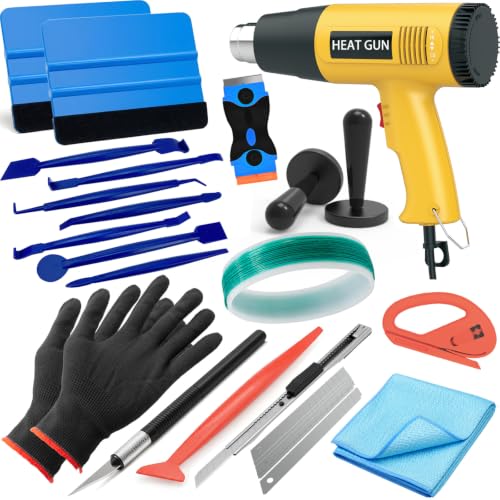
I recommend collecting a few specific items to ensure an effective cleaning process. Begin with a plastic scraper or a good quality razor blade. This will help lift off any tough spots without damaging the surface underneath. Soft cloths or microfiber towels are essential for applying cleaning solutions and wiping away residues.
Acquiring isopropyl alcohol or a suitable paint remover designed for non-porous surfaces is crucial; these will aid in dissolving unwanted deposits. Another resource to consider is water mixed with a gentle soap, which can be effective for less stubborn areas.
Additionally, using a bucket for mixing solutions and a pair of rubber gloves will protect your hands during the process. If you have sensitive skin or are concerned about chemicals, a mask might also be advisable.
Before starting, ensure that all materials are on hand to avoid interruptions. By being prepared, it allows focusing solely on the task at hand.
Testing a Small Area for Colorfastness
I recommend starting by selecting a discreet spot on the upholstery to test for color stability. Apply a small amount of the cleaning solution you intend to use with a soft cloth or cotton swab. Be cautious to select a solution that is suited for synthetic materials.
Gently dab the area without rubbing or scrubbing, as this can cause further damage. Observe the spot for any discoloration or transfer of color onto the cloth. It’s crucial to wait a few minutes to assess the results before proceeding further.
If no change occurs after this initial assessment, I suggest proceeding cautiously with a larger area while continuing to monitor for adverse reactions. In case you notice any fading or alteration in color, halt the process immediately to prevent further damage.
This step is vital to ensure your cleaning method won’t adversely affect the appearance of the material. Taking this precaution saves time and potential repair costs in the long run.
Using Solvents for Paint Removal
Begin with a solvent that is compatible with the existing coating, such as rubbing alcohol, acetone, or a specialized adhesive remover. Always follow the manufacturer’s guidelines for safe usage.
Apply a small amount of your chosen solvent to a clean cloth. Gently blot the affected area without rubbing, as this can drive the residue deeper into the material.
| Solvent | Usage Instructions | Notes |
|---|---|---|
| Rubbing Alcohol | Apply with a cloth, dabbing until the stain lifts. | Test on a hidden area first. |
| Acetone | Use sparingly; excess can damage the surface. | Highly effective on oil-based coatings. |
| Commercial Adhesive Remover | Follow label instructions for application. | Ensure it is safe for the material. |
After treating the blemish, cleanse the area with mild soap and water to eliminate any solvent residue. It’s advisable to let the surface dry completely before assessing the area.
Always wear gloves and consider working in a well-ventilated space to avoid inhaling fumes. If unsure about the impact of a solvent, conduct a patch test on an inconspicuous section.
Scraping Techniques to Avoid Damage
To effectively lift stubborn residue without harming the surface, I recommend using a plastic scraper instead of metal tools. Plastic scrapers are gentler and help prevent scratching.
Here are some techniques I find useful:
- Always hold the scraper at a low angle to the surface, which minimizes pressure and reduces the risk of gouging.
- Work gradually; start from one corner of the area, applying gentle pressure. Avoid forceful scraping, as this can lead to scratches.
- If accumulation is resistant, soften it first with a designated solvent. This reduces the amount of scraping needed.
When using a scraper, keep the following tips in mind for optimal results:
- Use short, controlled strokes rather than long, sweeping motions. This allows for better control and reduces unintended damage.
- Periodically clean the scraper to prevent buildup from being pushed into the surface. A simple wipe with a cloth will suffice.
- If risk of abrasion arises, consider wrapping the scraper’s edge with a soft cloth. This creates a buffer that protects the finish.
After scraping, inspect the area for any lingering marks. If necessary, follow up with a gentle cleaning solution and a soft cloth to restore its original appearance.
Applying Heat for Easier Paint Lifting
Utilizing heat can significantly simplify the task of loosening stubborn spots on the surface. A heat gun or a hairdryer enables controlled application, which helps prevent damage to the underlying material.
Adjust the device to a low setting. Hold it about 6 inches from the area to avoid overheating. Move the tool back and forth to distribute heat evenly. Within a minute, paint should begin to soften.
Use a plastic scraper or a soft cloth to gently lift the softened coating. Start at the edges and work toward the center to minimize the risk of tearing. If resistance is felt, apply more heat.
Ensure the room is well-ventilated during this process. Fumes from heated materials can be harmful. Maintain safety by using gloves and goggles.
| Tool | Tip |
|---|---|
| Heat Gun | Maintain distance (6 inches) and keep moving. |
| Hairdryer | Use low setting to avoid scorching. |
| Plastic Scraper | Lift paint gently from edges. |
This method is particularly useful for large areas or stubborn patches. Always test a small section first to gauge the effect before applying heat to the entire surface.
Cleaning Up Residue After Paint Removal
After extracting pigment, it’s crucial to tackle the leftover residues effectively. I usually follow a straightforward approach that ensures the surface remains in pristine condition.
First, gather a few materials for cleanup:
- Soft cloths or paper towels
- Mild soap or detergent
- Warm water
- White vinegar
Next, I dampen a cloth with warm, soapy water and gently wipe the area. This helps lift any lingering bits without causing harm. It’s important to avoid abrasive scrubs, as these can scratch the surface.
If stubborn marks persist, I mix equal parts of white vinegar and water, applying it to the affected area with another cloth. The acidity can effectively break down residue without damaging the underlying material.
To finish, I rinse the area with clean water to eliminate any cleaning solution and then dry it thoroughly with a soft towel. This step prevents moisture from causing any molding or unpleasant odors.
Lastly, I always inspect my work, ensuring every trace is gone and the original texture and sheen of the surface are intact. Consistent attention to detail in this final stage guarantees long-lasting results.
Protecting Vinyl Seating After Cleaning
After completing the cleaning process, it’s crucial to shield your upholstery to maintain its condition. I recommend applying a vinyl protectant product to create a barrier against future spills and stains. Look for options specifically designed for synthetic materials, as these products help repel liquids and can prolong the life of your seating.
Regular Maintenance
Incorporating a routine care regimen is key. Wipe down surfaces with a damp cloth weekly to prevent buildup of dirt and debris. For deeper cleaning, use a mild soap diluted in water followed by a thorough rinse. This practice helps preserve the appearance and texture over time.
Avoiding Direct Sunlight
Exposure to direct sunlight can cause fading and cracking. Position your seating away from windows or use UV-blocking window treatments to minimize damage. If repositioning is not an option, consider covering your items with breathable fabric during periods of prolonged sunlight.
Preventing Future Paint Accidents
To avoid future mishaps, I recommend using drop cloths wherever painting occurs. This simple measure protects surfaces and minimizes cleanup. Additionally, keeping a spray bottle filled with water nearby can help manage spills quickly.
When working in enclosed spaces, I’ve found that using painter’s tape around edges can prevent unwanted marks. I also ensure my workspace is well-organized, creating a designated area for painting supplies, which reduces clutter and the chance of accidental spills.
Using a lightweight and controlled application technique can also decrease the risk of splattering. I focus on using brushes or rollers that distribute products evenly without excessive pressure.
After each session, I promptly clean brushes and tools to avoid hardening materials, ensuring that they are ready for the next project without causing issues later. Finally, storing paint in sealed containers and labeling them accurately helps maintain organization and prevents unintentional exposure to surfaces.
FAQ:
What is the best way to start removing dried paint from vinyl furniture?
To begin removing dried paint from vinyl furniture, you should first gather the necessary supplies. These include rubbing alcohol or a commercial paint remover that is safe for vinyl, a soft cloth or sponge, and possibly a plastic scraper. It’s advisable to test any solvent on a small, inconspicuous area of the furniture to ensure it does not damage the vinyl surface. Once you’re ready, apply the solvent to the cloth and gently rub the paint stain, being careful not to scratch the vinyl.
Are there any home remedies for removing paint from vinyl surfaces?
Yes, there are several home remedies you can try. One effective method is using vinegar. You can heat some vinegar and soak a cloth in it before placing the cloth over the paint for a few minutes. The heat from the vinegar helps to soften the paint, making it easier to wipe off. Additionally, you can use a mixture of baking soda and water to create a paste, applying it to the stain and gently scrubbing with a cloth. This approach is less harsh and can be safer for delicate surfaces.
Can I use acetone to remove paint from vinyl furniture?
While acetone is a powerful solvent and can effectively remove paint, it is not recommended for use on vinyl furniture. Acetone can cause damage or discoloration to the vinyl material. Instead, opt for rubbing alcohol or a specialized vinyl-safe paint remover, which will be effective without risking harm to the furniture’s surface.
What should I avoid when removing dried paint from vinyl?
When removing dried paint from vinyl furniture, avoid using abrasive tools like steel wool or scrubbing pads, as these can scratch and damage the vinyl surface. Additionally, steer clear of harsh chemicals that are not specifically designed for vinyl, such as acetone or bleach, as they can cause discoloration or degradation of the material. Always test a small area first before applying any solvent to the entire stain.
How can I protect my vinyl furniture after removing paint?
To protect your vinyl furniture after removing paint, consider applying a vinyl protectant or conditioner. These products can help restore moisture to the vinyl and create a barrier against future stains. It’s also a good idea to regularly clean the furniture with a gentle soap solution and avoid exposing it to direct sunlight for prolonged periods, as this can cause fading and damage over time. Keeping the furniture away from sharp or heavy objects can also prevent scratches and dents.
What are the best methods to remove dried paint from vinyl furniture?
There are several effective methods to tackle dried paint on vinyl furniture. One common approach is using a mixture of warm water and mild dish soap. Soak a soft cloth in the solution and gently blot the paint. For tougher stains, you might try rubbing alcohol. Apply it to a cloth and rub the affected area carefully. Another option is using a commercial paint remover specifically designed for vinyl surfaces. Always be sure to test any method on a small, inconspicuous area first to avoid damaging the furniture.


