
 Caleb Turner
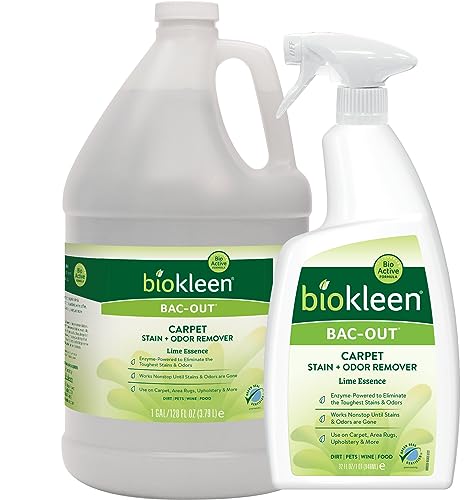
The first step in tackling this particular challenge is to act quickly. Blot the area with a clean, dry cloth to absorb as much of the liquid as possible. Avoid scrubbing, as this can spread the stain further and damage the fibers.
Next, prepare a solution using cold water and a mild detergent. Dampen a soft cloth with the mixture and gently dab the stained area, working from the outside toward the center. This method helps prevent the spread of the stain while breaking down the residue.
If necessary, a mixture of hydrogen peroxide and water in equal parts can be applied for tougher marks. Test this solution on a hidden area to ensure it won’t cause discoloration before proceeding. After treatment, blot the area again with a cloth dipped in clean water to remove any cleaning agents, then allow it to air dry completely.


Techniques for Eliminating Old Stains from Textiles
I find that beginning with cold water helps. Gently blot the area with a clean cloth dampened in cold water; avoid scrubbing, which may set the stain. It’s vital to act swiftly, even if the mark has been there for a while.
Mix a solution of equal parts hydrogen peroxide and dish soap. Apply this blend on the tarnished spot. After letting it sit for about 30 minutes, I recommend blotting with a clean towel to absorb the mixture.
A paste of baking soda and water can also yield positive results. Apply the paste to the stain, allow it to dry, and brush off the residue. This often lifts the discoloration effectively.
| Method | Materials | Steps |
|---|---|---|
| Cold Water Blotting | Clean cloth, cold water | Blot gently without scrubbing. |
| Hydrogen Peroxide Solution | Hydrogen peroxide, dish soap | Mix, apply, let sit, then blot. |
| Baking Soda Paste | Baking soda, water | Apply paste, let dry, brush off. |
Rinsing the area with cold water afterwards helps. I usually repeat the process if needed for stubborn marks. Testing any solution on a hidden section first ensures no discoloration occurs. Careful attention to these details makes a significant difference.
Understanding the Chemistry of Blood Stains
Proteins are the main components of the discoloration resulting from heme, a molecule found in red blood cells. When exposed to oxygen, heme undergoes oxidation, leading to the formation of complex compounds that bond tightly with textile fibers. This bonding is what makes these marks particularly challenging to eliminate.
pH Levels and Their Impact
The pH level of a cleaning solution greatly influences the efficacy of stain treatment. Blood is typically neutral to slightly alkaline; thus, using an acidic solution may aid in breaking down the proteins and improving removal rates. Vinegar, which has a mild acetic acid content, can be effective in this context. A balance between acidity and enzymatic action is often necessary for optimal results.
Enzymatic Action
Enzymes play a critical role in degrading protein-based stains. Protease enzymes specifically target the peptide bonds in proteins, aiding in the breakdown of hemoglobin and other protein structures present in the stains. Utilizing products that contain these enzymes can enhance the cleaning process by accelerating the breakdown of compounds that adhere to the fabric.
Gathering Necessary Cleaning Supplies
Begin with cold water, as heat can set stains. A spray bottle is useful for easy application. Use white vinegar or hydrogen peroxide for their stain-lifting properties. Grab liquid dish soap, which effectively breaks down proteins. Opt for a clean cloth or paper towels for blotting – avoid scrubbing to prevent spreading.
Consider gloves to protect your hands. A soft-bristle brush can help lift residue without damaging the fibers. If the upholstered item is delicate, ensure it’s safe for cleaning by checking care labels. Finally, have a vacuum handy to eliminate any loose debris before treatment.
Testing Fabrics for Colorfastness
I recommend conducting a simple colorfastness test before applying any cleaning agents. Dampen a white cloth or cotton swab with water and gently rub it on an inconspicuous area of the material. If you see any color transfer onto the cloth, the dye may bleed during cleaning.
If the fabric shows no signs of color transfer, prepare a solution of mild detergent and warm water. Apply it to a small area using the same technique. Monitor for any discoloration or fading.
For sensitive textiles, consider using a specialized colorfastness test kit available at most craft stores. These kits often include a variety of solutions tailored for different materials.
Document your findings to ensure you maintain consistency in your cleaning methods over time. This way, you’ll have a clear guideline for future reference, minimizing the risk of damage to your upholstery.
Applying Cold Water for Initial Treatment
For effective treatment, I immediately address the stain by applying cold water directly to the affected area. Cold water prevents the proteins in the stain from setting, making it easier to deal with later. Here’s how I proceed:
-
Gently blot the stain with a clean cloth to absorb excess residue without rubbing, which might spread the mark further.
-
Using a spray bottle, I apply cold water generously to the stained region, ensuring the entire area is moistened.
-
After soaking, I continue to blot with a cloth or paper towel, switching to a clean section to avoid transferring the stain.
-
I repeat this process multiple times until I notice less transfer of the substance onto the cloth.
Additional Tips
-
Keep a separate cloth for blotting and rinsing to minimize contamination.
-
Avoid hot water as it may set the stain permanently into the material.
Using Enzymatic Cleaners for Stain Removal
I recommend utilizing enzymatic cleaners for tackling stains effectively. These specialized products break down proteins found in organic matter, making them ideal for tackling tough marks. When applying an enzymatic cleaner, ensure the area is well-ventilated and test it on an inconspicuous spot first to confirm compatibility with the material.
Apply the cleaner directly onto the affected area and allow it to sit for the time suggested by the manufacturer. Typically, this ranges from 5 to 15 minutes. During this period, the enzymes will start to digest the proteins in the stain. After this, gently dab the area with a clean, damp cloth to lift the residue, being careful not to rub, which may worsen the situation.
If the stain persists, a second application may be necessary. Always follow up with rinsing the area with cold water to remove any remaining cleaner. This step helps prevent any potential yellowing or damage to the textile. Keep in mind the importance of allowing the treated area to dry thoroughly, as moisture can attract dirt and lead to further staining.
Alternative Methods: Baking Soda and Hydrogen Peroxide
For stubborn spots, I recommend trying a mixture of baking soda and hydrogen peroxide. This combination can effectively tackle challenging marks. Here’s how to apply it:
Ingredients Needed
- Baking soda
- Hydrogen peroxide (3% solution)
- Soft-bristled brush or cloth
- Small bowl
Procedure
- In a small bowl, mix two tablespoons of baking soda with one tablespoon of hydrogen peroxide. The mixture will form a paste.
- Gently apply the paste onto the stained area using a soft-bristled brush or cloth. Avoid rubbing too hard to prevent damage.
- Allow it to sit for about 30 minutes to penetrate the fibers.
- Afterward, lightly scrub the area with the brush or cloth. Rinse with a damp cloth to remove any residue.
- Let it air dry completely. Check for any remaining marks and repeat if necessary.
This method is particularly useful for older stains, leveraging the chemical reaction between the two ingredients to lift discoloration without harsh scrubbing. Always check the fabric’s care label to ensure compatibility before proceeding.
Finalizing the Cleaning Process and Preventing Future Stains
After treating the affected areas, I ensure to rinse thoroughly with cold water to eliminate any remaining cleaning solution and residue. This step is crucial for preventing discoloration or damage to the upholstery. Once rinsed, I blot the area with a clean cloth to absorb excess moisture, then allow it to air dry completely.
Securing the Upholstery
Once the area is dry, I inspect the fabric closely for any stains that might have remained. If necessary, a second treatment can be applied using a suitable cleaning solution. To protect the treated surface, I consider applying a fabric protector. This product acts as a barrier against future stains and simplifies cleanup in case of spills or accidents.
Establishing Maintenance Routines
Scheduling regular cleaning and maintenance is beneficial. Vacuuming frequently helps remove dirt and debris, which can set stains. Promptly addressing accidents reduces the likelihood of challenging stains. I also educate family members about stain etiquette, ensuring that spills are tackled promptly to maintain the appearance of the upholstery.


