Caleb Turner

The best approach I’ve found involves utilizing a simple rubber glove. Just dampen it slightly, and run your hand across the surface. The static charge will gather those fibers with ease, making clean-up a breeze.
Additionally, a lint roller works wonders for quickly picking up stubborn fluff. Keep one handy for those moments when unexpected guests arrive. It can tackle areas where a glove might miss, ensuring no trace is left behind.
For a more long-term solution, consider using an upholstery brush designed specifically for this purpose. These brushes can extract embedded strands while also being gentle on the fabric, preserving its quality.
If you’re dealing with a particularly fur-heavy environment, a mixture of equal parts water and white vinegar in a spray bottle can help loosen pet strands. Lightly mist the area, allow it to sit for a few minutes, then wipe with a soft cloth.
Natural Techniques for Tackling Fur
I recommend using a damp sponge or cloth to gather unwanted fibers clinging to surfaces. Lightly moisten the sponge; this will help capture those stubborn strands without scattering them.


Utilizing Rubber Gloves
Wearing rubber gloves can be surprisingly effective. Simply rub your hands over the upholstery, and static electricity will pull the particles towards the glove. This method is quick and requires no additional tools.
Vacuuming with a Twist
Adjusting your vacuum’s attachment is key. A brush nozzle works wonders. Make sure to vacuum in multiple directions to dislodge and collect as much as possible. Cleaning regularly maintains a fur-free environment.
Mixing equal parts water and vinegar in a spray bottle is also beneficial. Apply the solution lightly on the material. After a minute, wipe with a cloth and watch those loose fibers come off with ease.
For wooden surfaces, using a microfiber cloth can pick up residual strands effectively. A few swipes can leave the area pristine and tidy.
Using Sticky Rollers for Quick Cleanup
Sticky rollers provide a swift solution for tackling stubborn fibers on various surfaces. I find it useful to keep one handy in different rooms, making spontaneous cleanups effortless.
For optimal results, simply roll the adhesive surface over the target area. The strong stickiness grabs debris efficiently, allowing quick collection with minimal effort. Once the sheet is covered, replace it with a fresh one for continuous use.
Tips for Maximum Efficiency
- Use gentle pressure to enhance the adhesion without damaging the underlying material.
- Keep the roller at an angle for improved contact with the surface.
- Store away from moisture to maintain tackiness.
Alternative Uses
Beyond regular cleanup, I’ve discovered that sticky rollers are helpful for:
| Item | Application |
|---|---|
| Clothing | Remove fibers before heading out. |
| Cushions | Quickly refresh upholstery. |
| Car interiors | Maintain a tidy environment while traveling. |
This tool proves valuable in many situations, making it a versatile addition to any cleaning routine.
Implementing Rubber Gloves for Static Attraction
To effectively gather loose fibers, I recommend using rubber gloves as a simple yet powerful tool. Here’s how I do it:
- Choose a pair of rubber gloves – the thicker, the better for durability and grip.
- Put on the gloves and slightly dampen them with water; this enhances their static properties.
- Rub your hands along the surfaces you wish to clean. The friction created by the gloves will attract the little strands, making them clump together.
- Collect the gathered fibers and dispose of them as needed.
This technique not only eliminates the mess but also avoids using chemicals that can be harmful. Plus, it’s a quick solution for unexpected visits!
For added efficiency, I suggest applying this method regularly to maintain a tidy environment and reduce buildup. It’s a straightforward practice that yields satisfying results with minimal effort.
Leveraging a Damp Cloth for Thorough Dusting
I recommend using a slightly damp cloth to gather and lift unwanted fibers clinging to surfaces. Lightly moisten the fabric with water, ensuring it’s not soaking wet, as excess moisture can damage materials. This method effectively traps dust and fuzz instead of sending it airborne.
Start at the top of the surface and work your way down, applying gentle pressure. This strategy takes advantage of the cloth’s surface tension, allowing it to effectively cling to and collect debris. Using circular motions can enhance the cloth’s efficiency, making sure no corner gets overlooked.
For stubborn spots or heavily coated areas, a bit of natural fabric softener mixed with water can be beneficial. This solution adds an extra layer of attraction for fibers. When cleaning, consider using microfibre cloths as they are designed to capture tiny particles, maximizing the outcomes while remaining gentle on delicate finishes.
Regularly rinsing the cloth during the process ensures optimal performance, preventing buildup and allowing for thorough cleaning. After completing the task, it’s wise to let surfaces dry naturally to avoid any lingering moisture, ensuring clean and better-maintained areas.
Employing a Squeegee for Upholstery and Carpets
Using a squeegee is an unexpected yet powerful method for tackling the stubborn strands clinging to upholstery and carpets. The rubber edge of the squeegee creates static electricity, which helps gather and lift fibers effortlessly.
Steps for Optimal Use
Begin by ensuring the surface is dry; moisture can reduce the squeegee’s effectiveness. Move the tool across the fabric in one direction, applying moderate pressure. You will notice the strands clumping together, making them easier to collect. Frequently check the squeegee’s edge, as it may accumulate debris quickly. A quick rinse and dry will prepare it for further use.
Versatile Applications
This technique works exceptionally well on a variety of surfaces, including couches, chairs, and area rugs. It can also be effective on car upholstery. Regular maintenance using a squeegee will significantly reduce the overall fibers present, leading to a cleaner living environment.
Making a DIY Removal Tool with Tape
For a quick and simple solution, I often create a DIY tool using tape. Take a sturdy cardboard tube, like one from a paper towel roll, and wrap a piece of strong adhesive tape around it, sticky side out. Ensure the tape overlaps slightly to maximize surface area.
To tackle pesky fibers, roll the tube over the affected areas of the upholstery or surface. The stickiness will grab the fluff effectively. This method is particularly useful for small patches and quick touch-ups.
Once the tape loses its stickiness, simply peel off the used layer and reveal a fresh section underneath. Depending on the size of the area, I might need to repeat this a few times. Using this approach not only provides an immediate fix but also reuses materials, minimizing waste.
If the rolling method presents some difficulty, I find that using a flat piece of tape is also beneficial. Press it firmly against the fabric, then lift to pull away the debris. This technique works wonders on nooks and crannies where other tools may struggle.
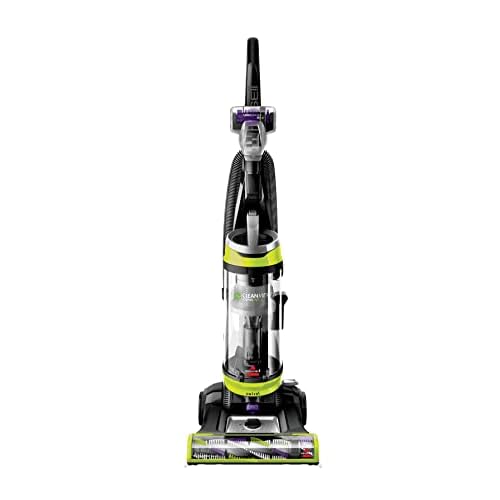
Using Vacuum Cleaners with Specialized Attachments
The right vacuum cleaner with appropriate attachments can make a significant difference in tackling fur on various surfaces. A vacuum with a pet hair attachment or a brush specifically designed to attract and catch fuzz is invaluable. These tools feature rubberized bristles or unique designs that excel in loosening embedded strands.
For upholstered items, I recommend using a turbo brush. This attachment spins as you vacuum, ensuring thorough pick-up of threads that may be buried deep in the fabric. For flat surfaces, a crevice tool can be effective for reaching tight corners and edges.
Always check the filters and bags regularly to avoid loss of suction power. A clogged filter can impede performance, making the task more challenging. Choosing a vacuum with a HEPA filter can also help capture allergens and dander, promoting a cleaner environment.
Make vacuuming a regular part of your cleaning routine to prevent build-up. Daily maintenance minimizes the amount of debris that accumulates, allowing for quicker clean-up sessions when needed.
Investing in a cordless vacuum can provide enhanced flexibility, especially if quick touch-ups are necessary. These models are typically lighter and easier to maneuver around furniture.
Applying White Vinegar for Static Dismissal
I mix equal parts of distilled white vinegar and water in a spray bottle. This solution effectively reduces the static charge on surfaces, making it easier to capture stray fibers. I lightly mist the furniture with the vinegar mixture, ensuring not to soak it, as excess moisture can damage certain materials.
Application Technique
After spraying, I take a microfiber cloth and gently wipe down the area. The cloth attracts the fibers, pulling them away from the fabric or wood. This method not only helps in gathering loose strands but also adds a light fresh scent to the space.
Maintenance Tips
To keep static at bay, I repeat this process weekly, especially during dry months. I store the vinegar solution in a cool, dark place, ensuring it remains effective over time. Using this natural approach keeps surfaces clean and maintains the overall ambiance of the home.
Establishing a Regular Cleaning Routine
Incorporating a consistent cleaning schedule significantly reduces the accumulation of fluff on surfaces. I recommend dedicating specific days of the week for targeted tidying up sessions.
Suggested Frequency
- Daily: Quick wipe-down of high-traffic areas.
- Weekly: Comprehensive cleaning of larger surfaces like sofas and armchairs.
- Monthly: Deep cleaning sessions that include curtains, cushions, and other neglected areas.
Tools to Include
- Microfiber cloths for effective surface collection.
- A lightweight vacuum cleaner for easy maneuverability.
- Rubber gloves to gather stubborn debris effortlessly.
After establishing a routine, I find it easier to maintain a clean environment. Regular attention prevents buildup and keeps surfaces inviting for both people and pets.