
 Caleb Turner
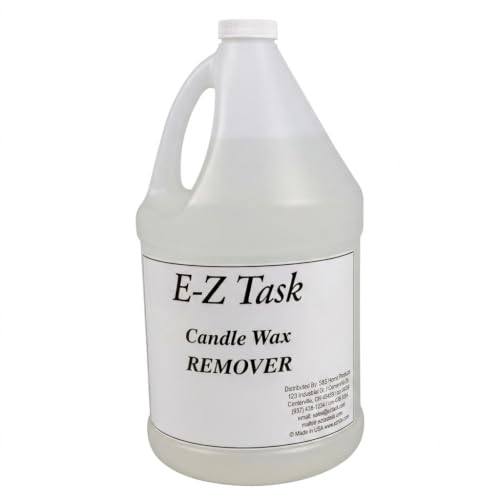
I recommend placing a brown paper bag or a clean cloth over the affected area. Using a warm iron, gently glide it over the surface. Keep it moving to avoid overheating any one spot. The heat will soften the residue, allowing it to transfer to the bag or cloth.
Once most of the substance is lifted, mix a solution of warm water with a few drops of dish soap. Dampen a clean cloth with this mixture and gently blot the area to remove any remaining traces. Avoid rubbing, as this may push the residue deeper into the fibers.
For stubborn spots, consider using a commercial upholstery cleaner. Test it in an inconspicuous area first. Spray lightly on the stain, wait a few minutes, then blot with a clean cloth. Rinse with water and blot dry.
Ensure the area is well-ventilated while you work. Let it air out, and you’ll be left with a clean surface, free of the leftover drips from your last cozy evening.
Steps to Clear Residue from Textiles and Surfaces
Heat the affected area with a hair dryer set on low. Hold it a few inches away to soften the residue gradually. Be cautious not to scorch the material.


Once softened, gently scrape excess residue using a plastic spatula or credit card. Avoid sharp objects to prevent damage.
Lay a paper towel or cloth over the remaining residue. Apply a warm iron on top for a few seconds to absorb the softened residue. Lift both the iron and towel frequently to avoid burning.
In cases of stubborn spots, apply a small amount of isopropyl alcohol on a cloth and dab cautiously. Test in an inconspicuous area first.
For textiles, sprinkle baking soda over the area after cleaning. Let it sit for about 15 minutes to absorb any lingering scents or moisture, then vacuum the residue.
For hard surfaces, use a mixture of warm water and mild dish soap. Wipe down thoroughly with a damp cloth afterward.
Repeat processes as needed for complete removal. Always exercise care to maintain the integrity of your textiles and surfaces during cleaning.
Identifying the Type of Wax on Carpet and Furniture
Assessing the substance on surfaces is crucial. Different variations may require distinct approaches for successful elimination.
Characteristics of Common Types
- Paraffin: Typically solid at room temperature, this type melts easily when heated. It has a white or translucent appearance. Its consistency resembles that of regular candles.
- Beeswax: This variant is more pliable and often has a yellow hue. It emits a natural scent, and its texture feels slightly tacky, indicating its organic origins.
- Soy Wax: Made from soybean oil, this alternative is softer than paraffin. It often comes in various colors and scents, making identification easier through fragrance and color.
Visual and Sensory Indicators
- Check the residue’s hardness; if it is easily breakable, it is likely paraffin.
- Smell the remaining material; a natural scent indicates beeswax, while synthetic variants may have little to no smell.
- Observe the surface sheen; polished finishes often suggest the presence of soy or paraffin.
Accurate identification aids in selecting the proper cleaning method, ensuring the integrity of surfaces while tackling the concern effectively.
Tools and Materials Needed for Wax Removal
A hairdryer or a heat gun is my first pick for tackling this challenge. The focused heat helps melt the substance without damaging surfaces. Use with caution to avoid overheating.
A soft cloth or paper towels serve as absorbent materials to soak up melted remnants efficiently. I find old cotton t-shirts work just as well and are eco-friendly.
Stiff plastic scrapers are handy for gently lifting hardened remnants without scratching. I recommend avoiding metal tools to prevent surface damage.
Brown paper bags or parchment paper act as a barrier during the heat application, preventing direct contact between the heat source and the material. I cut these into manageable pieces for easy handling.
I prefer using a mild detergent mixed with warm water to tackle any residual stains after the initial melting and absorption process. This helps maintain surface integrity.
An iron with adjustable heat settings can also be an option. I use it on a low setting and place a cloth between the iron and the surface to protect it.
For stubborn stains, a specialized cleaner designed for the specific material adds another layer of effectiveness. Always check compatibility with the surface before applying.
Step-by-Step Guide to Cleaning Up Residue from Carpet
Begin by placing a paper towel or a clean white cloth on top of the hardened substance. Applying low heat using an iron on a warm setting, gently press it against the cloth. This method helps transfer the residue onto the towel, freeing the fibers beneath.
Once the initial layer transfers, make sure to lift the cloth straight up rather than dragging it across the surface. Replace the towel as it accumulates residue, ensuring you don’t spread the remaining remnants.
For remaining stains, sprinkle a small amount of baking soda directly onto the stained area. Allow it to sit for about 15 minutes before gently brushing it away with a soft-bristle brush. This should absorb any leftover oils, aiding in the cleaning process.
If discoloration remains, prepare a solution of water mixed with a few drops of dish soap. Dab the mixture onto the stained area using a clean cloth. Blot gently, ensuring not to overwet the fibers. Rinse the cloth and repeat until the stain lifts.
After achieving the desired cleanliness, dampen a fresh cloth with plain water and blot the area to remove any soap residue. Finally, allow the section to air dry completely. Consider using a fan to speed up the process if necessary.
| Step | Description |
|---|---|
| 1 | Heat application using an iron and cloth |
| 2 | Lift cloth straight up |
| 3 | Sprinkle baking soda on the stain |
| 4 | Prepare soapy water mixture |
| 5 | Dab with a clean cloth to lift the stain |
| 6 | Rinse area with plain water |
| 7 | Allow to air dry completely |
Techniques for Getting Wax Off Upholstered Furniture
Using a paper towel or a clean cloth, I first place it over the affected area. Then, I heat an iron on a low setting and gently press it onto the fabric. The heat will cause the substance to melt, soaking into the tissue beneath. I periodically lift the cloth to check progress and replace it if it becomes saturated.
If the stain persists, I sprinkle baking soda onto the area after the initial attempt. Allowing it to sit for about 15 minutes helps absorb any remaining residue. Afterward, I vacuum the area to remove the powder, making the surface cleaner and fresher.
An alternative method involves using rubbing alcohol. I soak a cotton ball and gently blot the spot. Patience is key, and I repeat this until the mark fades. Afterward, I clean the area with soapy water to prevent any stickiness.
If dealing with intricate fabrics, I carefully consult the manufacturer’s cleaning instructions. This ensures that I won’t damage delicate materials. For stubborn spots on high-end upholstered items, opting for professional cleaning may be necessary to maintain the integrity of the fabric.
Cleaning Up Residue after Wax Removal
To tackle leftover marks after the extraction effort, first, grab a soft cloth or paper towel. Blot the area gently to absorb any excess moisture. Avoid scrubbing, as this can spread any remaining material.
Next, I apply a mix of mild dish soap and warm water to the affected spot. Using a clean cloth, I dab this solution onto the surface, ensuring thorough coverage without soaking the area. It’s crucial to carefully work from the outside in to prevent spreading the residue further.
Once the residue starts to lift, I rinse the cloth and repeat the blotting process to remove any soapy remnants. Afterward, I switch to plain water for a final cleanse, making sure I remove all cleaning agents.
For stubborn spots, a gentle rubbing is sometimes necessary. I opt for a soft-bristled brush to help dislodge any difficult bits without damaging the underlying fibers or finishes.
After cleaning, I allow the area to air dry completely. If any stickiness persists, repeating the cleaning steps or using a specialized cleaner might be required.
Finally, for upholstery, applying a fabric protector once everything is dry can help guard against future spills or mishaps. This preventive measure simplifies any future cleanups. Always test any product on a small, inconspicuous area first to avoid discoloration.
Preventing Future Wax Stains on Carpet and Furniture
To avoid unsightly drips or spills, I choose decorative candle holders. These prevent wax from getting onto surfaces. Positioning candles away from high-traffic areas minimizes the risk of accidental knocks, which can lead to messes.
Materials and Placement Tips
I always keep a protective tray or plate under each candle. This simple barrier catches any overflow. Additionally, using flameless alternatives offers a safer option while maintaining ambiance. If I prefer traditional candles, I ensure they’re on stable, non-flammable surfaces to further eliminate risks.
Regular Maintenance
Regular vacuuming helps keep any potential stains in check. When I clean my carpets and upholstery frequently, it prevents dirt and debris from settling into fibers, making future clean-up easier. I also keep cleaning supplies readily available for quick action if an accident occurs.


