
 Caleb Turner

For those needing assistance, first, gather a flat-head screwdriver and a pair of pliers. Begin by locating the slot on the head of the fastener and gently inserting the screwdriver. Apply a bit of pressure while turning it counterclockwise to loosen the fitting. This step may require some patience, as they can be tightly secured.
Once the screws have been released, take the pliers and grip the body of the fastener. Carefully pull it straight out from the socket. If resistance is met, check for any remaining debris or small components that might still connect it to the structure. Providing a stable force while maintaining a steady pull will aid in extraction.
If the fastener is particularly stubborn, consider using penetrating oil. Spray it around the base, allowing it to seep into any crevices. After a few moments, retry the pliers to see if it dislodges easier. Always ensure you’re working in a safe environment, protecting adjacent surfaces from scratches or damage.
Removing Cam Locks from Furniture
First, gather necessary tools: a flathead screwdriver and a pair of pliers. Identify the type of fastener involved; common ones include the screw type or the key type.


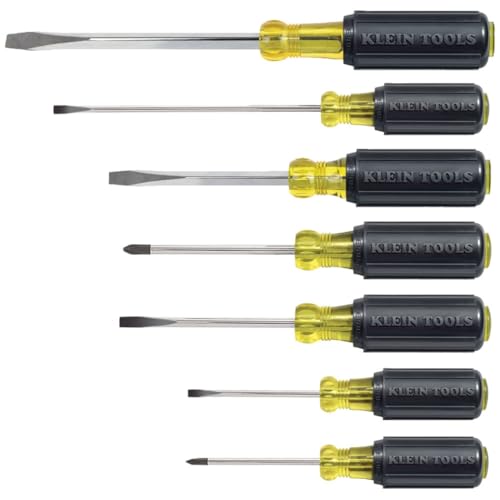
For a screw type fastener, insert the screwdriver into the notch and turn counterclockwise until it loosens. If it’s stuck, applying a little force can help free it. Be cautious not to damage the surrounding material.
If the fitting uses a key, gently insert the key and turn to the left, applying even pressure. If the key won’t turn, avoid forcing it. Instead, try a lubricant like WD-40 to loosen any rust or debris.
Once the lock is freed, pull it out gently using pliers if necessary. Avoid excessive force, as this can risk damage to the piece. After removal, check for any leftover hardware that might need extraction.
Fill any holes left behind with wood filler for a seamless look after the lock has been taken away.
Identify the Type of Cam Lock
Before proceeding with disassembly, pinpointing the specific variant of the locking mechanism is essential. Inspect the design and materials used in the lock; common types include flat, round, or hexagonal shapes. Each type may require different tools or methods for extraction.
Evaluate the locking mechanism’s orientation. Some models have a keyhole on the front, while others may be concealed or recessed, demanding a different approach. Recognize the presence of a spring-loaded mechanism, which indicates the lock moves differently than stationary types.
Carefully examine the surrounding area for any visible screws or fasteners. Sometimes, the lock itself is not the only component that must be addressed. Look for markings or brand names that indicate the manufacturer, which can help in finding replacement parts or specific removal techniques.
Utilize a flashlight to enhance visibility, making it easier to distinguish details such as wear, damage, or unusual features. If the mechanism has a removable core or section, understand whether it can be taken out entirely or if further steps are necessary for complete extraction.
If possible, consult manufacturer resources or online tutorials specific to the lock type identified. This step can provide tailored guidance and tips to ensure a successful outcome in the removal process.
Gather Necessary Tools for Removal
Collect the following tools for efficient extraction of the mechanism:
1. Screwdriver Set
A Phillips or flathead screwdriver is typically necessary for loosening screws securing the hardware. Ensure you have both types on hand to accommodate various screw designs.
2. Pliers
Utility pliers assist in gripping and turning stubborn screws or bolts that may be difficult to handle. They can also help in removing any broken components if needed.
Additionally, consider having a small hammer or mallet available for gently tapping components during the disassembly process. Safety goggles can prevent any debris from affecting your eyes. Finally, a flashlight may be helpful for illuminating tight spaces within the unit where the fasteners are located.
Check for Hidden Screws or Fasteners
I often encounter unforeseen challenges while dealing with various types of furniture assemblies. One key aspect to address is checking for hidden fastenings. These small, yet pivotal components can complicate the disassembly process significantly.
Inspect the Furniture Thoroughly
Begin with a meticulous inspection of the piece. Look for:
- Small caps or coverings that may conceal screws
- Undersides of drawers and shelves for unexpected attachments
- Joint areas, especially corners where latches might be hidden
Use Appropriate Tools for Detection
Employ tools such as:
- A flashlight to illuminate dark corners
- A magnet to identify metal screws beneath surfaces
- A screwdriver with interchangeable bits for different screw types
By systematically identifying all fastenings, I ensure that no additional surprises arise during the disassembly. This step significantly smooths the overall process of taking apart the unit.
Use a Screwdriver to Loosen the Lock
I select a screwdriver that fits the screw head of the mechanism. It’s important to ensure a snug fit to avoid stripping the screws. With steady pressure, I turn the screwdriver counterclockwise until the screws become loose. If I encounter resistance, I apply a bit of penetrating oil to help ease the process. After freeing the screws, I gently pull the locking mechanism to assess any additional components attached to it.
In some cases, a little extra torque might be required. I grip the handle firmly and apply consistent force as I work the screws free. If they are particularly tight or rusted, a few taps on the screwdriver handle can help dislodge them. Once the screws are sufficiently loosened, I proceed with caution to prevent any damage to the surrounding area.
Don’t rush this step; patience is key. If the device has multiple screws, I keep track of the order and location, ensuring an easier assembly later. After fully removing the lock, I inspect the hardware for any signs of wear that may need attention during the reinstallation phase.
Pry the Cam Lock with a Flat Tool
To effectively dislodge the locking mechanism, utilize a flat tool such as a flathead screwdriver or a putty knife. Position the edge of the tool at the seam of the device and gently apply pressure.
Follow these steps for stability and ease:
| Step | Description |
|---|---|
| 1 | Insert the flat tool into the gap where the locking piece meets the surface. |
| 2 | Carefully twist the tool to create a leverage effect, which will help in loosening the mechanism. |
| 3 | Continue to twist gently while pulling outward to detach the entire unit. |
| 4 | If resistance occurs, reposition the tool to find a less secured area for better leverage. |
Ensure to apply even pressure to avoid damaging surrounding materials. A gradual approach prevents potential breakage and keeps the installation intact.
Remove the Cam and Key Components
Begin by inserting your key into the mechanism. Turn it clockwise to disengage the components. Once you feel resistance lessening, gently pull the key out while simultaneously applying slight pressure to the cylinder. This action helps to dislodge any internal parts that may be stuck.
After extracting the key, locate the small pin or screw on the back of the lock. This component secures the entire assembly. Use a screwdriver to unscrew it carefully, as it can be easily stripped if too much force is applied. Once loosened, gently pull the cylinder out with your fingers or a pair of pliers.
If the cam component remains inside the housing, use a flathead screwdriver to gently pry it out. Position the screwdriver tip between the housing and the cam, then twist it slightly to retrieve the cam without damaging surrounding material.
Inspect the pieces for any damage or wear before discarding or replacing them. Properly conducting this process ensures a smoother experience for future adjustments or replacements.
Inspect for Damage During Removal
While extracting the locking mechanism, my first step is to closely examine the surrounding area for any signs of wear or breaking. If I notice scratches, dents, or cracked surfaces, I address those issues immediately to prevent further complications.
Look for Hidden Issues
I pay special attention to the fasteners and areas where pressure is applied. If a piece appears warped or loose, I make a note as this might indicate underlying damage. Applying too much force in these cases could worsen the condition.
Assess the Components
Next, I carefully check both the dislodged parts and the mounting area. If the hardware shows signs of corrosion or irregularities, this can affect functionality, so I document any findings for future repairs or replacement. Taking the time to inspect ensures a smoother process ahead.
Clean the Area After Lock Removal
Once the locking mechanism is out, it’s crucial to tidy up the workspace to prevent any future mishaps. Follow these steps to ensure the area is clean and safe.
Steps to Clean the Workspace
- Collect and dispose of any debris, such as shavings or small parts, to avoid accidents.
- Wipe down the surface where you worked. Use a damp cloth for wood finishes to avoid damage.
- Check for any leftover tools or components that might have been overlooked.
- Vacuum the area to remove fine particles that may have fallen during the process.
Inspect the Remaining Surface
After cleaning, examine the surface where the lock was attached:
- Look for any scratches or dents that may require touch-up paint or repair.
- Ensure that the furniture piece has returned to normal functionality without any obstructions.
- Assess if any residue has occurred, like from adhesives, and remove it carefully with suitable cleaners.
Staying organized not only makes a positive impression but also aids in maintaining the integrity of your space.
Consider Lock Replacement Options
After completing the removal process, assessing whether to replace the security mechanism or simply seal the opening is crucial. If opting for a new locking system, choose one that matches the existing hole size for a seamless fit.
Explore different styles and security levels available in the market. Consider modern electronic alternatives that provide enhanced security. Many options come with user-friendly features such as keyless entry, making them an attractive choice for everyday use.
For those interested in maintaining traditional mechanisms, visit local hardware stores or browse online retailers for screw-based or disc types that can easily be integrated into the existing infrastructure.
When selecting replacements, factor in ease of installation. Some mechanisms offer straightforward DIY setups, while others might require a professional’s expertise.
Lastly, ensure that the new hardware complements the aesthetic of the piece. A visually appealing and functional solution improves not only the usability but also the overall design of the item.
FAQ:
What tools do I need to remove cam locks from furniture?
To remove cam locks, you typically need a screwdriver that matches the screw type used on the lock, a pair of pliers for grip, and possibly a utility knife or flathead screwdriver to pry the lock out. Ensure you have a soft cloth to protect the furniture surface during the process.
Can I remove a cam lock without damaging the furniture?
Yes, it is possible to remove a cam lock without causing damage. Start by unscrewing any visible screws holding the lock in place. If the lock is stubborn, use the flathead screwdriver to gently pry around its edges. Patience is key to minimizing any potential damage to the surrounding furniture.
What should I do if the cam lock is stuck and won’t budge?
If the cam lock is stuck, try applying some penetrating oil around the edges to help loosen it. Allow it to sit for a few minutes, then attempt to unscrew it again. If it still won’t move, carefully apply pressure using pliers, being cautious not to damage the surface. If all else fails, you might need to drill out the lock, replacing it later.
Are there different types of cam locks, and do they require different removal methods?
Yes, there are various types of cam locks, including keyed, keyed-alike, and non-keyed versions. Each type may have slightly different mechanisms, but the general removal process is similar. Pay attention to whether screws or tabs hold the lock in place, as that will guide your removal approach.
What can I do after removing a cam lock to ensure the furniture remains functional?
After removing a cam lock, evaluate the space where it was located. Depending on the furniture’s design, you might want to fill any holes or gaps with wood filler for a seamless look. Additionally, consider installing a new lock or replacement hardware to maintain functionality and security if needed.


