
 Caleb Turner
First, utilize a plastic spatula or a credit card to gently scrape off any excess wax. This step minimizes the amount you’ll have to deal with later. Be cautious not to scratch the wood beneath.
Next, prepare a mixture of equal parts white vinegar and water in a spray bottle. Lightly dampen a microfiber cloth with this solution, ensuring it’s not overly wet, and gently wipe the affected area. The acidity in the vinegar aids in dissolving the wax without harming the wood.
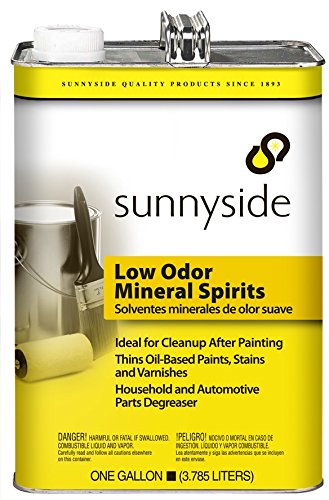
If residue remains, take some mineral spirits on a clean cloth and gently buff the area. Always test this method on a concealed section to check for an adverse reaction. Follow up with a wood polish or conditioner to restore the shine lost during the cleaning process.
Eliminating Residue from Surfaces
I recommend using a soft cloth dampened with mineral spirits as a first step. Gently wipe the area with circular motions, ensuring the spirits don’t saturate the wood. This should effectively loosen any accumulated substance.


Applying Heat
If the substance remains, use a hairdryer on a low setting. Aim it at the surface while maintaining a safe distance. The warmth will soften the remaining layers, making it easier to wipe away with a clean, dry cloth.
Finishing Touches
After clearing the residue, it helps to buff the surface lightly with a high-quality wood polish. This not only restores shine but also adds a protective layer, ensuring the integrity of the wood is maintained.
Identifying Beeswax Residue on Furniture
To detect wax deposits, look for a shiny or glossy appearance on the surface. This sheen often indicates the presence of a waxy substance. Gently run your fingers over the area; if it feels sticky or tacky, that’s a clear sign. Another indicator is if dust and dirt appear to cling more in certain spots, which typically suggests buildup.
Additionally, perform a wet finger test. Dampen a fingertip and lightly touch the surface. If you see a smear or the moist area retains a shine after drying, wax is likely present. Also, observe for uneven color patches or streaks, which may signal an uneven application or residue accumulation over time.
If practical, use a white cloth to rub the suspected area. If the cloth picks up a yellowish tint or residue, you’re dealing with wax remnants. Checking the furniture in different lighting conditions can also help reveal the waxy sheen, especially under direct light.
Preparing the Workspace for Cleaning
Clear the area of surrounding objects to create ample space. Move lamps, books, and other items away to prevent accidental damage during the cleanup process.
Set up a sturdy workspace, ensuring the surface is stable and protective materials, such as old newspapers or drop cloths, are laid down. This will catch any residue or spills.
- Gather necessary supplies: soft cloths, warm water, vinegar, and a gentle cleaner.
- Wear gloves to protect your hands from cleaning agents and contaminants.
- Ensure good ventilation in the room by opening windows or using fans.
Organize tools and materials within reach to streamline efforts. Place everything on a nearby table or cart. Having items ready minimizes time spent searching and allows me to focus on the task.
Consider the type of finish on the surface; test any cleaning solution on an inconspicuous area first. This precaution helps avoid unwanted damage.
Choosing the Right Tools for Removal
For a successful eradication of wax build-up, gathering appropriate implements is crucial. I recommend using the following tools:
| Tool | Purpose |
|---|---|
| Plastic Scraper | Gently lifts off wax without scratching surfaces. |
| Microfiber Cloths | Absorb residues and polish the area post-cleaning. |
| Heat Gun or Hair Dryer | Melts wax for easier removal; use at low heat. |
| Mineral Spirits | Solvent to dissolve any stubborn remnants; test on an inconspicuous area first. |
| Soft-bristle Brush | Helps remove debris and old finish without damage. |
Having these items on hand will streamline the process and ensure the best results. Be careful with any sharp tools to avoid damaging the finish on the piece. A little preparation with the right implements makes for a more efficient effort.
Applying Heat to Melt the Beeswax
I recommend using a hairdryer or a heat gun on a low setting to gently warm the affected area. Hold the device a few inches away to avoid excessive heat, which can damage the underlying surface. Keep the heat source moving in circular motions to evenly melt the wax.
Once the wax begins to soften, a clean, dry cloth can absorb it easily. Make sure to press the cloth onto the waxed area without rubbing, then lift it away gently. Repeat this process until no residue remains.
If the situation involves larger areas or more stubborn buildup, consider placing a thin cotton cloth over the wax and applying heat directly to the cloth. This will help control the melting process and protect the surface underneath.
Ensure the workspace is well-ventilated. Take care to avoid overheating as this can lead to burns or other damages. After working, check the area for any missed spots and address them accordingly.
Using Solvents for Stubborn Stains
I recommend using a solvent like mineral spirits or rubbing alcohol as an effective solution for persistent marks on your surfaces. To start, ensure proper ventilation in your workspace. Apply the solvent to a clean cloth, then gently dab the stained area, taking care not to saturate the wood. Avoid harsh scrubbing to prevent damage to the finish.
If the stain persists, allow the solvent to sit on the area for a few minutes to soften the residue. Then, with a soft cloth, wipe in the direction of the grain to lift the residue. After cleaning, wipe the surface with a damp cloth to remove any solvent residue, and follow up with a suitable wood conditioner to restore luster.
If mineral spirits are unavailable, white vinegar can also serve as an alternative. However, be cautious with acidic solutions, as they may affect the finish over time. Always test the solvent on an inconspicuous area of the wood beforehand to ensure compatibility.
For tougher marks, a combination of baking soda and the chosen solvent can act as a gentle abrasive. Mix into a paste and apply with a soft cloth, using light pressure while rubbing.
Cleaning with Soap and Water
I mix warm water with a few drops of a mild dish soap to create a gentle cleaning solution. With a soft cloth soaked in this mixture, I wipe the affected area carefully, ensuring I don’t saturate the wood. I start at one edge and work my way across, allowing the soapy water to break down the sticky substance.
After applying the soap solution, I take a clean, damp cloth to remove any soap residues, ensuring no moisture lingers. Proper drying is crucial; I use a dry towel to gently blot the area, preventing water damage or warping.
If necessary, I repeat the process for stubborn spots, consistently using a light touch to protect the surface. This straightforward method effectively cleans the surface while maintaining its integrity.
Polishing the Furniture After Removal
Once the surface has been cleansed of wax deposits, proceed with polishing to restore its natural luster. For optimal results, select a high-quality furniture polish or a mixture of equal parts olive oil and vinegar. This combination works effectively to enhance shine and protect the wood.
Apply a small amount of the polish to a soft, lint-free cloth. Begin with a patch test in a hidden area to ensure compatibility with the finish before application. Use circular motions to evenly distribute the polish across the entire surface, allowing it to nourish and revitalize the wood.
Pay attention to areas that may require additional care, such as corners and edges, where grime can build up. If the finish appears dull, consider buffing with a clean cloth to bring back a brilliant sheen. A little effort goes a long way in maintaining the beauty of your item.
Regular upkeep not only preserves the aesthetic appeal but also extends the lifespan of the wood. Schedule routine polishing every few months to ensure ongoing protection and vibrancy, making it easier to manage any future build-up of residue.
Finally, evaluate the overall appearance. If significant dullness remains even after polishing, it might indicate that deeper refinishing is necessary. Consider consulting a professional for restoration, especially for antique or valuable pieces. Taking proactive steps in maintenance keeps your furnishings looking their best.
Avoiding Damage to Wood Finishes
To prevent harm to wood surfaces during the cleaning process, I ensure that any substances used are suitable for the specific type of finish. For instance, an oil-based finish might respond differently compared to a lacquer. Testing any chemical or method on a hidden area before applying it to visible sections is a must.
Maintaining Protective Layers
Keeping the furniture’s protective coatings intact is crucial. Regular application of a suitable wax or polish not only enhances the appearance but also creates a barrier against harsh cleaning agents. When treating delicate areas, I avoid abrasive materials that could scratch the finish, opting for soft cloths instead.
Temperature Control Practices
While using heat to assist in loosening residues, controlling the temperature is key. High heat can warp or damage wood, so I use lower temperature settings and gradually increase if necessary. Always testing in less visible areas allows me to gauge the existing finish’s response without risking visible damage.
Preventing Future Beeswax Buildup
Regular maintenance is key. I consistently clean the surface with a soft, dry cloth to avoid accumulation. This simple step keeps residue at bay.
Choosing the right products makes a difference. I opt for finishes that do not attract excess wax or dirt. This proactive approach ensures longevity in appearance and feel.
I apply protective coatings periodically. A thin layer of quality furniture polish creates a barrier against buildup. Reapplying as needed allows me to maintain freshness and clarity.
Keeping the environment controlled is essential. I avoid placing items in overly humid or warm areas, as these conditions can promote waxy deposits. A stable climate mitigates unwanted attractions.
Regular inspections are beneficial. I make a habit of checking for signs of residue at least once a month. Early detection means I can address any issues before they escalate.
- Implement a routine cleaning schedule.
- Choose finishes wisely that resist residue.
- Apply protective coatings regularly.
- Maintain a stable environment.
- Inspect furniture monthly for residue signs.
FAQ:
What are the best methods for removing beeswax from furniture?
There are several effective methods for removing beeswax from furniture. One common approach is to use a mixture of vinegar and water. Apply the solution to the waxed area and gently rub with a soft cloth until the wax begins to lift. Another option is to use a hairdryer on a low setting. Hold the dryer a few inches away from the wax, allowing the heat to soften it, and then wipe it off with a clean cloth. Additionally, you can use mineral spirits or rubbing alcohol on a cloth to dissolve the wax. Always test these methods on an inconspicuous area first to ensure they do not damage the finish of your furniture.
How can I prevent beeswax from sticking to my furniture in the future?
To prevent beeswax from sticking to your furniture, apply a thin layer of protective finish, such as a furniture polish or sealant, that is designed to create a barrier. Regular maintenance with appropriate cleaning products can also help minimize residue buildup. If you’re using beeswax for refinishing or polishing, consider using smaller amounts and buffing it well to avoid excess wax on the surface. Keeping the furniture in a climate-controlled environment where humidity is managed can also reduce wax sticking problems.
Is it safe to use chemical cleaners on beeswax-stained furniture?
Using chemical cleaners on beeswax-stained furniture can be risky, depending on the type of cleaner and the finish of your furniture. Many chemical cleaners contain solvents that can damage wood finishes or lead to discoloration. It’s best to stick with gentler options like vinegar, mineral spirits, or specially formulated furniture cleaners. Always check the manufacturer’s recommendations for your furniture to avoid potential damage when using any cleaner.
What tools do I need to remove beeswax from my furniture effectively?
To effectively remove beeswax from furniture, you will need a few simple tools. Soft cloths are essential for applying any cleaning solution and for wiping away the wax. A hairdryer can help soften the wax for easier removal. Optional tools include a plastic scraper or credit card for gently scraping off hardened wax, and a brush for reaching into crevices. Always ensure that any tools used do not scratch the surface of your furniture.
Can I remove beeswax from upholstered furniture?
Removing beeswax from upholstered furniture can be more challenging than from wooden surfaces, but it is possible. Start by gently scraping off any excess wax with a plastic scraper. Then, place a brown paper bag or a clean cloth over the remaining wax and use a warm iron to melt the wax. The wax should transfer to the paper or cloth. Be careful with the heat setting; you don’t want to damage the upholstery. Afterward, clean the area with a fabric cleaner as per the manufacturer’s instructions to remove any residual stains.


