Caleb Turner

First, assess the integrity of your rattan seating and tables. Check for any cracks or breaks in the woven elements. If you identify any damage, use a strong adhesive specifically designed for rattan materials to securely mend these areas. Ensure that the repair is dry and set before proceeding with further restoration.
Cleaning is the next crucial step. Mix warm water with a gentle detergent and use a soft cloth or sponge to wipe down the surfaces. This will remove dirt and grime that has accumulated over time. For tough stains, consider employing a soft-bristled brush to reach deeper into the grooves. Rinse with clean water and allow the pieces to air dry completely, ensuring no moisture remains.
Once clean, it’s essential to refresh the color and finish. Select an appropriate outdoor sealant or paint designed for rattan, as these products will withstand the elements. Apply evenly with a brush or spray, ensuring that all areas are covered. Multiple thin coats will yield a better finish than a single thick application. Allow adequate drying time between coats to achieve optimal results.
Finally, to enhance comfort, replace any old cushions or pads with new ones that are weather-resistant. This not only updates the look but also ensures greater durability against outdoor conditions. By following these steps, your rattan seating and tables will shine anew, enhancing your outdoor space significantly.


Refreshing Your Natural Fiber Seating
First, gather your tools: a soft brush, warm soapy water, white vinegar, and a spray bottle. Begin with a gentle brush to remove dust and dirt. Mix a solution of soap and water, then use a cloth to wipe down the surfaces, ensuring to get into any crevices. Rinse with clean water to prevent soap residue from building up.
If there are stubborn stains or mildew, create a mixture of equal parts water and white vinegar in a spray bottle. Spray on the affected areas, let it sit for about 15 minutes, and then scrub lightly with a soft brush. Rinse thoroughly afterward.
Weaving Repair Techniques
Check for any loose strands or breaks in the weaving. You might need to replace or repair sections of the natural material. For small breaks, use a matching adhesive suited for the material. For larger repairs, find a similar fiber to weave in, ensuring the pattern remains consistent.
| Repair Type | Method | Materials Needed |
|---|---|---|
| Loose Strands | Apply adhesive and secure | Adhesive, soft brush |
| Large Breaks | Weave in replacement fiber | Matching natural fiber |
Final Touches
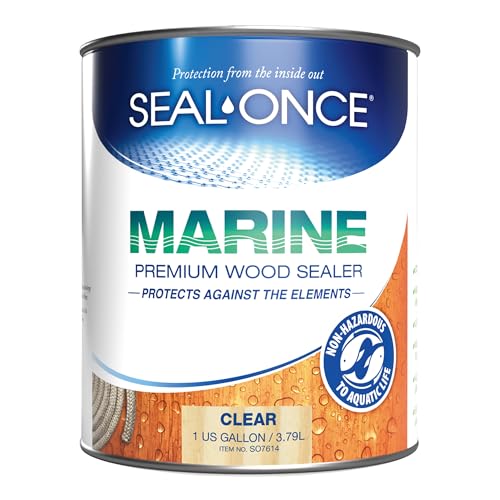
Once cleaning and repairs are done, consider applying a protective finish suitable for your material. Opt for a clear sealant that can help repel moisture and UV rays. This step extends the lifespan and maintains the appearance of your exterior decor. Use a soft cloth to apply the sealant evenly and allow it to cure as per the product instructions.
Assessing the Condition of Your Wicker Seating
I always begin by closely examining the material for signs of damage. Look for any signs of fraying or breaking strands, which can indicate structural issues that need addressing. If I find any loose elements, I gently tug to see if they can be re-secured or if they require replacement.
- Check for mold or mildew: Inspect areas that might retain moisture. A simple mixture of vinegar and water can help remove light stains.
- Evaluate the frame: Ensure that the underlying structure is sturdy. Any wobbling or creaking suggests a need for reinforcement.
- Look for discoloration: Fading may result from prolonged sun exposure. I note these areas as they might need refinishing.
- Feel for rough patches: Run my hand along the surfaces to identify any splintering, which can be smoothed out.
Each of these steps provides valuable insight into what repairs are necessary. I keep track of the condition and prioritize areas that show the most wear and tear. This systematic inspection helps ensure that every aspect is addressed before moving on to restoration efforts.
Choosing the Right Cleaning Products for Wicker
For revitalizing my outdoor seating, selecting appropriate cleaning agents is crucial. I prefer products that are gentle yet effective, ensuring that the natural fibers remain intact and undamaged.
Recommended Cleaning Agents
- Mild Soap: A diluted solution of dish soap works wonders. I mix a few drops with warm water, providing a safe way to remove dirt.
- Vinegar: White vinegar combined with water can help in eliminating mildew. It’s safe and acts as a disinfectant without harming the surface.
- Baking Soda: For stubborn stains, I create a paste with water. The gentle abrasiveness helps lift tough grime without scratching the fibers.
Products to Avoid
Some substances can cause irreversible damage. I steer clear of:
- Bleach: This can discolor and weaken the material.
- Harsh Chemicals: Ammonia and other strong cleaners may strip finishes and compromise structural integrity.
- Pressure Washers: High-pressure cleaning can crush the fibers and lead to unraveling.
With the right approach and products, I can maintain the beauty and functionality of my woven pieces for years to come.
Repairing Damaged Wicker Weaves and Frame
Begin by inspecting the damaged sections closely. Identify the type of damage–whether it’s a broken strand or a loose weave. For small tears, use a needle and strong thread to stitch the strands together. Ensure the thread matches the original color for a seamless look.
If the damage is more extensive, consider replacing the affected sections. Purchase raw material similar to the existing strands. Carefully remove the damaged weave using small scissors, and then weave the new material into place, mimicking the original pattern. Take care with the tension to maintain the structural integrity.
For a compromised frame, check for cracks or loose connections. Use sandpaper to smooth any rough edges before applying a wood adhesive. After the adhesive has set, reinforce the joints with small screws for added stability. If the frame is rusted, apply a rust-inhibiting primer followed by an exterior-grade paint to protect it from the elements.
Finish repairs by applying a clear sealant to the entire piece, ensuring long-lasting durability. This protective layer will help withstand weather conditions and extend the life of your item.
Sand and Prep the Surface for Painting or Staining
First, gather all necessary materials: fine-grit sandpaper (220-grit is ideal), a dust mask, safety goggles, and a vacuum or damp cloth for cleanup. Begin by inspecting the cane and frame for any rough spots or damage. Carefully sand these areas until smooth, ensuring the integrity of the structure remains intact.
Step-by-Step Sanding Process
1. Wear your dust mask and goggles to protect against debris.
2. Using fine-grit sandpaper, sand the entire surface lightly, following the direction of the weave. This technique helps to prevent fraying.
3. Apply extra attention to corners and joints, as these areas often trap moisture and may need more thorough sanding.
4. After sanding, use a vacuum or a damp cloth to remove dust and debris. This ensures a clean surface for the next step.
Preparing for Application
Once the surface has been smoothed, it is essential to assess any remaining imperfections. If needed, fill in small cracks or holes with wood filler and sand again after it dries. Ensure the area is fully dry before proceeding to paint or stain, as moisture can cause poor adhesion. Proper prep will enhance the durability and appearance of the finish, resulting in a fresh look that withstands the elements.
| Material | Purpose |
|---|---|
| Sanding Sponge | For smoothing out uneven surfaces |
| Vacuum | To clean up dust after sanding |
| Wood Filler | To repair dents and holes |
Selecting Weather-Resistant Paint or Stain
Choosing the right paint or stain is critical for prolonging the life of your rattan seating. I focus on products specifically labeled as weather-resistant or outdoor-rated. These formulations are designed to withstand UV rays, moisture, and the elements, ensuring the finish remains intact over time.
Types of Products
Latex-based paints offer flexibility and good UV resistance. Alternatively, oil-based stains penetrate deeply, enhancing the natural look while providing moisture resistance. I prefer semi-transparent stains, which protect the surface while allowing the texture of the material to show through. If opting for paint, a satin or eggshell finish works well, providing a durable surface with a subtle sheen.
Brands to Consider
Brands like Benjamin Moore and Behr provide reputable options for outdoor finishes. Look for products specifically made for outdoor use, as these will often include mildew inhibitors and UV block. I always check for customer reviews and product ratings to ensure I’m making a solid choice.
Applying Finish: Techniques for a Professional Look
For a flawless finish, I use a high-quality paintbrush or a foam roller. A brush allows me to reach intricate areas, while a roller provides an even coat on larger surfaces. Choosing the right tool makes a notable difference in the application.
Layering for Depth
After my base coat dries, I apply a second layer for depth. Light sanding between layers with fine-grit sandpaper ensures smoothness. I wipe away any dust before applying each subsequent layer for an immaculate appearance.
Sealing and Protection
To enhance durability, I apply a clear weather-resistant topcoat after the paint or stain is fully cured. This not only protects the color but also adds a subtle sheen, elevating the overall look. Regular reapplication of this protective layer extends the life of the finish.
Protecting Your Refurbished Furniture from the Elements
Utilize weather-resistant covers to shield your pieces from rain and UV rays. Invest in high-quality materials that resist water damage and fading. Ensure any cover fits snugly, preventing wind from lifting it and exposing your items.
Implement a routine of relocating your items during severe weather or prolonged exposure to moisture. Keeping them in a sheltered area can significantly extend their lifespan. Consider designing your outdoor space with this in mind.
Apply a protective sealant to add an extra layer of defense against the environment. Select products specifically formulated for your materials, ensuring they bond well and provide lasting protection. Reapply the sealant regularly based on manufacturer recommendations to maintain its efficacy.
Avoid leaving cushions or fabrics exposed during inclement weather. Opt for storage solutions that keep these elements dry and free from mildew. Outdoor storage bins or indoor spaces can help preserve the integrity of these components.
Be vigilant about regular maintenance checks, looking for any signs of wear or damage. Addressing even minor issues promptly can prevent them from escalating into major problems, safeguarding your investment over time.
Tips for Maintaining Refurbished Furniture
Regularly inspecting the restoration for signs of wear or damage is crucial. I check the weave for any loose strands or fraying, addressing these issues promptly to prevent further degradation.
Utilize a soft brush or a vacuum with a brush attachment to clean the surface weekly. This prevents dirt buildup that can wear down the finish over time. Avoid harsh cleaners that may strip the protective coating.
Apply a protective sealant annually, especially if the item is exposed to direct sunlight or moisture. This adds an extra layer of defense against the elements and prolongs longevity.
Store items in a shaded area or use covers during inclement weather. This practice minimizes exposure to harmful UV rays and prevents moisture damage.
Consider placing coasters or mats under items placed on the surface. This prevents scratches and enhances protection from spills or heat damage.
Use a damp cloth to wipe down surfaces occasionally, followed by a dry cloth to prevent water stains. This also helps maintain its aesthetic appeal.
Lastly, rotate cushions if applicable to ensure even wear. This promotes a more uniform appearance and extends the life of the upholstery.