
 Caleb Turner

Begin with a thorough cleaning using mild soap and water. This removes dirt and grease that can interfere with the finishing process. Avoid harsh chemicals that can damage the wood.
Next, sand the surface gently with fine-grit sandpaper, following the wood grain. This helps to eliminate imperfections and prepare the wood for staining or refinishing products. Take care to avoid removing too much of the original finish if you want to preserve the unique character of your piece.
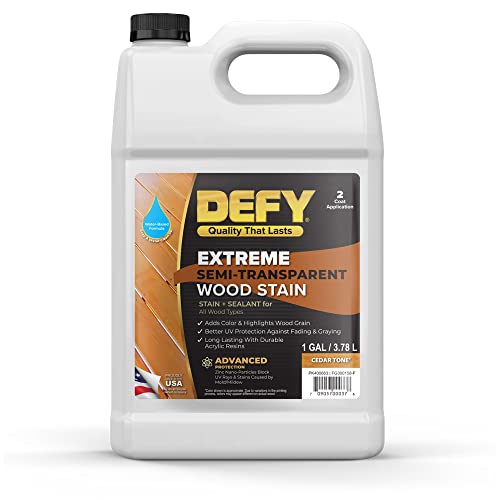
Once the surface is prepared, choose a high-quality stain or oil that complements the rich tones of the wood. Apply it with a clean cloth or brush, ensuring even coverage. Allow it to penetrate for the recommended time before wiping away excess product to avoid a blotchy appearance.
After staining, apply a protective topcoat. A polyurethane finish offers excellent durability while enhancing the natural beauty of the wood. Use a high-quality applicator and ensure that each layer dries completely before applying the next. This method not only preserves the integrity of the wood but also provides exceptional protection against wear.
Finally, allow the completed piece to cure for several days before putting it back into use. This ensures the finish hardens properly, providing a lasting shine and protection. Regular maintenance with furniture polish will help keep your vintage item looking its best.


Refinishing Techniques for Classic Wooden Pieces
Begin with a thorough cleaning. Use a soft cloth and a mild soap solution to remove dust and grime. Rinse with a damp cloth and ensure the surface is dry before proceeding.
For stripping old finishes, opt for a chemical stripper designed for wood. Apply it evenly with a brush, following the manufacturer’s instructions. After the finish starts bubbling, scrape it off gently with a plastic scraper to avoid damaging the wood.
Once stripped, sand the surface to achieve a smooth texture. Start with coarse-grit sandpaper (around 80-120 grit) to remove imperfections, gradually moving to finer grits (220 or higher) for a polished finish. Always sand in the direction of the grain.
If there are deep scratches or dents, use a wood filler that matches the tone. Let it dry completely, then sand it down to level it with the surrounding area.
Staining can enhance the natural beauty. Choose a stain that complements the original color. Test it on a small, inconspicuous area to confirm the desired effect. Apply with a brush or cloth, wiping off excess after a few minutes for a richer finish.
After staining, seal the surface with a protective layer. Polyurethane or a similar finish works well. Apply at least two to three coats, allowing adequate drying time between layers. Lightly sand between coats with fine-grit paper to achieve a smooth surface.
For maintenance, dust regularly and avoid direct sunlight to prevent fading. Occasionally, apply a furniture polish to keep the wood hydrated and maintain its luster.
Assessing the Condition of Your Mid Century Walnut Furniture
Begin with a close examination of the surface finish. Look for scratches, dents, or discoloration. If the surface appears dull, it may require treatment. Check for any peeling or flaking of the original coating, as this indicates prior wear.
Next, inspect the joints and legs for stability. Gently shake the piece to see if it wobbles or if any connections are loose. Tightening screws or re-gluing joints may be necessary to restore integrity.
Assess the wood for any signs of damage, such as water stains or deep gouges. For minor imperfections, sanding can help, but be cautious not to remove too much material. If there are loose or missing parts, like drawer pulls or hinges, consider replacing them with compatible components.
Watch for signs of pest infestations, including small holes or fine dust around the seams. If you find evidence of pests, take appropriate action before proceeding with any restoration efforts.
Evaluate the color of the wood. Over time, UV light may cause fading. If you aim to restore the original hue, note any areas that require particular attention during treatment.
Finally, take photographs for reference before you begin any work. Documenting the initial state helps track progress and ensures that any repairs maintain consistency with the original appearance.
Choosing the Right Tools and Materials for Refinishing
For this project, I prioritize quality tools and supplies. I recommend a good set of sanding sponges and sheets in various grits, typically ranging from 80 to 220 grit, for achieving a smooth finish.
Next, an orbital sander or a sanding block makes the task easier. The sander helps accelerate the process, while the block allows for precision in tight areas.
When it comes to stripping the old finish, I choose a chemical stripper that is safe and effective. Make sure to follow the manufacturer’s instructions for application and removal to avoid any damage.
A high-quality wood conditioner is vital. It prepares the surface for applying stain or oil evenly, preventing blotchiness. After conditioning, I select an oil-based or water-based stain, depending on the desired finish. Always test the stain on a hidden area to ensure satisfaction with the color.
For the final protective layer, I opt for polyurethane or lacquer, as they provide durability while enhancing the beauty of the wood. It’s crucial to apply it in thin coats, sanding lightly between applications for the best outcome.
Lastly, don’t forget safety equipment. A dust mask, gloves, and goggles help protect against dust and chemicals during the process.
| Tool/Material | Purpose |
|---|---|
| Sanding Sponges & Sheets | Smooth the surface |
| Orbital Sander | Efficient sanding |
| Chemical Stripper | Remove old finish |
| Wood Conditioner | Prepare surface for staining |
| Stain (Oil-based/Water-based) | Add color |
| Polyurethane/Lacquer | Protective finish |
| Safety Equipment | Protect against dust and chemicals |
Preparing the Surface: Cleaning and Stripping Old Finish
For a successful transformation, I focus on thoroughly cleaning and stripping the old finish. Start with a gentle soap solution; mix warm water with a mild dish soap. Dampen a clean cloth, and wipe down all surfaces to remove dirt and grease, allowing the wood to dry completely afterward.
Once cleaned, I assess the existing finish to determine the best stripping method. If it’s a lacquer or shellac, I apply a chemical stripper specifically designed for these types. I cover the furniture with plastic wrap to prolong the stripper’s effectiveness, following the product’s guidelines for dwell time. A putty knife helps in gently scraping off the loosened finish, and I proceed carefully to avoid damaging the wood beneath.
For oil-based finishes, a different approach is needed. I opt for a strong solvent, applying it with a clean cloth in a well-ventilated space. After saturation, I let it sit briefly before scrubbing with a fine steel wool or abrasive pad to lift the old finish, taking care to follow the wood grain.
Once the old coating is gone, I wash the surface again with soap and water to remove any residue from the stripping agents, then let it dry completely. Inspect the wood closely; if any stubborn spots remain, repeat the stripping process as necessary.
Concluding the prep work, I sand the surface using fine-grit sandpaper, progressing to a higher grit for a smooth finish, ensuring I’m always working with the wood grain. Vacuum up the dust thoroughly and wipe the surface with a tack cloth to be ready for the next step in the restoration process.
Sanding Techniques for a Smooth Finish on Walnut
I recommend starting with coarse grit sandpaper, such as 80 or 100 grit, to remove any old finish and imperfections. Use a sanding block for flat surfaces to ensure even pressure. For curved areas, a flexible sanding sponge or hand sanding will be more effective.
Move the sandpaper in the direction of the grain to avoid scratching the surface. This technique also enhances the natural beauty of the wood. After removing the bulk of the finish, switch to a medium grit, around 120 or 150, to refine the surface further.
For the final stage, I prefer using fine grit paper, typically 220 grit or higher. This step is vital for creating a silky texture. Ensure to sand all areas evenly, including corners and edges, where finishes often accumulate. A vacuum or tack cloth can remove dust between grits, maintaining cleanliness and reducing the risk of imperfections.
Pay attention to the hand feel; the surface should be smooth to the touch before proceeding to the staining or sealing stage. If the finish feels rough after sanding, additional passes with finer grit may be necessary. Always check your work under good lighting to spot areas that may need more attention.
Remember, patience is key. Rushing through the sanding process can lead to unsatisfactory results, detracting from the piece’s overall appearance. Sanding is not just about removing old layers; it’s about preparing the canvas for a beautiful new finish.
Selecting and Applying Stains for a Rich Color
Choosing the right shade can transform the appearance of the wood. I recommend using oil-based stains, as they penetrate deeply and enhance the natural grain.
- Test your stain on a small inconspicuous area or a scrap piece to see how it interacts with the wood.
- For a warm, rich hue, consider dark walnut or ebony stains. These options complement the natural undertones while adding depth.
- If you prefer a lighter color, try a clear stain with a hint of amber for a sun-kissed look.
Application is key for achieving an even finish. I use a clean, lint-free cloth or a foam brush, working in small sections. Here’s the procedure I follow:
- Apply a generous amount of stain, allowing it to sit for several minutes.
- Wipe away excess with a clean cloth, following the wood grain pattern.
- Let it dry thoroughly, checking for any areas requiring touch-ups.
After the first coat, assess the color. If desired, apply additional coats for a deeper tone. Remember, patience yields the best results, so allow proper drying time between applications.
Sealing and Protecting the Finished Surface
For a durable finish, I recommend applying a high-quality polyurethane or a natural oil finish. Polyurethane provides a robust barrier against scratches and moisture, making it ideal for pieces that see frequent use. If a more natural look is preferred, consider using tung oil or Danish oil, which penetrate the wood and offer a warm, rich sheen.
Before the application, ensure the surface is completely dry and free from dust. For polyurethane, I use a foam brush or a clean lint-free cloth to apply an even coat. I prefer working in thin layers, allowing each coat to dry thoroughly, usually for at least 24 hours, before lightly sanding with fine grit sandpaper (around 320 grit) to create a smooth surface. This step enhances adhesion for subsequent coats.
Two to three coats of polyurethane suffice for standard protection; however, for high-traffic items, I opt for four to five layers. If using oil, I apply it generously to fully saturate the wood, then wipe off any excess after 15-20 minutes. Reapplication may be necessary every few years to maintain the luster and protective qualities.
Don’t forget to check for compatibility between your chosen finish and the stain used earlier. Some finishes may react adversely with certain dye formulations, which could affect the final tone. Conducting a patch test in an inconspicuous area ensures that the color remains true.
Lastly, to prolong the life of the finish, I recommend keeping the item out of direct sunlight and using coasters or placemats to prevent damage from heat and moisture. Regular dusting with a soft cloth helps maintain its beauty without scratching the surface.
Maintaining Your Refurnished Walnut Furniture
Regular dusting with a soft, lint-free cloth keeps surfaces clean. Avoid abrasive materials that can scratch the varnish. I use a slightly damp cloth for stubborn dirt but ensure it’s not soaking wet to prevent moisture damage.
For deeper cleaning, I opt for a mild detergent mixed with water. After applying, I wipe it off with a clean, damp cloth, then dry immediately. This method maintains the finish and color without harming the wood grain.
To protect the surface, I apply a quality furniture polish every few months. I choose a product that’s free from silicones and harsh chemicals, as these can build up or dull the shine over time. A little goes a long way; I apply it with a soft cloth, buffing gently until the surface gleams.
Direct sunlight can fade the finish, so I avoid placing items in bright areas. If possible, I use curtains or blinds to control light exposure. Additionally, I reposition my pieces every season to ensure even exposure.
For occasional scratches, I keep a touch-up pen or marker in a matching shade handy. These are perfect for blending imperfections. I carefully apply it to the affected area, then blend with a soft cloth.
Lastly, ensuring proper humidity levels within my space protects against warping and cracking. Using a humidifier in dry months helps maintain a stable environment.


