Caleb Turner

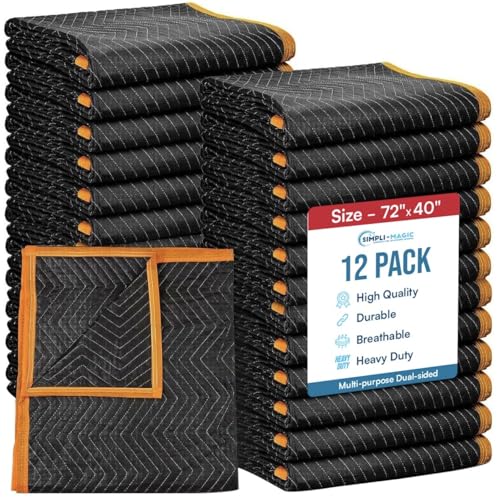
I advise gathering all necessary materials before diving into your restoration project. You will need a high-quality brush, a fine-grit sandpaper, and a dust mask to protect yourself. Don’t forget to stock up on your desired coating; select a shade that complements your space. Preparing your workspace by laying down a drop cloth will save you from potential mess.
After selecting your piece, start by cleaning it thoroughly. Remove any dust or grease using a damp cloth. For surfaces with heavy grime, a gentle soap solution can be beneficial. Once dry, lightly sand the original surface to promote adhesion of the new layer. Keeping sanding minimal is key; you don’t want to strip the piece entirely.
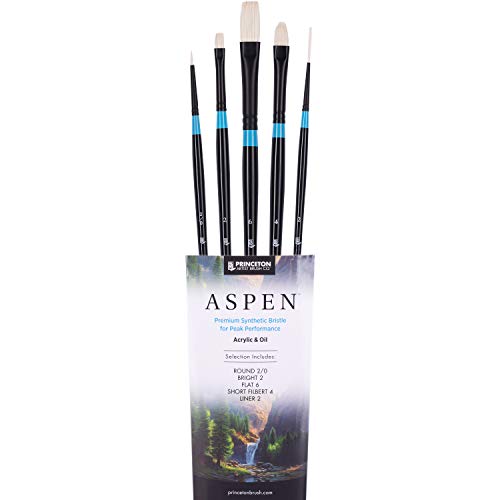


Once the prep work is complete, apply your selected finish. Use even strokes to ensure an even application, taking care to avoid drips. Depending on the original hue and texture, two coats may be necessary for full coverage. Allow ample drying time between layers to achieve the best results. After the final layer, a protective topcoat can enhance durability and add shine.
Steps for Transforming Vintage Items Using Specialty Coating
Ensure proper surface preparation before applying the coating. Clean the item thoroughly, removing dust and dirt. If there are flaking layers, gently sand the surfaces to create a smooth base for adhesion.
Choosing the Right Product
Select a high-quality specialty coating designed for furniture. Look for options that provide good coverage and durability. Availability in various colors allows customization to match desired aesthetics.
Application Techniques
- Use a synthetic brush for a smooth finish. A chalk-style applicator can add texture if desired.
- Apply in thin layers, allowing each coat to dry fully before adding the next. This prevents drips and uneven surfaces.
- For a distressed look, sand edges once the final coat dries to expose the base material.
Finish with a protective clear wax or sealer to enhance longevity and resistance to wear. Apply according to product instructions for optimal results.
Choosing the Right Chalk Paint for Your Project
For my projects, selecting the right chalk coating is paramount. I focus on brands known for durability and ease of application, such as Annie Sloan, Dixie Belle, and Rust-Oleum. Each offers a unique finish, so I compare their color palettes and textures before deciding.
Color Selection
Choosing colors can dramatically impact the final appearance. I often sample swatches on the item to see how they interact with light and surrounding decor. Neutrals tend to work well for a versatile look, while bold shades can make a striking statement.
Finish Types
The finish is another key aspect. A matte finish provides a rustic feel, while a satin sheen adds a touch of elegance. I typically review each product’s specifications to understand how the finish will hold up over time and consider whether a wax or topcoat will be necessary for added protection.
Preparing Your Furniture for Refinishing
Clean the surface thoroughly using a mixture of warm water and mild soap. This removes any dirt, oils, or residues that may hinder adhesion later.
Inspect for any damage such as scratches or dents. Use wood filler to repair these imperfections. After it dries, sand the area smoothly to ensure a uniform look.
Remove any hardware like knobs or hinges, as these can obstruct your application. Label them to make reassembly easier.
Lightly sand the entire piece to create a rough surface for better grip. Use a fine-grit sandpaper to avoid deep scratches. Wipe down the furniture afterward to eliminate dust particles.
If the surface has a glossy finish, consider using a primer specifically designed for challenging surfaces. This extra step enhances the outcome and durability of your new finish.
Conduct a spot test on an inconspicuous area to ensure compatibility and desired results before proceeding with the entire project.
Techniques for Applying Chalk Paint Smoothly
Achieving a flawless finish is critical. I recommend using a high-quality synthetic brush for even application. The bristles should be stiff enough to carry the product yet flexible to glide over surfaces seamlessly. Always apply in long strokes to prevent brush marks.
Layering Effectively
Thin layers yield better results. Start with a light coat, allowing it to dry completely (usually about 30 minutes). This prevents drips and helps avoid a thick appearance. After drying, lightly sand between coats using fine-grit sandpaper to create an ultra-smooth surface. Ensure you remove any dust afterward.
Using a Roller for Larger Surfaces
A foam roller can be beneficial for expansive areas. It distributes the product evenly and reduces the risk of streaks. Use a brush for edges and corners to ensure complete coverage. Always work in sections to maintain a wet edge, eliminating lines created by drying.
For intricate designs, employ a smaller brush to reach detailed areas. This prevents excess product from settling unevenly and allows control over the precision required for ornamental features.
Finishing touches matter. Once the final coat is dry, a clear wax or a matte sealer can enhance durability and add a uniform sheen to the surface.
Finishing Techniques to Enhance Your Chalk Painted Furniture
To achieve a polished look after applying your chosen hue, consider using a topcoat. Water-based polyurethane provides a durable finish and is easy to apply. I prefer applying it with a high-quality synthetic brush for a smooth application.
Wax Application
For a softer finish, clear or tinted wax can be an excellent choice. Follow these steps:
- Apply a thin layer using a natural bristle brush or cloth.
- Work in small sections, ensuring the wax is evenly distributed.
- Allow it to cure as per the manufacturer’s instructions, often around 24 hours.
- Buff with a soft cloth for a subtle sheen.
Distressing Techniques
To create character, distressing can give an antique appearance. Here’s how I do it:
- Lightly sand edges and raised details using fine-grit sandpaper.
- Focus on high-contact areas to simulate natural wear.
- Optionally, apply a dark wax in those areas to enhance depth.
An assortment of finishing techniques improves both aesthetics and durability, ensuring your project exudes charm and personality. Test any method on a small, inconspicuous area first to see how the finish interacts with the base color.
Sealing and Protecting Your Painted Surface
To ensure longevity, I recommend applying a quality sealer after allowing your application to dry completely. Consider using wax or a water-based polyurethane to achieve a durable finish. For a more natural look, clear wax works wonders, imparting a subtle sheen while protecting against scuffs and stains.
When using wax, apply a thin layer using a soft cloth, working it into the surface in a circular motion. Allow it to cure for about 24 hours, then buff to enhance the finish. This not only adds depth but also creates an additional barrier against wear.
If opting for polyurethane, apply it with a synthetic brush or foam applicator in thin, even coats. This method helps avoid drips and ensures a smooth finish. Allow each layer to dry thoroughly, as per the manufacturer’s instructions, and lightly sand between coats for optimal adhesion.
For high-traffic items, multiple coats of sealer will significantly improve durability. Typically, two to three layers of polyurethane offer robust protection, while still allowing for the character of your transformation to shine through.
Keep in mind the environment where the piece will be placed. If exposed to moisture, a water-resistant sealer would be ideal. Regular maintenance will help preserve the surface, preventing chipping and fading over time.
Finally, always test your chosen sealer on an inconspicuous area to ensure compatibility before applying it to the entire piece. This simple step gives peace of mind and guarantees that your hard work remains intact for years to come.
Tips for Achieving a Vintage Look with Distressing
Choose the right tools: A fine grit sandpaper (220 or higher) and a damp cloth are essential for distressing techniques. Start with the areas that would naturally wear over time, like edges and corners.
Specific Techniques
For a more authentic appearance, consider layering techniques. Apply a base coat in a muted tone, then a top coat in a lighter shade. Once dry, gently sand through the top layer in high-wear areas to reveal the base color.
Experimenting with Wax
Apply a clear or dark wax to enhance the textures and provide depth. After distressing, a wax finish can deepen the look, giving it an aged patina. Make sure to buff it out to achieve a soft sheen.
| Distressing Technique | Description |
|---|---|
| Sanding | Gently sand edges and raised surfaces to create a worn look. |
| Chipping | Use a putty knife to chip away at the paint in select areas for an aged effect. |
| Color Wash | Apply a dilute mix of paint and water after distressing for a subtle color variation. |
Always make slight adjustments during the process; there’s no perfect method, and personal touch is crucial for uniqueness.
Common Mistakes to Avoid When Using Chalk Paint
Avoid skipping surface preparation; I ensure that I clean and lightly sand every piece before applying any coating. This step is crucial for better adhesion and prevents peeling later.
Not testing colors on a small area can lead to disappointment. I always start with a small swatch to see how the color dries and interacts with the wood.
Overloading the brush leads to uneven coverage. I use a moderate amount of material on the brush and apply thin, even layers, building up as necessary.
Rushing the drying process often results in flaws. I allow ample time between coats, so each layer properly cures and adheres.
Neglecting to use a sealer can leave my project vulnerable to scratches and stains. I always choose a high-quality protective finish to enhance durability.
Forgetting about distressing can rob the piece of character. I incorporate this technique selectively to highlight edges and create a weathered look.
I steer clear of using solvents that can damage my work. Instead, I opt for water-based products, which are safer and simpler to clean up.
Not protecting surrounding areas can lead to unwanted mess. I take the time to cover floors and other objects to avoid splatter or drips.
Ignoring the importance of ventilation is a mistake I don’t make. I always work in a well-ventilated area for my safety and comfort.
Finally, I avoid the “one-size-fits-all” approach. Different materials may require specific techniques, so I adjust my methods according to the unique characteristics of each piece.
Caring for Chalk Painted Furniture Over Time
Regular cleaning is crucial for maintaining the beauty of your revamped items. I use a soft, damp cloth to gently wipe surfaces, avoiding any harsh chemicals that could damage the finish. A pH-neutral soap can be utilized for deeper cleaning, ensuring to rinse thoroughly and dry immediately to prevent moisture absorption.
Addressing Scratches and Scuffs
For minor scratches, I apply a small touch of the original coating using a fine brush or a cotton swab. This helps to restore the area without needing to redo the entire piece. If I encounter deeper marks, I lightly sand the affected area and reapply the desired layer of coating for a seamless appearance.
Preventing Fading and Damage
To shield surfaces from sunlight, I position items out of direct rays or use curtains. For protection against spills or stains, I place coasters under drinks and cloths under decorative items. Regularly assessing the condition allows me to address issues before they become significant problems, maintaining the charm of my pieces for years to come.