Caleb Turner

Begin with a thorough cleaning. Use a mixture of mild soap and water to eliminate dirt and grime. A soft-bristle brush can help reach crevices without damaging the surface.
Next, inspect the items for any signs of wear or damage. Make repairs as needed; this might include tightening joints or replacing worn parts. Proper upkeep ensures longevity.
Afterward, sand the surfaces gently with 120-grit sandpaper to remove any peeling finish and smooth rough areas. Always follow the grain to avoid scratches that could detract from the final appearance.
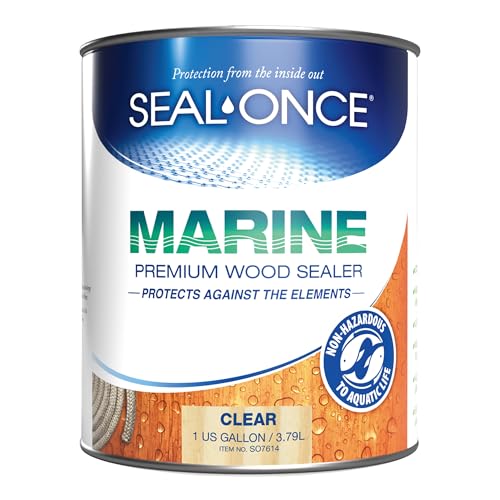


Once sanded, wipe down the pieces with a damp cloth to eliminate dust. Allow them to dry completely before applying your chosen stain or sealant. A high-quality outdoor finish will provide protection against the elements and enhance the natural beauty.
Apply the product in thin, even coats using a brush or roller, and allow adequate drying time between each layer. Two to three coats are often ideal for a robust finish. Finally, let the items cure fully before placing them back in your outdoor space for gatherings and relaxation.
Refinishing IKEA Outdoor Furniture
Begin with a thorough cleaning of the surface using a mild soap solution and a soft cloth to remove dirt or grime. Let it dry completely.
I recommend sanding the entire surface with fine-grit sandpaper (around 220 grit) to smooth out any imperfections and to prepare the wood for a new protective layer. Always sand in the direction of the grain.
Select a suitable outdoor sealant or stain designed specifically for wood. Ensure it provides weather resistance. I prefer an oil-based option for deeper penetration and lasting protection.
Apply the sealant using a high-quality brush or a foam applicator. Work in sections to ensure even coverage. Follow the manufacturer’s instructions regarding drying time between coats; usually, two to three coats will suffice for optimal durability.
Don’t forget to inspect and touch up any missed spots after the first coat dries. This guarantees complete coverage. Finally, allow the furniture to cure for several days in a shaded area before returning it outdoors.
Assessing the Condition of Your Outdoor Seating Arrangements
I take a systematic approach to evaluate the state of my external seating pieces, ensuring I identify any necessary restorations before proceeding. The first step is to inspect for visible wear and tear.
- Check for Scratches: I closely examine surfaces for scratches or dents that may affect aesthetics and protection.
- Look for Stains: I assess any discolorations caused by spills or weather exposure, as these can affect the material’s integrity.
- Assess Structural Integrity: I examine joints, legs, and overall stability. Any wobbling indicates potential weakness that needs addressing.
Next, I focus on the finish of the items. I determine whether the existing top layer is peeling, fading, or flaking, as this can influence both appearance and durability.
- Inspect the Color: Faded colors indicate that protective coatings may need refreshing to restore original vibrancy.
- Check for Mildew: I look for any mold or mildew spots, which are common in humid environments and should be cleaned immediately.
Lastly, I consider the environment where these pieces are placed. Prolonged exposure to sun or moisture can accelerate deterioration, influencing my maintenance decisions.
- Sun Exposure: I note any items that receive intense sunlight, recommending protective coverings or changes in arrangement.
- Moisture Factors: If nearby plants or structures create excessive moisture, I take steps to mitigate this risk.
By thoroughly examining these aspects, I ensure my external seating pieces are ready for any necessary enhancements, ensuring longevity and enjoyment.
Choosing the Right Finish for IKEA Materials
I recommend starting with the specific material of your pieces. For wooden items, opt for a high-quality wood stain or outdoor sealant that protects against moisture and UV rays. Water-based finishes are ideal as they dry quickly and emit fewer harmful fumes.
For Metal Structures
With metal components, rust-resistant paint or powder coating works best. Choose a finish designed specifically for metal, ensuring it withstands weather conditions while maintaining appearance. Look for a product that provides a protective layer to prevent oxidation.
Plastic and Composite Choices
For items made from plastic or composite materials, a UV-resistant spray is optimal. Ensure that the spray is designed for plastics to enhance durability. Check the manufacturer’s guidelines to confirm compatibility with your products.
Test first, on a small area to see how the finish adheres and looks after drying. This step ensures that the final result meets expectations before committing to a full application.
Preparing the Surface for Refinishing
The first step involves thoroughly cleaning the pieces. I use a mixture of mild soap and water, applying it with a soft cloth to remove dirt and grime. After rinsing, I let the items dry completely to prevent moisture from affecting the finish.
Removing Old Finish
If any previous coating is present, I opt for a chemical stripper or sandpaper, depending on the surface material. For wood elements, using medium-grit sandpaper helps to eliminate the old layer effectively. I always sand in the direction of the grain to avoid scratches.
Filling Imperfections
Next, I inspect for dents, scratches, or other damages. For wood, I utilize wood filler to repair these imperfections. After it dries, I sand it smooth to ensure a uniform texture across the surface. I also check metal parts for rust and sand them down if necessary.
| Step | Description |
|---|---|
| Cleaning | Use mild soap and water to remove grime. |
| Strip Old Finish | Apply chemical stripper or sandpaper as needed. |
| Repair Damage | Fill dents and scratches with appropriate filler. |
| Smoothing | Sand to achieve a uniform surface. |
This preparation stage is critical for achieving a lasting and appealing outcome in the finishing process. Proper attention to these details ensures that the end result meets my expectations.
Step-by-Step Sanding Techniques for Outdoor Items
Begin with the right grit sandpaper. For initial work, I choose 80-grit to tackle rough patches and old finish. This coarser texture helps remove the old surface effectively.
Once the bulk of the old layer is off, switch to 120-grit sandpaper. This grade smooths the surface, preparing it for the final touches. Sand in the direction of the grain to prevent scratches.
After achieving a smoother finish, I transition to 220-grit for the final sanding pass. This ultra-fine paper creates a silky texture, eliminating any visible marks left from previous grits.
For hard-to-reach areas, I utilize sanding sponges or detail sanders. Their flexible nature allows me to navigate corners and intricate designs more easily.
It’s essential to keep the surface clean. I frequently wipe down the item with a damp cloth during sanding to remove dust buildup. This keeps my work area tidy and ensures an even surface.
To check progress, I run my hand over the surface periodically. The texture should feel consistently smooth without any rough spots. If any are felt, I repeat sanding in those areas.
After completing the sanding process, I ensure to remove all dust thoroughly before applying any finish. A clean surface adheres better to the new treatment, ensuring durability.
Lastly, I always wear proper safety gear, including a mask and goggles. Protecting my health during this process is a priority.
Applying Stain or Paint: Best Practices
Choose high-quality stain or paint formulated for exterior application. This ensures longevity and better protection against weather elements.
Before starting, mix the stain or paint thoroughly to achieve a consistent color. I prefer using a stir stick rather than shaking the can, as shaking can introduce air bubbles.
Utilize a high-quality brush or a foam applicator for even application. Brushes allow for better control around edges and intricate details, while foam applicators work well for smooth surfaces.
Always work in the direction of the wood grain. This not only enhances the finish but also reduces the appearance of brush strokes. For larger areas, using a paint roller can save time without sacrificing quality.
Apply multiple thin coats rather than one thick layer. Thin coats dry more smoothly and avoid drips, leading to a more professional look. Follow the manufacturer’s recommended drying times between coats, typically around one to two hours.
For staining, consider using a cloth or sponge applicator that allows for better absorption into the wood. Wipe off any excess stain after a few minutes to prevent blotches and ensure an even finish.
Don’t forget to pay attention to weather conditions. Ideally, choose a calm day without direct sunlight to prevent the finish from drying too quickly, which can lead to an uneven appearance. Morning or late afternoon is usually best for optimal application.
Finally, ensure proper ventilation when working with stains and paints. This not only protects your health but also improves drying times and overall finish quality.
Sealing the Finish for Longevity
To ensure durability, I recommend applying a high-quality sealant that is compatible with the stain or paint used. Choose a clear, water-repellent product designed for exterior surfaces. This forms a protective layer that prevents moisture damage and UV fading.
Steps to Apply Sealant
- Allow the paint or stain to cure thoroughly for at least 24-48 hours before sealing. This ensures proper adhesion.
- Clean the surface lightly with a soft cloth to remove any dust or debris.
- Use a paintbrush or roller to apply an even coat of sealant. Work in sections to avoid overlapping.
- Follow the manufacturer’s instructions for drying time, usually around 1-2 hours for the first coat.
- Apply a second coat if recommended, especially in areas exposed to heavy rainfall or sunlight.
Maintenance Tips
Regular maintenance will enhance longevity:
- Inspect the surface every season for signs of wear or damage.
- Reapply sealant every year to maintain protection.
- Clean with a mild soap solution to prevent grime buildup.
By following these steps, I ensure that my outdoor pieces stay in excellent condition for years, resisting the elements and preserving their appearance.
Maintaining Your Recently Refinished Furniture
To ensure longevity, I clean the surface regularly with a mild soap solution. Avoid harsh chemicals that can degrade the finish. A soft cloth works best to prevent scratches.
Periodic inspection of the surface is crucial. I check for any signs of wear or damage. If I notice any scratches or scuffs, I lightly sand the affected area and apply a touch-up coat.
I keep the items dry when not in use. If exposed to rain, I ensure they dry completely. For sunny days, I consider using a protective cover to shield them from excessive UV exposure.
Annual maintenance is key. I give them a thorough cleaning and re-evaluate the protective layer. Depending on the condition, I might apply a fresh coat of sealant to keep the finish intact.
When storing during colder months, I opt for a shaded area or indoors. This prevents moisture buildup and warping, preserving the integrity of the materials.
Finally, I handle them gently. Avoid dragging or pushing to prevent any structural damage. By incorporating these practices into my routine, I keep my refined pieces looking fresh and vibrant.
Tips for Refinishing Furniture in Different Weather Conditions
For optimal results, always choose dry, mild conditions. Avoid direct sunlight or windy days, as these can disrupt the drying process and affect the finish quality.
In humid environments, I ensure that I have ample drying time. High moisture can lead to prolonged curing times and potential issues with the coating adherence. It’s advisable to use moisture-resistant products that dry well in these conditions.
On the flip side, in excessively dry climates, I often increase the humidity artificially by using a humidifier in the workspace. This helps the finish to cure properly without drying out too quickly, which may lead to cracking.
| Weather Condition | Recommended Practices |
|---|---|
| Cold Temperatures | Use heat lamps or space heaters to maintain a suitable temperature for application. |
| Sunny Days | Work in shaded areas to prevent finish from drying too fast, leading to unsatisfactory results. |
| Windy Conditions | Set up a windbreak to protect the surface from debris that can mar the finish. |
| High Humidity | Opt for fast-drying materials and allow for extended curing times. |
| Dry Climates | Introduce moisture through a humidifier to minimize the risk of unexpected drying. |
I always pay attention to the weather forecast to plan my project days. This step greatly contributes to achieving an appealing and durable result. The right conditions not only enhance the finish but also extend the lifespan of the pieces I work on.