
 Caleb Turner
If you want to breathe new life into worn-out pieces while adding a touch of rustic charm, prepare your materials wisely. Begin by gathering chalk paint in soft, muted tones that evoke a sense of nostalgia. This type of paint adheres beautifully to various surfaces, providing that desired matte finish.
Once you have your paint, ensure the surface is clean and slightly sanded to promote adhesion. Use a soft cloth to wipe away any dust before applying a base coat. A simple brush will suffice, but for a more textured appearance, try a roller.
After your initial coat dries, it’s time to apply a second layer, focusing on areas that need more coverage. This technique will help create an uneven, yet appealing look. Once everything is dry, consider distressing edges with sandpaper, which reveals underlying colors and gives a naturally aged appearance.
Finally, seal your masterpiece with a clear wax or matte finish for added durability. This last step not only protects your work but also enhances that aged patina, completing the transformation into a true vintage gem.
Transforming Your Piece with Vintage Appeal
Begin by preparing your workspace. Clear the area and lay down a drop cloth to protect your floors. Ensure the item is clean and dust-free.


Remove any hardware such as handles or knobs to prevent damage. Use a sander or sanding sponge to eliminate the old finish, focusing on surfaces with chips or scratches. Aim for a smooth base that promotes even application of the new coating.
Choosing the Right Paint
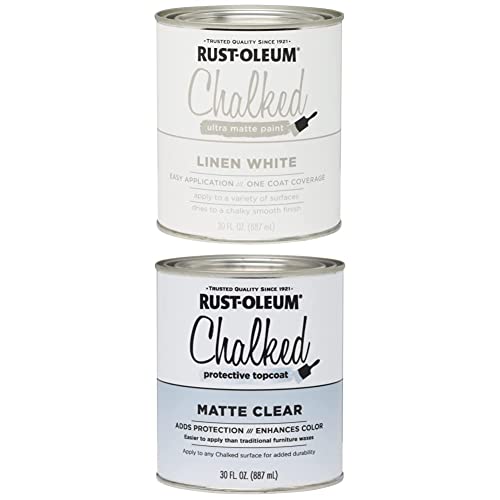
Select a suitable paint in pastel or muted tones. Chalk paint is a popular option for this aesthetic due to its matte finish and ease of use. Apply a base coat evenly, allowing sufficient time for drying.
Creating Distressed Effects
- After the base layer dries, lightly sand specific edges and corners to create a worn appearance.
- Consider applying a second color for added depth. When the second layer dries, repeat the sanding process to reveal the base coat.
- For intensified effects, use wax or a clear coat to seal and protect the finish while adding charm.
Reattach any hardware once the final coat is completely dry. This small touch enhances the vintage allure of your revitalized piece.
Choosing the Right Items for Vintage Aesthetic
First, seek out pieces with character. Look for items that showcase wear, such as chipped paint or distressed surfaces. These elements add authenticity to the desired elegance.
Focus on materials that complement this aesthetic. Wood, especially pine or oak, is preferred. Metal accents or ornate details contribute to the charm of a vintage vibe.
Identifying Suitable Styles
Opt for styles that evoke nostalgia. Table designs from the farmhouse range or old-world charm provide the perfect backdrop. Look for curvy legs, intricate carvings, and soft, muted colors.
Size and Functionality
Consider the scale of the items. No matter how appealing, oversized pieces may dominate a space. Ensure each selection serves a purpose while fitting harmoniously into your setup.
With these guidelines, I’ve crafted an environment that emanates warmth and character, reflecting a timeless charm in my space.
Preparing Your Workspace for Furniture Refinishing
Clear and organize your workspace before beginning any project. I prefer designating a specific area, often in a garage or a well-ventilated room, to minimize distractions and safeguard my surroundings from dust and debris.
Necessary Supplies
Gather essential supplies: drop cloths, painter’s tape, sandpaper in various grits, brushes, paint or stain, a paint tray, and protective gear like gloves and a mask. Having everything at hand prevents interruptions and allows a smooth workflow.
Ventilation and Safety
Ensure excellent airflow by opening windows or using fans. Adequate ventilation is crucial when using materials that emit fumes. Always wear a mask and safety glasses to protect against dust and harmful substances.
| Supplies | Purpose |
|---|---|
| Drop cloths | Protect floors and surfaces from spills and drips. |
| Painter’s tape | Prevent paint from mishitting surfaces during application. |
| Sandpaper | Prepare surfaces for better paint adherence. |
| Paint brushes | Apply paint or finish uniformly. |
| Protective gear | Safeguard personal health while working. |
Organizing your tools and materials will not only speed up the process but also enhance the quality of your work and ease the entire experience.
Removing Old Finish: Techniques and Tips
Begin with a thorough inspection of the piece. Identify areas where the finish is chipping or peeling, as they often indicate weak spots that require special attention.
Consider these methods for stripping the old topcoat:
- Chemical Strippers: Apply a chemical paint stripper using a brush. Follow the manufacturer’s instructions, allowing the solution to work for the recommended time. Use a scraping tool or putty knife to gently remove the softened finish.
- Heat Gun: A heat gun can help loosen finishes. Hold it a few inches away from the surface and move it back and forth. As the finish bubbles, scrape it off with a putty knife.
- Sanding: For small areas, sandpaper can effectively remove the finish. Start with coarse grit and gradually move to a finer grit for a smooth surface. Ensure to follow the wood grain to prevent scratches.
Safety is paramount. Always work in a well-ventilated space and wear gloves, goggles, and a mask to protect yourself from fumes and dust.
After stripping, thoroughly clean the surface. Use a damp cloth to remove any residual chemicals or dust, allowing it to dry completely before moving on to the next steps.
Test a small section when applying any new product, ensuring compatibility and desired results before treating the entire piece. This approach saves time and materials.
Ultimately, maintaining patience throughout this phase ensures a smoother outcome for your transformation project.
Repairing Damages on Your Furniture Before Refinishing
First, inspect for cracks and splits in the wood. For minor fissures, apply wood glue and clamp the area until dry. If the damage is more significant, use wood filler to even out the surface after gluing. Ensure that the filler matches the wood grain as closely as possible for a seamless appearance.
Next, address any missing or loose hardware. Replace broken knobs or hinges and secure loose joints with screws or wood glue. This will guarantee functionality after the makeover.
For deep scratches, gently sand the affected area with fine-grit sandpaper, smoothing it to blend with the surrounding finish. For stubborn stains, try a mixture of vinegar and olive oil to lift them before sanding.
If there are any wobbly legs, tighten screws or replace them. Installing additional corner braces can enhance stability for structures that require more support.
Finally, check for any pest damage. If you find signs of insects, treat the area with an appropriate pesticide to eliminate the issue before proceeding with your restoration efforts.
Selecting the Perfect Paint and Topcoat for a Shabby Chic Style
I recommend opting for chalk paint or milk paint for achieving that desired vintage aesthetic. These types of paints provide excellent coverage, a matte finish, and allow for easy distressing. Choose soft, pastel shades or muted tones such as light blues, pale pinks, or creamy whites to create a classic appearance. Remember, selecting the right color is crucial; it can set the mood for the entire piece.
Preparation of Paint
Always stir your paint thoroughly before use to ensure even consistency. Testing the paint on a small, inconspicuous area or a scrap piece can help you visualize the final effect. If I want a more opaque finish, I apply multiple coats, allowing each to dry adequately before adding the next layer.
Choosing the Right Topcoat
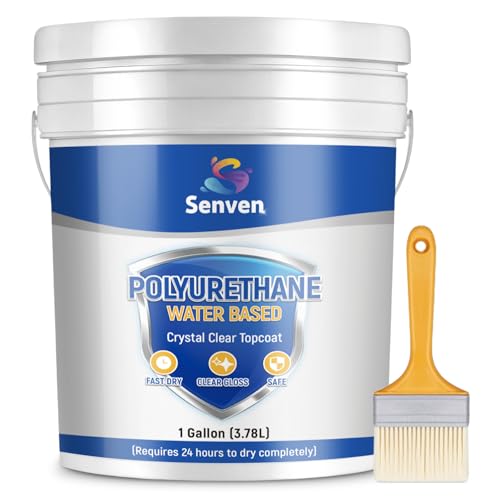
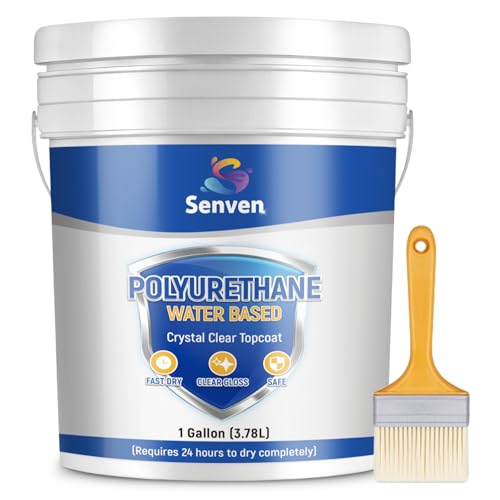
A water-based polyurethane is ideal as a protective layer, especially if durability is a concern. It dries clear and won’t alter the paint color, which is essential for maintaining the soft hues of your project. If a more natural look is preferred, I often choose a wax finish, applying it with a soft cloth to enhance the texture, giving an authentic aged appearance. Remember to buff it lightly after application to achieve a subtle sheen.
Applying Paint: Brush vs. Spray Techniques
I prefer using a brush for a more controlled application, especially when working on intricate details and edges. A good quality bristle brush allows me to push paint into crevices and achieve a smooth finish. Dampen the brush slightly before dipping it into paint to prevent it from absorbing too much and creating drips.
Brush Application Tips
When using a brush, I apply the paint in long, even strokes. I also work in sections to maintain a wet edge, which helps avoid lap marks. For a textured finish, I sometimes use a stippling technique by lightly tapping the brush on the surface. If I’m aiming for a distressed vibe, I opt for a semi-dry brush for a more textured appearance.
Spray Technique Advantages
Spraying is my go-to for large surfaces, allowing for a quick, even coat. I use a spray can for smaller projects and an air compressor for larger pieces. To minimize overspray, I ensure proper ventilation and mask off areas I want to protect. A consistent distance of about 12 inches between the nozzle and the surface provides the best results.
Regardless of the method, I always sand lightly between coats to promote adhesion and achieve a refined finish. Once I’ve applied the final coat, I let it cure well before distressing. This helps ensure a durable, beautiful appearance that feels effortlessly aged.
Creating Distressed Finishes for Authenticity
To achieve an authentic distressed appearance, I often begin by layering various techniques that mimic natural wear and tear. Start with a base coat of muted color; light shades like pale blue or soft cream work wonderfully as a foundation.
Layering and Distressing Techniques
After the base coat dries, apply a slightly darker top coat. Use a brush for a textured finish. Then, once dry, employ sandpaper or a sanding block to gently wear down edges and areas of high contact, such as corners and handles. This process reveals the base color beneath, creating depth.
I also explore the use of wax or other finishes. A clear wax can soften the overall look while adding protection. You can mix paint with the wax for a tinted effect, providing a unique patina.
Tools and Materials
| Tool/Material | Purpose |
|---|---|
| Sanding Block | To smooth surfaces and create wear |
| Brushes | For applying paint with texture |
| Wax | For protective finish and soft patina |
| Cloth | For buffing wax |
Experiment with different tools and approaches. I sometimes add dabs of paint or even use a sponge to create a stippled effect. This randomness brings charm and character to each piece, ensuring that no two items look the same.
Finishing Touches: Waxing and Style Accessories
For a polished appearance and protection, I recommend applying a high-quality wax after painting. Use a natural beeswax or a soft finishing wax for the best results. Here’s how I do it:
- Choose a clean, lint-free cloth.
- Apply a small amount of wax and rub it into the surface in circular motions.
- Allow it to haze over for about 15-30 minutes.
- Buff the surface with a clean cloth to achieve a soft sheen.
This technique not only enhances the color depth but also adds a subtle, inviting texture. Moreover, it protects against minor wear and tear, maintaining the charm of my piece.
Incorporating style accessories can elevate the overall aesthetic. Here are some favorites that complement the look:
- Soft, pastel-colored throws and cushions add warmth.
- Antique mirrors can create an illusion of space and reflect light.
- Vintage book stacks provide character and a personal touch.
- Eco-friendly candles in soothing fragrances enhance the ambiance.
- Delicate floral arrangements in rustic vases can bring a touch of nature indoors.
Choosing accessories that resonate with the chosen color palette creates harmony and enhances the inviting atmosphere. Mixing textures, like wood, glass, and soft fabrics, adds depth to the visual presentation.
FAQ:
What materials do I need to refinish furniture in a shabby chic style?
To achieve a shabby chic look, you will need some basic supplies. Common materials include sandpaper or an electric sander for surface preparation, chalk paint or a good-quality latex paint in pastel colors for the base coat, a clear wax or matte varnish for finishing, and paintbrushes or rollers. If you want to add extra texture, consider using a sponge or cloth for distressing. Don’t forget protective gear like gloves and a mask to ensure safety while working.
How do I prepare the furniture before painting it in the shabby chic style?
Preparation is a key step in this process. Start by cleaning the surface of your furniture thoroughly to remove dust and grease. If the existing paint is glossy, lightly sand the surface to help the new paint adhere better. Repair any dents or scratches with wood filler as needed. Next, wipe the furniture down with a damp cloth to get rid of any dust produced from sanding. Once everything is clean and dry, you’re ready to apply the first coat of paint.
Can you explain the painting technique for achieving a distressed look?
To achieve a distressed finish, apply your base coat of chalk paint evenly over the furniture. Once the paint is dry, use sandpaper to carefully sand down areas where wear would naturally occur, such as edges and corners. Be mindful not to overdo it; you want to highlight certain areas without removing all of the paint. After distressing, a soft cloth can be used to wipe off the dust from sanding. Finally, apply a clear wax or matte finish to seal the paint and protect your work.
How do I choose colors that work well for shabby chic furniture refinishing?
Shabby chic designs typically feature soft, muted colors. Consider pastel shades like pale pink, mint green, soft blue, or creamy white for a classic look. You can also experiment with bolder accents like coral or lavender to add character. When selecting colors, think about the existing decor and how the furniture will fit into the overall aesthetic of the room. Test a few paint samples on a small section of the furniture and observe how they look in different lighting before committing to a final shade.
What are some finishing touches to enhance my shabby chic furniture?
To further enhance your shabby chic project, consider adding decorative elements such as new hardware for drawers, which can be vintage-style knobs or handles. You might also want to incorporate fabric elements like cushions or throws with floral patterns to complement the furniture. Lastly, a soft wax finish can not only protect your paint but also add a beautiful warmth to the appearance. Personal touches, such as hand-painted designs or stencils, can further make your piece unique and reflect your personality.
What materials do I need for refinishing furniture in a shabby chic style?
To refinish furniture in a shabby chic style, you typically need several key materials. First, gather your furniture piece that you want to transform. You will also need sandpaper or a sanding block to prepare the surface. A good quality primer and paint (chalk paint is popular for shabby chic) are essential for achieving that vintage look. A brush and possibly a sponge for painting, along with a soft cloth for distressing, will also be helpful. Finally, a sealant or wax can protect your finished piece while giving it a beautiful sheen. The choice of color is important too; pastel hues or muted tones often work best for the shabby chic aesthetic.


