
 Caleb Turner

If you want to breathe new life into aged wooden items, I recommend starting with a gentle approach using natural materials. Begin by cleaning the surface with a mixture of olive oil and vinegar. This simple solution not only removes grime but also nourishes the wood, highlighting its natural beauty.
After cleaning, consider using fine-grit sandpaper to remove any rough patches and prepare the wood for finishing. Sanding should be done in the direction of the grain to avoid scratches. Once done, wipe the surface with a damp cloth to eliminate dust and debris.
Once the surface is smooth, I often apply a homemade blend of beeswax and coconut oil as a protective finish. This mixture creates a beautiful sheen and guards against moisture, enhancing the wood’s natural patterns. To apply, use a soft cloth, rubbing the wax mixture evenly over the surface before buffing it to a luster.
Finally, for an additional layer of protection or color, I prefer using natural oil stains, such as walnut or linseed oil. They penetrate deeply, highlighting the wood’s grain while providing a rustic finish. With these straightforward techniques, achieving a refreshed look is not only possible but enjoyable.
Refinishing Techniques for Natural Restoration
For a fresh look on your beloved items, I recommend using natural ingredients like olive oil and vinegar. Mix equal parts of both to create a gentle polish that nourishes and cleans surfaces. Apply it with a soft cloth in circular motions to enhance the wood’s grain.
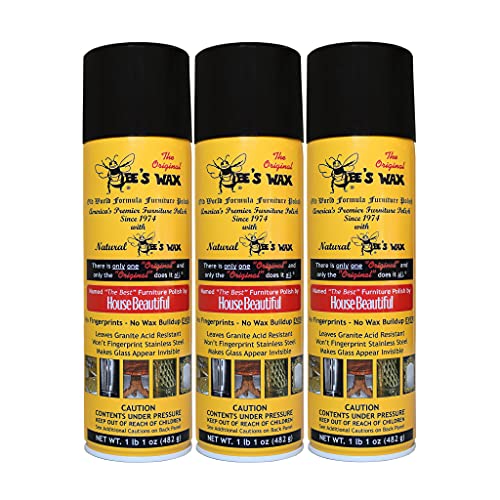


Sanding Method
Begin with a fine-grit sandpaper to eliminate surface imperfections. Gradually progress to a medium grit for a smoother finish. I find that hand sanding allows for greater control and precision. Always follow the wood’s grain and take breaks often to check your progress.
Natural Stain Alternatives
For coloring, consider using coffee or tea. Brew a strong blend, let it cool, and apply it with a cloth or brush to add depth and tone. The results are not only appealing but also safe and non-toxic. Allow it to dry completely before applying any sealant.
| Technique | Usage |
|---|---|
| Olive Oil & Vinegar Polish | Cleaning and nourishing |
| Fine-Grit Sandpaper | Smoothing surfaces |
| Coffee or Tea Stain | Natural coloring |
After completing these steps, apply a coat of natural beeswax as a protective finish. This will enhance appearance and add durability. Regular maintenance using the olive oil and vinegar mix will keep your items looking pristine for years.
Choosing the Right Tools for Furniture Refinishing
The foundation of a successful project lies in selecting appropriate tools. A good quality sanding block or orbital sander is vital. It ensures a smooth surface by removing old finishes and imperfections. Choose lighter grit paper to start and progressively move to finer grades for optimal results.
Scrapers and Brushes
Investing in a cabinet scraper is beneficial for detailed areas. This tool delicately removes excess material without damaging the underlying surface. Additionally, a natural bristle brush is recommended for applying finishes like oils or organic stains, as it holds more product and provides an even application.
Protective Gear
Don’t overlook safety equipment. A good dust mask protects against inhaling particles, while gloves safeguard your skin from irritation during handling materials. Eye protection is also essential to avoid any debris during the sanding process.
Organization improves workflow. A dedicated toolbox or a caddy helps keep everything accessible, saving time and effort. This approach allows for a smoother execution of each step.
Preparing Your Furniture Surface for Refinishing
To achieve optimal results, I focus on thorough surface preparation before starting my project. Here’s how I tackle this crucial step:
- Clean Thoroughly: I begin by removing dust, dirt, and grease using a natural soap solution and a microfiber cloth. This ensures that no contaminants interfere with the new finish.
- Inspect for Damage: Next, I carefully check for cracks, scratches, or any signs of wear. Any issues need to be addressed to guarantee a smooth finish.
- Sand the Surface: Using sandpaper, I lightly sand the entire area. I start with a coarser grit (around 80-120) and progress to a finer grit (220) for a smooth feel. This process creates a key for the finish to adhere to.
- Remove Dust: After sanding, I wipe the surface with a tack cloth or a damp rag to eliminate any dust particles. Ensuring a clean surface at this stage is paramount.
- Fill Imperfections: For any cracks or holes, I use a natural wood filler. I apply it with a putty knife, ensuring it’s level with the surrounding area once it dries.
- Final Inspection: Once everything is filled and sanded, I do a quick check. Any remaining imperfections can be smoothed out before proceeding.
Following these steps carefully leads to a surface that’s ready for treatment, enhancing the overall appearance and longevity.
Natural Methods for Stripping Old Finish
Vinegar is remarkably effective for dissolving old coatings. I mix equal parts of white vinegar and water, apply the solution to the surface, and let it sit for a few minutes. Using a soft cloth, I gently rub the area, guiding the finish to lift away. This method is perfect for delicate wood types.
Using Baking Soda
Baking soda serves not only for baking but also as a safe abrasive. I boil water and add a few tablespoons of baking soda. After submerging the piece or applying the mixture to the surface, I let it soak for about 30 minutes. The old finish often starts to bubble and peel off, allowing for easy removal.
Utilizing Olive Oil and Lemon Juice
A mixture of olive oil and lemon juice can restore shine while stripping old layers. I combine two parts olive oil with one part fresh lemon juice, apply it to the surface, and buff it with a soft cloth. This process not only cleans but can also help in gradually removing stubborn coatings.
Techniques for Sanding and Smoothing Surfaces
Begin with a coarse grit sandpaper (around 80-120 grit) to remove any existing finish or rough spots. Move in the direction of the wood grain, applying even pressure to avoid gouges.
Progressing Through Grits
After the initial sanding, switch to a medium grit (around 150-180) to refine the surface. This step helps to eliminate scratches left by the coarse grit. Finish with a fine grit sandpaper (220 or higher) for a smooth texture. Always ensure to wipe away dust between different grits using a tack cloth or damp rag.
Hand Sanding vs. Power Tools
If opting for hand sanding, use a sanding block to maintain even pressure across the surface. For larger projects, an orbital sander can speed up the process. However, always use a light touch to prevent over-sanding, particularly on edges and corners. For intricate designs, hand sanding may be more effective to reach tight spots and avoid damage.
Applying Eco-Friendly Stains and Finishes
For achieving a natural look while enhancing wood grain, I prefer using plant-based stains. These stains are derived from materials like soy, linseed oil, or tung oil, which not only color the wood but also nourish it. Apply the stain with a clean, lint-free cloth or a natural bristle brush, ensuring even coverage.
Popular Eco-Friendly Options
- Plant-Based Stains: Made from renewable resources, they are less harmful and come in a variety of colors.
- Kreidezeit Stains: These water-based products offer excellent penetration and enhance the wood’s natural beauty while being safe for indoor use.
- Beeswax Finishes: This natural finish not only protects the surface but also adds a subtle sheen. It can be mixed with oils for added durability.
Application Tips
- Test the stain on a small, inconspicuous area first to ensure the desired color.
- Apply in thin layers, allowing adequate drying time between coats for depth of color.
- Finish with a natural oil or wax for added protection; this will also enhance the luster of the wood.
For a smoother application, consider using a foam brush to spread the stain evenly. Always follow the manufacturer’s instructions regarding drying times and application methods. Avoid direct sunlight while working, as it can cause streaking or uneven drying.
With these methods, achieving a beautiful, eco-friendly finish becomes an attainable goal, allowing for both creativity and sustainability in every project.
Tips for Achieving a Professional-Looking Finish
Achieving a refined appearance relies heavily on patience and attention to detail. I start by ensuring the workspace is clean and organized. A clutter-free environment allows for better focus and minimizes the risk of imperfections.
Surface Inspection
Before proceeding, I meticulously inspect the surface for any dents or scratches. Any imperfections can compromise the final look. Using a wood filler that matches the grain can help to conceal these flaws before I begin the finishing process.
Staining Techniques
I apply stains with a high-quality brush or cloth, using long, even strokes. This technique helps to avoid streaks and uneven coloration. I always work in the direction of the wood grain to enhance the natural texture. For a deeper tone, I allow the first coat to dry completely before adding a second layer.
After staining, I let it cure properly; this step is critical to allow the color to set. Finally, I consider applying a natural oil or wax for a smooth, protective layer that enhances the beauty of the piece while providing a gentle sheen.
Cleaning and Maintaining Refinished Pieces
Regular upkeep is crucial for preserving the appearance of restored items. For routine cleaning, a solution of warm water and mild soap works effectively. Use a soft cloth or sponge to wipe down surfaces, ensuring no excess moisture is left behind, as this can damage the finish.
Dusting Techniques
Employ a microfiber cloth for dusting to avoid scratches. Dust regularly to prevent buildup that can dull the surface. Ensure that any cleaning tools are clean and free from debris before use.
Preventative Measures
Utilize coasters, placemats, and felt pads underneath items to prevent scratches and water rings. Position items away from direct sunlight to avoid fading and temperature fluctuations. Conditioning oils can be applied every few months to enhance the natural luster and protect the surface.


