Caleb Turner

To begin, it’s crucial to clean your chairs thoroughly. First, use a mixture of soap and warm water to eliminate dirt and grime. A sponge or soft brush will work well for removing stubborn spots. After cleaning, rinse with a hose to ensure all soap residue is gone.
Next, assess for any signs of wear, including rust spots or chipping paint. For rust, I recommend using sandpaper or a wire brush to remove it completely. This step is vital as it prevents further corrosion and prepares the surface for a fresh coat.
Once the surface is clear, apply a rust-inhibiting primer. An even coat will enhance the adherence of paint and provide a protective barrier. I usually opt for a spray primer, which ensures a smooth and even application.
Finally, select a high-quality outdoor paint specifically designed for metal surfaces. A spray can often provides the best finish, eliminating brush strokes and giving a professional look. After applying the final coat, let it cure completely before placing your chairs outside. This process not only enhances the aesthetic but also extends the lifespan of your patio seating.

Transforming Your Outdoor Seating and Tables
Begin with a thorough cleaning. Use a mixture of water and mild detergent with a scrub brush to remove dirt and grime. Rinse well and let it dry completely.


Inspection and Repair
Examine for rust spots. Employ sandpaper or a wire brush to remove rust thoroughly. For deeper pitting, use a rust-inhibiting primer after cleaning. Apply a metal filler for any significant damages, following the manufacturer’s instructions for drying times.
Painting Process
- Select a high-quality paint designed for exterior use. Spray paint can provide an even coat, while a brush might offer more control.
- Apply a primer specifically made for your material to ensure paint adherence.
- Once the primer dries, apply the paint in thin, even layers. This helps prevent drips and achieves a smooth finish.
- Allow each coat to dry fully before adding the next. Typically, two or three coats will achieve the best result.
Finish with a clear sealant to protect your work from UV rays and moisture. This will extend the life of your creativity and keep it looking fresh.
Assessing the Condition of Your Metal Seating and Tables
Before commencing with the transformation of your exterior seating and tables, it’s crucial to evaluate their current state. Start by inspecting for any rust, peeling paint, or structural damage. Use a wire brush to remove loose rust and determine if the corrosion has compromised the integrity of the piece.
Surface Evaluation
Examine the surface closely for scratches and dents that may affect the final finish. If the coating is uneven or flaking, you may need to sand down the areas thoroughly to provide a clean base for repainting. A smooth surface ensures better adhesion of new coatings.
Structural Integrity
Check for wobbling or loose joints, which indicate that the frame may need tightening or reinforcing. A sturdy frame is essential for safety and longevity. If necessary, replace or repair any components to restore the furniture to a sound condition before applying new finishes.
Choosing the Right Workspace for Your Project
Identify a well-ventilated area with ample space for moving around. An outdoor setting can be beneficial, but ensure it’s sheltered from rain and direct sunlight, which might affect drying times.
Surface Preparation
Opt for a sturdy table or workbench to support your restoration tasks. Ensure the surface is clean and flat to avoid scratches and dents while working.
Tools and Materials Organization
Keep all tools and supplies within reach. Use containers or trays for paints, brushes, and sanding materials to prevent misplacement and streamline the process.
Consider using a drop cloth to protect the floor from drips and debris. A designated space for your project will not only enhance efficiency but also improve safety.
Ensure proper lighting to reduce strain on your eyes, especially during detailed tasks. An adjustable lamp can be helpful, particularly if working in the evening.
Taking these steps will create a conducive environment for restoring your items without unnecessary interruptions or hazards.
Necessary Tools and Materials for Redoing Metal Furniture
To successfully transform outdoor structures, I gather the following tools and materials:
Tools
| Tool | Purpose |
|---|---|
| Screwdriver Set | Unscrewing and reassembling parts. |
| Sandpaper (Various Grits) | Removing rust and smoothing surfaces. |
| Wire Brush | Scraping off stubborn rust and old paint. |
| Paint Sprayer or Brush | Applying paint evenly. |
| Drop Cloth | Protecting the area from paint spills. |
| Safety Goggles | Protecting eyes while sanding or spraying. |
| Face Mask | Reducing inhalation of dust and fumes. |
| Measuring Tape | Ensuring accurate measurements. |
Materials
| Material | Purpose |
|---|---|
| Rust Inhibitor | Preventing future rust formation. |
| Primer | Preparing the surface for better paint adhesion. |
| Exterior Paint | Providing a weather-resistant finish. |
| Sealant | Enhancing durability and protection. |
| Varnish or Clear Coat | Giving a glossy finish and additional protection. |
Collecting these items ensures I can tackle the project thoroughly and efficiently.
Removing Old Paint and Rust from Metal Surfaces
Begin with the right approach to get rid of old paint and corrosion on your furniture. A reliable solution is to apply a paint stripper. Choose a non-toxic option when possible, following the manufacturer’s guidelines for application. Allow the product to sit according to instructions before scraping off the old coating with a putty knife.
Alternative Methods
- Sanding: Use medium-grit sandpaper to remove paint and rust. Switch to finer grit for a smoother finish.
- Wire Brush: A wire brush can effectively strip away loose rust. It’s particularly useful for smaller areas and intricate designs.
- Blasting: If you have access to a sandblaster, it serves as a powerful option for extensive rust removal but requires safety precautions.
After removing the bulk of the paint and rust, clean the surface thoroughly to eliminate dust and debris. Employ a degreaser or a solution of soap and water, rinsing well to ensure no residues remain.
Safety Precautions
- Always wear gloves, goggles, and a mask to protect yourself from chemicals and dust.
- Ensure proper ventilation in your workspace to avoid inhaling harmful fumes.
Once the old layers are removed, inspect the surfaces for any remaining imperfections. Fill in any pitted areas with a suitable filler before proceeding to the next steps of your project.
Applying Primer for Metal Furniture Restoration
Before applying a primer, ensure the surface is clean and free from any debris. I recommend using a degreaser or a mixture of soap and water to remove any residues. Once clean, allow it to dry completely.
Choosing the Right Primer
Select a primer specifically formulated for ferrous surfaces. Look for products that offer rust inhibition and adhesion properties. A zinc-based primer is a strong option, known for its durability and effectiveness.
Application Techniques
Using a spray gun or a high-quality brush, apply an even coat of primer. I found that thin layers are more effective than thick ones, as they dry quickly and provide better adhesion. Allow the primer to dry as per the manufacturer’s instructions, usually around 1-2 hours, before applying a second coat if necessary.
Pay attention to hard-to-reach areas, ensuring complete coverage. After the second coat dries, lightly sand the surface with fine-grit sandpaper to create a smooth base for the final paint. This step enhances the bond between the primer and the topcoat, resulting in a smoother finish.
Finally, inspect the surface for any imperfections. Touch up as needed before moving onto the painting phase. Proper primer application sets a solid foundation for the durability and appearance of the restored items.
Selecting and Applying the Right Paint for Metal
Choosing paint specifically designed for metal surfaces is crucial. I always opt for acrylic-based or oil-based formulas, as they provide durability and adhesion. Make sure the paint is labeled as suitable for outdoor use to withstand weather conditions.
Before application, I ensure the chosen hue complements my existing landscape and fixtures. Darker shades can absorb heat, while lighter colors reflect sunlight, preventing overheating.
When I prepare to paint, I shake the can thoroughly to mix the pigments, then pour it into a paint tray. Using a high-quality brush or roller allows for an even distribution. For intricate designs, a fine brush helps access corners and crevices.
I prefer applying multiple thin coats instead of one thick layer. This method minimizes drips and ensures an even finish. I wait for at least an hour between coats to allow proper drying. It’s essential to check the manufacturer’s instructions for drying times.
After finishing, I always let the final coat cure fully before placing my pieces back outside, ideally for 24 to 48 hours, ensuring long-lasting protection.
Finishing Touches: Sealing and Protecting the Furniture
For long-lasting results, applying a high-quality sealant is crucial. Choose an exterior polyurethane or a specially designed protective spray for outdoor items. These products provide a robust barrier against moisture and UV rays, ensuring the finish remains intact over time.
Before sealing, make sure the paint is thoroughly cured. Depending on the product, this can take 24 to 72 hours. Once cured, clean the surface to eliminate any dust or debris, which can interfere with adhesion.
Use a foam brush or a spray applicator for an even application. For brush-on sealants, apply a thin layer and avoid heavy strokes to prevent bubbles. If sprucing up with a spray, maintain a distance of about 12 inches from the surface for an even coat. Follow the manufacturer’s recommendations regarding drying time and number of coats. Typically, two to three layers yield the best protection.
Additionally, consider using a fabric protector on any cushions or upholstery. This creates an impermeable layer, making it easier to clean spills and resist fading. Before applying any protectant, confirm that fabrics are clean and dry.
Lastly, regularly inspect your pieces throughout the season. Early detection of any wear or damage allows timely intervention, extending the life of your rejuvenated items.
Maintenance Tips to Extend the Life of Your Furniture
Regular cleaning is crucial. I recommend using a mild soap solution and a soft cloth or sponge to remove dirt and grime. Rinse with clean water and dry with a soft towel to prevent water spots and rust.
Inspecting for Damage
Frequent checks for scratches, chips, or rust spots help catch issues early. For any signs of deterioration, I often sand the affected areas lightly before applying touch-up paint or a rust inhibitor.
Seasonal Care
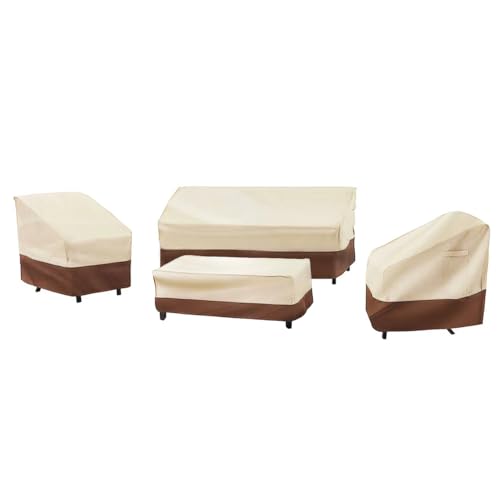
During harsh weather conditions, I cover my items with protective tarps or store them indoors if possible. This simple step significantly reduces exposure to elements, extending longevity.
Using furniture wax or sealants periodically provides an extra layer of protection, helping to repel moisture and UV rays. Applying these products seasonally is beneficial for maintaining the integrity of the surfaces.