Caleb Turner
Choose a clean, flat surface to apply your adhesive embellishments; this ensures a smooth application and minimizes air bubbles. Thoroughly clean the area to remove dust and grease, allowing the adhesive to bond securely. A mild detergent solution works wonders, followed by a thorough drying with a soft cloth.
Once prepped, measure the space to determine the ideal layout for the design elements. Lay the stickers out without removing the backing to visualize how they will fit together. Adjust their placement until you achieve the desired look, ensuring elements are spaced evenly and aligned properly.


For application, peel back a corner of the backing and start from one edge, smoothing the sticker slowly as you press it onto the surface. Use a credit card or a similar tool to eliminate air pockets, working from the center outward. This technique guarantees a flawless finish without unpleasant wrinkles.
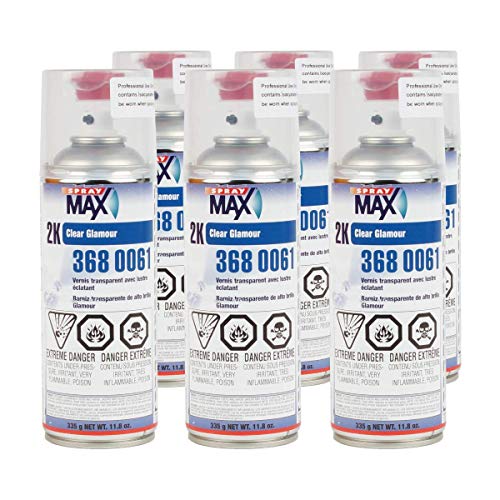
To achieve longevity, seal the surface afterward with a clear coat. This protective layer helps safeguard against scratches and moisture, ensuring the designs remain vibrant over time. Enjoy your newly adorned pieces and embrace the fresh ambiance they bring!
Application Techniques for Stickers on Surfaces
Begin with thorough cleaning of the area to remove dust and grease. A mixture of warm water and mild detergent works well; ensure the surface is completely dry before proceeding.
Cut the sticker to size if necessary, allowing an additional margin for alignment. This avoids misplacement when attaching it to the chosen area.
Peel off a portion of the backing paper and gently place the sticker onto the surface. Use a straight edge, such as a credit card, to press the sticker down from the center outward, removing air bubbles and wrinkles.
- Apply pressure evenly to ensure good adhesion.
- Work slowly to maintain accuracy in placement.
- If bubbles remain, puncture them with a small pin and smooth out the area again.
Once applied, avoid touching the edges for a few hours to allow strong adherence. After setting, consider sealing the sticker with a clear spray coat for added durability, especially on high-use items.
Choosing the Right Decal for Your Furniture
Select a design that resonates with your personal style while enhancing the existing aesthetics of your piece. For a minimalist look, opt for simple shapes or subtle patterns. If aiming for a bold statement, vibrant colors and intricate designs will draw attention.
Consider Material Compatibility
Ensure the artwork material is suited for the surface of the item in question. Vinyl is versatile and adheres well to most surfaces, while fabric options may need special adhesives. Laminated choices offer durability, especially for high-traffic areas.
Size and Placement
Measure the area available for application. Oversized designs can overwhelm smaller items, while tiny accents might get lost on larger surfaces. Visualize the final result by using painter’s tape to outline the intended design before adhesion.
Preparing the Surface for Decal Application
I clean the surface thoroughly to remove dust, dirt, and grease before applying any graphics. A mild detergent mixed with water works effectively. After washing, I dry it completely with a soft cloth to avoid moisture trapped underneath.
Sanding the Surface
A light sanding using 220-grit sandpaper smoothens imperfections and enhances adhesion. I make sure to sand gently, focusing on areas that might be rough or uneven. After sanding, I wipe the surface again with a damp cloth to remove any dust particles.
Priming (if necessary)
If the material is porous or previously painted, applying a primer can help. I choose a primer suitable for my particular surface type–wood, laminate, or metal. Once applied, I let it dry completely according to the manufacturer’s instructions.
Tools and Materials Needed for Decal Installation
Gather these items for a straightforward application process:
Adhesive Products
Choose high-quality adhesive vinyl or pre-printed transfers. Ensure they are suitable for the type of surface you plan to enhance. Consider repositionable options for a more forgiving installation.
Application Tools
Invest in a squeegee or a credit card for smooth positioning. A utility knife will come in handy for trimming edges, while a pair of scissors can help with larger decals. A soft cloth is useful for wiping surfaces free of dust and fingerprints.
Preparation Supplies
Use a mild cleaner and lint-free cloth to prepare surfaces. If necessary, sandpaper helps to create a smooth base when refinishing is required beforehand.
Add-Ons
Masking tape will assist with alignment, while a measuring tape ensures accurate placement. For intricate designs, a weeding tool can make it easier to remove excess adhesive.
With these tools and materials at your disposal, you’ll set the stage for a successful enhancement project. Proper preparation and the right equipment are key to a polished finish.
Step-by-Step Guide to Applying Decals
First, gather all necessary items. This includes your chosen artwork, a soft cloth, a ruler, a utility knife, and a squeegee.
1. Measure and Mark: Use the ruler to determine where the design will go. Lightly mark with a pencil to ensure precise positioning.
2. Clean the Surface: Wipe down the area thoroughly with the soft cloth. Any dust or grease can impact adhesion. Allow it to dry completely.
3. Peel the Backing: Carefully peel off the paper backing from the design. Start at one corner and slowly lift to avoid tearing.
4. Position the Design: Align the decal with the marks made earlier. Ensure it’s straight before making contact with the surface.
5. Smooth It Out: Starting from the center, use the squeegee to press the decal onto the surface, working towards the edges. This helps eliminate air bubbles.
6. Lift and Check: Gently lift one edge to see if there are any bubbles. If present, push them toward the edges with the squeegee.
7. Trim Excess: If the design extends beyond the edges, use a utility knife to carefully trim away any excess material for a clean finish.
8. Final Touches: Once satisfied, press down firmly on the edges with the squeegee to ensure adhesion. Allow the artwork to set for several hours without disturbance.
9. Cure Time: Let the new addition sit for at least 24 hours before cleaning or applying any pressure to ensure maximum bond strength.
Tips for Aligning Decals Perfectly
Begin by measuring the space where you plan to apply the adhesive decoration. I often use a measuring tape to determine the center point, ensuring that my design will be evenly placed. Mark this spot lightly with a pencil for guidance.
Utilize a Level
A level is invaluable for achieving straight lines. I run it across the area to verify that the surface is flat and that my design aligns correctly. This step prevents any slanting, which can disrupt the overall appearance.
Use Clear Transfer Tape
If using transparent transfer material, it helps maintain the alignment while repositioning. I apply it over the design, allowing for minor adjustments before the final press. This method allows me to see through while ensuring everything lines up perfectly.
Once everything is in position, I take a moment to double-check the placement from different angles. This helps catch any misalignment before permanently securing it. Taking my time during this phase results in a polished finish.
Handling Air Bubbles During Application
Begin by applying pressure gently from the center toward the edges. This technique helps push trapped air out, reducing the chance of bubbles forming.
Steps to Mitigate Air Bubbles
- Use a plastic squeegee or credit card to evenly distribute pressure.
- Work in small sections to maintain control over the application process.
- Lift the corner of the graphic if a bubble forms, and smooth the area outwards.
- For persistent bubbles, gently puncture them with a pin and press out the air lightly.
- Apply heat with a hairdryer on a low setting to soften the material, making it easier to manipulate.
Prevention Tips
- Ensure the surface is clean and dry to minimize issues during application.
- Consider the environment; avoid applying in humid or extremely cold conditions.
- Allow the decal to acclimate to room temperature before application.
Lastly, patience is key. Working methodically and calmly can significantly reduce the likelihood of air bubbles, ensuring a smoother finish.
Sealing and Protecting Your Decals After Application
A crucial step after affixing designs is applying a protective sealant. I recommend using a clear acrylic spray sealer or a polyurethane finish to safeguard the graphics from wear and moisture. Ensure the adhesive is fully cured before proceeding with sealing to avoid trapping moisture underneath.
When using a spray sealer, maintain a distance of about 12 inches and apply in thin, even coats. Allow each coat to dry completely before applying the next, usually taking around 30 minutes to an hour. For maximum durability, aim for two to three coats.
If opting for a brush-on polyurethane, choose a foam brush to prevent bristles from transferring to the surface. Lightly coat the area to avoid disturbing the design. Allow it to dry according to the product’s instructions, and be prepared for some products to require overnight drying time.
After sealing, avoid placing heavy items on the decorated area for at least 24 hours to ensure the finish cures completely. Regular maintenance includes light cleaning with a damp cloth and ensuring abrasive materials are avoided to prolong the life of your applied graphics.
If your design is on a frequently used piece, consider applying a topcoat every year to maintain its appearance and protection. This proactive approach guards against fading and damage from daily usage.
Removing Decals Without Damaging Furniture
To safely remove an adhesive decoration, heat it carefully with a hairdryer. This softens the glue, making it easier to peel off. Hold the dryer a few inches away and keep it on a low setting to avoid damaging the surface.
Once the adhesive is warm, gently lift one edge with a plastic scraper or your fingernail. Avoid metal tools to prevent scratches. Pull the sticker back slowly at a 45-degree angle to minimize tension and reduce the chance of tearing.
If residue remains, apply a small amount of rubbing alcohol or adhesive remover to a cloth and gently rub the area. Test these substances on a hidden spot first to ensure they won’t harm the finish. Once the surface is clean, wipe with a damp cloth and dry it thoroughly.
| Step | Action |
|---|---|
| 1 | Heat the adhesive lightly with a hairdryer. |
| 2 | Gently lift an edge with a plastic scraper. |
| 3 | Pull back slowly at a 45-degree angle. |
| 4 | Apply rubbing alcohol to remove residue. |
| 5 | Wipe with a damp cloth and dry. |
For stubborn pieces, consider using steam from a kettle to further loosen the adhesive. Apply steam to the edge for a few seconds and follow with the lifting technique. Always monitor closely to prevent harm to the structure beneath.
Using these methods allows for the removal of items without compromising the integrity of your pieces, keeping them looking their best.
Creative Ideas for Using Decals on Different Furniture Types
Transform your wooden pieces with intricate patterns or playful motifs. For instance, applying floral designs to a side table can create a charming focal point in your room.
For metal surfaces, opt for durable graphics that can withstand wear. Geometric shapes on a metal cabinet not only add style but also enhance the modern aesthetic.
Utilize removable stickers on dressers to change the appearance with the seasons. Holiday-themed elements can bring a festive spirit, while minimalist graphics can offer a chic look during other times of the year.
If you have a child’s room, personalize toys or storage units with fun characters or names. This adds a unique touch while promoting a sense of ownership and creativity in their space.
Accent upholstered items like chairs or sofas using fabric-friendly options. This allows for dynamic updates without the commitment of traditional fabric changes.
For outdoor pieces, choose weather-resistant varieties that can withstand the elements. Seasonal designs on a patio bench can make your outdoor area more inviting.
| Furniture Type | Creative Decal Ideas |
|---|---|
| Wooden Surfaces | Floral patterns for a rustic charm |
| Metal Items | Geometric shapes for a modern vibe |
| Dressers | Seasonal themes for holiday spirit |
| Toys/Storage | Personalized characters or names |
| Upholstered Pieces | Fabric-friendly designs for flair |
| Outdoor Furniture | Weather-resistant graphics |
Incorporate textures to give depth. Layering different styles on the same piece can lead to an eclectic yet harmonious design. Experimentation will unveil unique combinations that truly reflect personal taste.