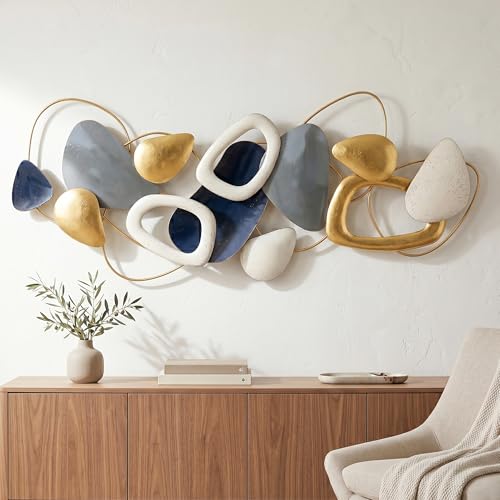
Caleb Turner

Incorporating a bed with built-in storage is a practical starting point for optimizing your snug space. This approach eliminates the need for additional bulky dressers, allowing for seamless organization of clothes and personal items.
Next, consider wall-mounted shelves. They provide necessary surface area without taking up floor real estate. Floating models can be visually appealing, helping create an illusion of spaciousness. I recommend placing these near the bed for easy access to books and nighttime essentials.


Select multi-functional pieces like a fold-down desk or an ottoman with hidden compartments. These items enhance usability while helping maintain a clean aesthetic. A compact desk, when folded away, leaves ample room for movement throughout the area.
Experiment with layouts to find the optimal arrangement. Positioning the bed diagonally or against a corner can create the perception of more space. Assess your daily routines to ensure the chosen configuration promotes both comfort and functionality.
Utilizing light colors for walls and textiles can further enhance the feel of openness. Choose shades that reflect natural light, and incorporate mirrors to amplify brightness while making the space appear larger. Keeping decor minimal can aid in avoiding visual clutter.
Arranging Items in a Compact Space
Prioritize multi-functional pieces. A bed with storage drawers underneath maximizes area and keeps belongings organized while minimizing clutter.
Think Vertically
Utilize wall space for shelves. This not only frees up floor area but also can hold books, decor, or personal items that reflect your style. A tall bookcase can draw the eye upward, making the room appear more expansive.
Consider Scale
Choose scaled-down items that suit the proportions of your environment. Oversized creations can overwhelm the space, while streamlined designs encourage a more open feel. Opt for lighter colors to enhance brightness, contributing to a sense of airiness.
Choosing the Right Furniture Size
Opt for compact dimensions and multipurpose designs. A bed with built-in storage or a slim desk that doubles as a nightstand can significantly enhance usability without feeling cramped.
Key Measurements
- Bed width should be no more than 60 inches to leave walking space.
- Narrow bedside tables around 12 to 18 inches wide optimize floor area.
- Dresser height should not exceed 36 inches for easy access without overwhelming the space.
Proportional Balance
Maintain balance with lighter colors to create an illusion of spaciousness. Furnishings with legs allow visibility of the floor, giving a sense of openness. Avoid bulky alternatives that dominate the area.
Choose items with rounded edges to facilitate movement around the room. Opt for wall-mounted shelves instead of large bookcases to save floor space.
Optimal Bed Placement Strategies
For maximizing space, positioning the sleeping area against the longest wall is paramount. This not only creates a focal point but also enhances room flow. When determining placement, ensure at least 24-30 inches of clearance around at least one side for easy access.
Utilizing Corners
Placing the bed in a corner can be an innovative solution, especially in narrower spaces. This arrangement allows for additional furniture, like a shelf or a nightstand on the accessible side, providing functionality without compromising circulation.
Low-Profile Options
Opt for a low-profile frame or a mattress on a platform. This style visually extends the height of the space rather than overwhelming it. Consider a wall-mounted headboard to save floor space, maintaining an airy feel.
| Placement Strategy | Advantages | Disadvantages |
|---|---|---|
| Against the Longest Wall | Creates balance, easy access | May restrict furniture layout |
| In a Corner | Maximizes space, adds functionality | Limited access on one side |
| Low-Profile Frame | Enhances visual space, modern aesthetic | May lack storage options |
Consider aiming for symmetry, with nightstands on either side if space permits, to create an inviting atmosphere. Pay attention to window placements; positioning the bed away from direct light reduces glare while still enjoying natural illumination.
Utilizing Vertical Space for Storage
Install wall-mounted shelves to display books, plants, or decorative items, freeing up floor area. This also draws the eye upwards, creating the illusion of a larger room.
Consider tall cabinets or bookcases that reach the ceiling instead of wide, low pieces. This not only maximizes storage but also keeps essential items organized and out of sight.
Incorporate hooks or pegboards on walls for hanging accessories, bags, or even jewelry. This can reduce clutter on surfaces and adds a personal touch to the design.
Utilize the space above doors and windows with additional shelving. These areas often go unused and can provide extra storage for less frequently accessed items.
Under-bed storage containers are a practical solution. Opt for vertical lift mechanisms or drawers that make accessing items easy, enhancing the overall organization.
Include multi-functional furniture with built-in storage, such as ottomans or benches with hidden compartments. This maximizes utility without sacrificing style.
Install a vertical wardrobe organizer to optimize closet space. Using vertical dividers can help categorize clothing and maximize every inch of the closet.
To achieve a balanced look, choose light colors for shelves and furniture. This helps prevent the space from feeling closed in, ensuring the vertical elements add dimension.
Arranging Furniture to Maximize Flow
Prioritize pathways within the space to enhance movement. Ensure at least 24 inches of clear walking space between key pieces to prevent congestion. This allows for smooth navigation and easy access to essential areas.
Key Considerations for Pathways
- Aim for a natural progression from the entrance to the primary usage areas.
- Establish focal points that can draw the eye and guide movement, such as a striking headboard or a statement piece of art.
- Position larger items like the bed or wardrobe along the longest walls, which will help maintain flow and minimize obstacles.
Angle and Orientation
Experiment with angling larger pieces slightly to create a more dynamic layout. This can create visual interest and enhance the flow by avoiding rigid, boxy formations.
- Consider staggered placements to create a sense of depth and guide the eye and movement.
- Reflect on the primary function of the space while arranging–an open layout encourages relaxation, while structured arrangements can foster productivity and focus.
Incorporating Multi-Functional Pieces
Choose items that serve multiple purposes to save space and enhance utility. A bed with integrated storage beneath allows for a clutter-free environment. Consider a folding desk that can be tucked away when not in use, freeing up floor space.
Convertibles and Adaptable Designs
Invest in convertible couches or chairs that transform into sleeping surfaces. Look for nesting tables that can be separated or combined depending on your needs, accommodating guests or daily activities effectively.
Smart Accessories
Opt for ottomans that can double as seating and storage. Wall-mounted shelves not only hold decor but can also support a workspace. With thoughtful selection, I maximize every inch, ensuring my surroundings remain functional yet stylish.
Creating Zones for Different Activities
Define specific areas to optimize each function in the space. I recommend using rugs to visually separate zones, such as sleeping, working, and relaxing. This not only enhances visual appeal but also creates a psychological distinction between activities.
For a workspace, consider a compact desk positioned against a wall or in a corner, ensuring it occupies minimal floor space yet remains functional. A foldable chair can be stowed away when not in use, maintaining a clutter-free environment.
The reading nook can be established with a small armchair or a bean bag positioned near a light source. Adding a slim side table provides a spot for books or a drink, making this area inviting and practical without sacrificing space.
Use multi-tier shelving to delineate areas while providing storage. A bookshelf can serve as a room divider, offering both organization and a barrier between the sleeping and working zones. Keep frequently used items within easy reach, while less essential belongings can be tucked away in closed sections.
Incorporate adjustable lighting to complement different areas. A desk lamp can illuminate the work area, while softer lighting can enhance relaxation spots, adapting the mood to the activity.
Lastly, think vertically; wall-mounted organizers for accessories or personal items keep surfaces clear and maintain a tidy appearance. This layout encourages productivity and promotes relaxation, maximizing the use of limited space effectively.
Using Mirrors to Enhance Light and Space
Incorporating mirrors can dramatically amplify brightness and create an illusion of expansiveness. Position a substantial mirror directly across from a window to reflect natural light, enhancing the atmosphere. Choose mirrors with decorative frames that complement your overall design to make them a statement piece.
Strategic Placement
Placing smaller mirrors on side tables or above dressers contributes to a layered aesthetic while boosting luminosity. A trick I use involves hanging a mirror near the entry point; this not only reflects light from adjacent areas but also creates a welcoming first impression.
Types of Mirrors
Select mirrors that suit your style, considering options like floor-length, wall-mounted, or even mirrored furniture. This variation adds depth while maintaining functionality. Opt for lighter shades or metallic finishes that catch light and elevate the overall ambiance.
Utilizing reflective surfaces is a quick win for altering perceptions of scale and brightness, making the space feel larger and more inviting.
Personalizing Without Clutter
Opt for a few statement pieces that reflect your personality. A striking artwork or a unique lamp can serve as a focal point without overwhelming the space. Choose items that hold personal significance; they often resonate more than generic décor.
Curate Meaningful Accessories
Instead of crowding surfaces with numerous trinkets, select a few that tell a story. This could be a travel souvenir or a handmade gift from a friend. Position them deliberately on shelves or nightstands to draw attention while maintaining an airy feel.
Color Coordination
Utilize a cohesive color palette to create a sense of harmony. Stick to two or three main colors that complement each other. This method minimizes visual noise and allows individual items to shine within the overarching theme.
Incorporate textiles thoughtfully. A well-chosen throw or a set of decorative pillows can add warmth and character without taking up unnecessary space. Opt for lighter fabrics that don’t overwhelm, allowing for both comfort and style.
Lighting plays a key role in personalization. Choose lamps and fixtures that enhance the mood. Instead of heavy designs, light fixtures with delicate frames or interesting shapes can create character and maintain an open atmosphere.
Implementing these strategies ensures a personal touch while avoiding clutter, resulting in a serene and inviting atmosphere.