
 Caleb Turner
If you’re welcoming a furry friend into your home, take the proactive step of applying a strong finish to your wooden pieces. A high-quality sealant can act as a barrier against scratches, moisture, and accidental spills, prolonging the lifespan of these beloved items. Consider using a polyurethane or varnish that is specifically designed for heavy use, as it offers superior protection. Make sure to follow the manufacturer’s instructions for application and drying times for optimal results.
Another effective measure is to provide designated chew toys that are more enticing than your cherished belongings. By redirecting your dog’s energy towards appropriate items, you can minimize the risk of damage to your treasured possessions. Opt for durable materials such as rubber or nylon, which are less likely to be shredded.
Regularly rotating the toys can maintain your pet’s interest and keep them engaged, making it less likely for them to seek out your wooden treasures. Establishing boundaries using physical barriers or dog gates can also help in keeping your pup away from areas where your favorite pieces are located.
Incorporating training techniques from the beginning will encourage positive behavior around your wooden items. Reward your young one when they explore their toys instead of your belongings. Consistency in these actions will help foster better habits as they grow, ensuring your home remains undamaged over the years.
Strategies for Safeguarding Your Wooden Pieces
Using a bitter-tasting spray can deter chewing behavior effectively. Apply it on surfaces to create an unappealing taste, guiding your pet away from nibbling. Make sure to reapply after cleaning or if the smell dissipates.


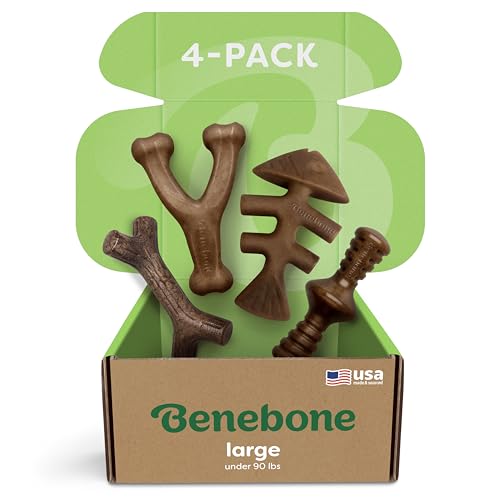
Designate specific toys that are safe to chew on, which can channel your furry friend’s energy positively. Opt for durable options made from rubber or fabric to satisfy their urge to gnaw.
Consider a barrier method by utilizing gates or crates during training. This limits the access of your canine to your prized antiques and gives them a space of their own.
Regularly brushing and engaging your playful companion provides mental stimulation and physical exercise, reducing the likelihood of them seeking out your beloved household items for entertainment.
Incorporating fabric protectors designed for your aesthetic pieces can help inhibit damage. Test the product on a small area first to ensure compatibility with the finish.
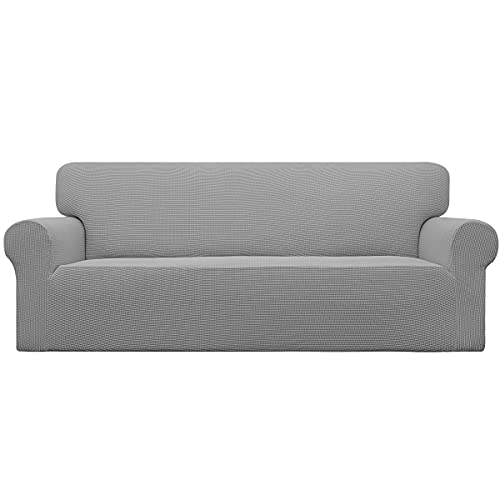
Use slipcovers for items at risk to offer an additional layer of protection. They are easy to wash and can prevent scratches while seamlessly matching your decor.
Reinforce training commands like “leave it” to promote good behavior around your valuable pieces. Consistency is key, and rewarding good behavior can enhance the learning process.
Ensure to provide enough supervision during their playtimes. Attending to them can prevent unwanted interactions with your decorative items, creating a more harmonious environment.
Choosing Durable Wood Finishes
Opt for polyurethane or epoxy coatings for maximum resistance. These finishes offer superior durability and protect against scratches and moisture. Look for water-based options for quicker drying times and low odor.
Consider the application when selecting your finish:
- Polyurethane: Available in oil-based or water-based varieties; oil-based is more robust but takes longer to cure.
- Varnish: Adds a protective layer, good for high-traffic surfaces.
- Shellac: Provides a natural look; less resistant but easy to repair.
For enhanced longevity, apply multiple coats, allowing adequate curing time between applications. Sand lightly between coats for better adhesion and a smoother finish.
For additional protection, consider using a penetrating oil finish. Products like tung oil or Danish oil nourish the wood while providing a level of resistance to damage.
Regular maintenance is key; clean surfaces with a damp cloth and avoid harsh chemicals that can compromise the finish. Reapply as necessary, especially for high-use areas.
Utilizing Furniture Covers and Slipcovers
Investing in protective coverings is a straightforward solution to maintaining the integrity of your cherished items. I recommend selecting durable fabrics that can withstand playtime and accidental spills. Look for options made from materials like canvas or microfiber, which are known for their resistance to wear and tear.
Choosing the Right Cover
Measure your pieces accurately to ensure the right fit. Adjustable slipcovers can provide versatility, adapting to various shapes and sizes. There are elasticized versions that hug the contours of your items closely, minimizing movement and providing a streamlined appearance.
Maintenance Tips
Regular cleaning should be part of your routine. Most slipcovers are machine washable, making it easy to keep them looking fresh. Additionally, consider using removable cushion covers to simplify the cleaning process even more. Be vigilant about checking for wear and replace any coverings that show significant signs of damage to ensure continued protection.
Training Your Puppy to Avoid Furniture
Utilize positive reinforcement techniques such as treats and praise to encourage your canine companion to stay away from surfaces you want to preserve. Whenever your puppy approaches a piece of furniture, redirect their attention with a toy or a command to sit. Reward them when they follow your instruction, reinforcing the desired behavior.
Establish Boundaries
To create clear guidelines, designate specific areas where your puppy is allowed. Use baby gates to confine them to certain rooms, making it easier to manage their movement. Consistency is key; ensure everyone in your household enforces these restrictions to avoid confusion.
Teach Commands
Incorporate commands such as “leave it” or “off” to discourage unwanted behavior. Practice these commands regularly in different settings to reinforce their meaning. Use a firm but calm tone, and always provide rewards for compliance to help solidify their understanding.
Implementing Dog-Safe Deterrents
Utilizing bitter sprays can greatly discourage unwanted chewing. These products, usually made with taste deterrents, are designed specifically to safeguard surfaces. I found that applying them regularly helps create a barrier, encouraging my young canine to seek out more appropriate chew toys instead.
Another strategy involves the use of motion-activated devices. Devices like ultrasonic bark deterrents emit sounds that are unpleasant for dogs but inaudible to humans. Placing these near vulnerable areas has proven useful in keeping my energetic friend at bay.
Strategic Placement of Repellents
Make use of strategic placement when applying deterrents. Consider positioning items like citrus peels, which are naturally aversive to many dogs, around areas prone to damage. The strong scent acts as a warning, steering my pup away from targeted zones.
Consistent Routine
Incorporating deterrents into a consistent daily routine reinforces boundaries. I engage my dog in regular playtime and training sessions, rewarding appropriate behavior. By establishing a balance of structure and deterrence, I noticed a significant drop in destructive tendencies over time.
Providing Alternative Chewing Options
I recommend providing a variety of safe chew toys that cater to your canine’s natural instincts. Chew toys made from durable materials such as rubber or nylon can withstand vigorous gnawing, reducing the likelihood of your pup targeting other items.
Introduce different types of toys with various textures to keep your pet engaged, such as textured rubber bones, rope toys, or plush stuffed animals. Rotating these options can prevent boredom and maintain interest.
Incorporating edible chew toys, like dental chews or rawhide alternatives, can serve a dual purpose by promoting dental health while satisfying chewing needs.
| Type of Chew Toy | Benefits |
|---|---|
| Rubber Toys | Durable, bouncy, and suitable for aggressive chewers. |
| Nylon Chews | Long-lasting and helps with dental hygiene. |
| Rope Toys | Good for tugging games and flossing teeth while chewing. |
| Edible Chews | Tasty and effective in maintaining oral health. |
Consider engaging in interactive playtime with your pet, using these chew items. This not only strengthens your bond but also encourages appropriate chewing behaviors.
Regular Maintenance and Cleaning Techniques
To maintain the look and integrity of your wooden items, establish a routine that includes regular dusting and cleaning. Use a soft, lint-free cloth or microfiber cloth to remove dust and prevent buildup, which can cause scratches over time. Keep a gentle cleaning solution specifically formulated for delicate surfaces nearby to avoid damaging the finish.
Monthly Moisturizing
Applying preservatives or conditioners once a month is beneficial. These products can replenish moisture, keeping surfaces looking fresh and preventing cracks due to dryness. Ensure the chosen product is compatible with your finish, and follow the instructions carefully for optimal results.
Immediate Attention to Spills
Address any spills right away. Blot, don’t wipe, liquid messes with a clean cloth to prevent spreading. For sticky substances, a damp cloth with mild soap can usually resolve the issue. Avoid excessive moisture; instead, dry the area thoroughly to prevent water damage.
Positioning Furniture Strategically
Place items out of your dog’s direct reach to minimize damage. Consider using the following approaches:
- Corner Placement: Position large pieces in corners, creating a barrier to keep your pup away.
- Elevate Items: Utilize stands or shelves to raise smaller objects and make them less accessible.
- Defined Zones: Designate specific areas for both your dog and your belongings. Use gates or rugs to demarcate these spaces.
- Visual Cues: Choose furniture colors and textures that contrast with your dog’s toys to discourage interactions.
- Minimize Clutter: Keep surfaces clear to avoid tempting chewers. Regularly assess your layout for potential hazards.
- Foot Traffic Considerations: Arrange seating away from high-traffic paths to reduce wear and accidental bumps.
- Attractive Alternatives: Position enticing toys or dog beds nearby to draw attention away from precious items.
Implementing these strategies can significantly decrease the likelihood of your belongings becoming chew targets while fostering a safe environment for your companion.
Establishing Safe Zones for Your Puppy
Creating designated areas is essential. Select rooms or spaces where your young canine can roam freely without access to valuable items. Use baby gates or crate systems to confine them to specific locations, making it clear where they are allowed to play.
In these areas, include comfortable bedding and engaging toys to keep their attention. Rotate toys regularly to prevent boredom. A well-thought-out layout can minimize the risk of destructive behavior, so think about positioning furniture to create natural barriers.
Utilizing positive reinforcement is also effective. When your furry friend stays within the boundaries, reward them with treats and praise. This establishes a connection between staying in their safe zones and receiving affection, reinforcing desired behavior.
Monitor and adjust as necessary. As your puppy grows and learns, you may need to modify these zones. Staying attentive to their behavior allows you to adapt the space to their needs, ensuring both safety and satisfaction for your pet while preserving your belongings.
FAQ:
What are some effective methods to protect my wooden furniture from a puppy?
To safeguard your wooden furniture from a puppy, consider these strategies: First, use protective covers or throws to shield surfaces from scratches and stains. Secondly, apply furniture polish or wax regularly to create a barrier against moisture and dirt. Training your puppy to understand boundaries is also crucial; utilize commands and redirection to discourage them from chewing or jumping on furniture. Additionally, providing your puppy with appropriate chew toys can help satisfy their need to gnaw while keeping your furniture safe.
How can I discourage my puppy from chewing on wooden furniture?
Discouraging a puppy from chewing on wood furniture involves several techniques. One effective method is to use bitter-tasting sprays specifically designed to deter pets from chewing. Consistently redirect your puppy’s attention to their designated chew toys whenever you catch them in the act. Positive reinforcement, such as praise or treats when they focus on their toys instead, reinforces good behavior. Ensuring your puppy has plenty of exercise and mental stimulation can also reduce destructive chewing, as a tired puppy is less likely to engage in unwanted behavior.
Why is training my puppy important for protecting my furniture?
Training your puppy is a significant aspect of preventing damaging behavior towards your furniture. When a puppy understands basic commands and boundaries, they are less likely to engage in chewing or scratching furniture. Training creates a structured environment where your puppy learns what is acceptable and what isn’t. It also fosters a stronger bond between you and your pet, making it easier to communicate and guide their behavior. Additionally, a well-trained puppy can adapt better to different environments, which helps to further protect your furniture over time.
Are there specific types of wooden furniture that are more susceptible to damage from pets?
Certain types of wooden furniture may be more prone to damage from pets due to their finish, texture, or design. For instance, softwoods such as pine or cedar can be more easily scratched or dented compared to hardwoods like oak or maple. Additionally, furniture with intricate carvings or open grains may present more opportunities for your puppy’s claws or teeth to cause harm. It’s also important to consider the finish used on the furniture; more matte finishes may show scratches more readily than glossy finishes. Protecting these specific types of furniture may require more diligent care and preventative measures.


