
 Caleb Turner
Utilizing a high-quality protective coating is my first tip for keeping the elegant surfaces of your wooden pieces safe. A durable sealant or varnish not only enhances the visual appeal but also creates a robust barrier against the wear and tear that comes from daily interactions.
Regularly applying a wax or polish specifically designed for these materials can also be beneficial. It provides an added layer of defense while keeping the sheen intact. I often prefer options that incorporate natural ingredients, as they can nurture the finish without introducing unwanted chemicals.
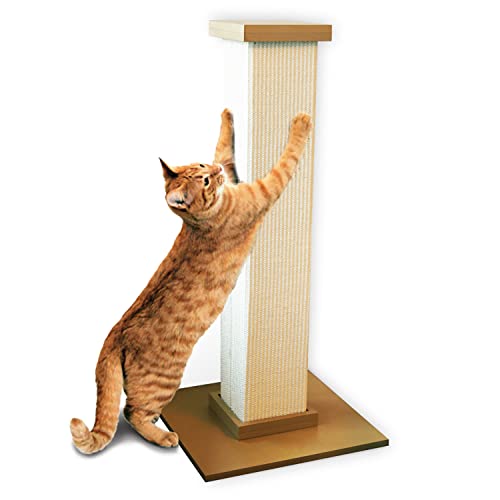
Another practical solution is to strategically place scratching posts or pads nearby. By providing alternative targets for your furry companion, they may be less inclined to use your treasured items as their personal playground. Experiment with different textures to find what appeals most to your pet.


For ongoing maintenance, a routine cleaning regimen using a soft cloth can help remove debris and prevent abrasions. Avoid harsh chemical cleaners, opting instead for gentle solutions that are safe for the finish. This simple practice can prolong the life of your cherished pieces.
Protecting Surfaces from Feline Damage
Applying a high-quality poly coating can create a resilient barrier on your surfaces, minimizing the risk of injury from claws. This process enhances durability and simplifies cleanup, extending the longevity of your pieces.
Utilizing scratch-resistant pads or slipcovers not only safeguards against harm but also serves as a visual enhancement. These materials absorb impact while allowing for easy maintenance and style adaptation.
Behavioral Remedies
Introducing alternatives, such as designated scratching posts or pads, provides a constructive outlet for your feline’s instincts. Training sessions utilizing positive reinforcement techniques can redirect their attention towards these approved options, reducing the likelihood of unwanted behaviors on your beloved pieces.
Regular Care and Maintenance
Routine polishing with specialized products helps to rejuvenate and strengthen the surface layers. This practice not only protects against daily wear but also alters the texture, making it less appealing to curious claws.
Understanding the Behavior of Cats and Scratching
I often observe my feline companion engaging in scratching as a natural behavior to maintain healthy claws. Regular claw maintenance allows kitties to remove the outer sheath of their nails, promoting new growth and reducing the risk of overgrowth or splitting.
Additionally, marking territory is crucial to their instincts. Cats possess scent glands in their paws, and scratching serves as a way to leave a personal mark in their environment, providing them with a sense of security.
The action of scratching also plays a role in physical exercise. It allows cats to stretch their bodies and keep their muscles toned, which is vital for their overall health. In this context, I make sure to provide a variety of scratching surfaces, including vertical and horizontal options, to satisfy their natural urges.
Understanding my cat’s preferences is key. Some felines gravitate toward certain textures or angles, so experimenting with different materials can help in redirecting their scratching behavior to appropriate items.
I also notice that boredom can lead to excessive scratching on undesirable surfaces. Ensuring my cat has plenty of engaging toys and stimulating environments can help reduce the likelihood of unwanted behavior.
Recognizing the underlying motivations for scratching enhances my ability to manage and redirect this instinct, safeguarding my belongings while maintaining my pet’s well-being.
Choosing the Right Materials for Furniture
Opt for resistant surfaces, such as laminate or engineered wood. These options provide a robust shield against wear, making them less prone to damage.
When selecting upholstery, consider fabrics like microfibre or synthetic blends. These materials are less likely to catch claws and are easier to clean in case of mishaps.
Natural Alternatives
For a more organic approach, look into hardwood species like oak or hickory, known for their durability. The natural oils present in these woods can create a barrier that minimizes visible marks.
Finishes Matter
Choose finishes that enhance durability, such as varnishes or polyurethanes. These offer an extra layer of protection and help resist scratches while maintaining the aesthetic appeal of your pieces.
Incorporate materials that provide texture and interest. Sisal, for instance, is a great option for rugs and throws, as it not only resists abrasion but also deters unwanted behaviors.
Always remember to assess how different materials interact within your environment, as this can significantly influence longevity and maintenance.
Applying Protective Coatings and Finishes
Consider sealing surfaces with high-quality polyurethane or varnish. These coatings create a robust barrier, minimizing damage from claw marks. Choose a water-based product for a clear finish that dries quickly and has low odor.
Step-by-Step Application
- Prepare the surface: Sand gently to ensure adhesion and remove dust.
- Clean thoroughly, wiping away residues for optimal coating application.
- Apply the first coat using a brush or roller, following grain direction for even coverage.
- Allow adequate drying time as per manufacturer instructions.
- Lightly sand between coats to promote better bonding.
- Apply at least two to three coats for enhanced durability.
Choosing the Right Finish
- Matte Finish: Offers a natural look while providing decent protection against wear.
- Satin Finish: Balances a slight sheen with resistance to scratches and stains.
- Gloss Finish: Provides the highest level of protection, reflecting more light but may require more maintenance.
Regularly inspect and re-apply coatings as necessary to maintain the protective layer. This maintenance helps keep surfaces looking pristine and extends longevity.
Creating Cat-Friendly Spaces in Your Home
Designate specific areas where your feline can play and relax. Incorporate scratching posts that are stable and tall enough for them to stretch fully. Consider trees that combine perches and platforms for climbing and lounging.
Interactive Play Zones
Set up a dedicated play area with toys that encourage activity. Rotate toys regularly to maintain interest. Utilizing laser pointers and feather wands can foster engagement and provide physical exercise, keeping them entertained and away from your cherished possessions.
Comfortable Retreats
Create cozy, quiet spots using cat beds or blankets placed in elevated sections of your home. Cats often seek height for security; thus, installing shelves allows them to observe their territory comfortably. These spaces serve as perfect retreats, reducing the urge to scratch unwanted items.
Using Furniture Covers and Protectors
Opt for tailored slipcovers. These provide a snug fit around pieces, offering a barrier against unintentional damage while maintaining style. Choose durable, scratch-resistant fabrics such as denim or canvas, which can withstand daily use and any playful antics.
Adhesive Protectors
Consider clear adhesive sheets specifically designed for high-wear areas. Applying these to surfaces can effectively diminish the impact of sharp claws. They are transparent, ensuring the aesthetics remain unchanged, while providing an additional layer of safeguard.
Removable Pads and Throws
Utilize plush throws or soft pads. By strategically placing them on surfaces, I can create a protective layer that is easy to remove and clean. Opt for textured fabrics that discourage scratching, while still providing comfort and warmth for your pets.
Regularly check and replace any worn-out covers or protectors to ensure maximum efficiency in keeping surfaces intact. Investing in these protective solutions will help extend the life of your cherished pieces without sacrificing home aesthetics.
Training Your Cat to Use Scratching Posts
Introduce your feline companion to designated scratching surfaces immediately. Place these posts in areas where they naturally tend to scratch or spend time. Ensure the posts are sturdy and tall enough to accommodate stretching.
Observe your pet’s behavior closely. If they approach furniture, redirect them gently to the scratching post. Reward them with treats or praise when they use the correct surface. Consistency is key; every time they scratch the post, reinforce the behavior positively.
- Choose posts with different textures to keep your pet engaged.
- Utilize catnip as a lure; sprinkle it on the scratching area to entice them.
- Play nearby to encourage interaction with the post.
Place multiple scratching options around your home. If one post isn’t utilized, another may be more appealing. Experiment with various types, such as horizontal, vertical, or angled designs, to determine which your pet prefers.
Regularly trim your cat’s claws to minimize damage potential on other surfaces. This not only helps maintain their claws but also encourages the use of appropriate surfaces for scratching behavior.
Patience is crucial; changing behavior takes time. Monitor progress and adjust strategies if certain methods aren’t effective. Over time, your pet will learn to favor the intended scratching options over household items.
Regular Maintenance and Repair Techniques
I recommend performing regular assessments of your pieces to identify any signs of wear. Look for areas that may require attention, such as minor blemishes or discolorations, and address them promptly to prevent larger issues.
Cleaning and Polishing
Utilize a soft, damp cloth for routine dusting. For a polished appearance, apply a furniture polish specifically designed for your material. This creates a barrier against stains and adds a layer of protection. Ensure to follow the manufacturer’s instructions for best results.
Repairing Minor Damage
For superficial dings, a wood filler that matches the finish can be used to fill in imperfections. After applying, sand lightly and touch up with matching stain. For deeper scratches or gouges, consider using a wood repair marker to blend the area with the surrounding surface.
| Issue | Solution | Tools Needed |
|---|---|---|
| Small scratches | Apply wood repair marker | Marker, cloth |
| Dings and dents | Use wood filler and stain | Filler, sandpaper, stain |
| Discoloration | Polish with appropriate cleaner | Soft cloth, polish |
Establishing a routine maintenance schedule will keep your pieces in optimal condition. Additionally, being proactive about repairs will save time and effort in the long run, ensuring that your cherished items maintain their appeal and functionality.


