Caleb Turner
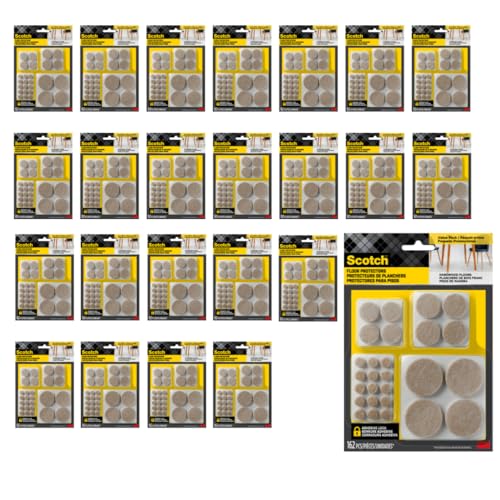
Consider using felt pads under each piece to minimize scratches and dents. These inexpensive protectors act as a buffer between heavy items and delicate surfaces, ensuring longevity and maintaining aesthetics. Regularly check and replace worn pads to maintain optimal protection.
Another solution involves utilizing area rugs strategically. Placing rugs in high-traffic areas not only enhances decor but also safeguards the underlying surface. Choose materials that complement the overall style while providing a soft landing for any accidental falls or heavy impacts.
Additionally, implementing a cautionary approach during movement can significantly reduce potential harm. Lifting furniture when relocating, rather than dragging, prevents unintentional surface damage. Consider using sliders for heavy pieces to make the process smoother and safer.
Regular maintenance is key. Keep the surface clean from dirt and debris, as particles can cause scratches over time. Incorporating a gentle cleaning routine with products tailored to the surface type helps maintain its luster while providing a barrier against wear and tear.

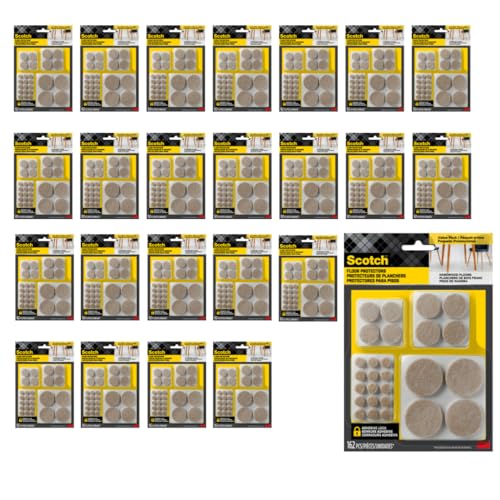


Strategies for Safeguarding Surfaces Against Furniture Support
I recommend using felt pads on the underside of each piece. These inexpensive adhesive circles create a barrier between the legs and the surface, reducing the risk of scratches and indentations.
Consider investing in a protective rug or mat under heavier items. This added layer not only absorbs impact but also distributes weight more evenly, minimizing pressure points.
Regularly check and tighten any screws or bolts on furniture to prevent wobbling. Loose fittings can exacerbate wear on surfaces over time.
Utilizing coasters or trays beneath items that are frequently moved can mitigate damage caused by shifting and dragging. This simple measure helps maintain the integrity of the underlying material.
Strategically plan your layout. Position larger or heavier pieces in high-traffic areas or places where they are less likely to be moved, thus reducing the potential for wear.
Lastly, I suggest escorting any items across the surface rather than dragging. Lifting instead of sliding prevents unnecessary friction and degradation.
Understanding the Impact of Furniture on Wood Floors
Assessing the pressure exerted by various pieces on treated surfaces is essential. Heavy items can cause significant impressions over time. To mitigate potential damage, consider the following:
- Utilize felt pads beneath bases to distribute weight uniformly.
- Regularly rearrange items to avoid permanent indentations in specific areas.
- Select lightweight alternatives for portable arrangements, reducing strain on the surface.
- Monitor the condition of your furnishings; worn-out components can exacerbate wear on the flooring.
Pay attention to the type of material used in the construction of your items, as rubber or plastic can lead to scuff marks. Opting for protective barriers or mats in high-traffic zones also aids in preserving aesthetics and longevity.
Incorporating area rugs not only enhances decor but shields exposed areas. Ensure that rugs have non-slip backing to maintain safety and prevent movement.
Anticipating shifting of items during regular use can lead to proactive measures, helping maintain a pristine appearance while extending the life of your surfaces. Regular cleaning to eliminate debris or dirt is recommended to prevent scratches.
Choosing the Right Floor Protectors for Furniture Legs
I recommend selecting furniture leg protectors made of felt or silicone. Felt pads provide a soft barrier that minimizes scratches and facilitates smooth movement across surfaces. Silicone options are durable and often adhesive, ensuring they stay in place while offering good grip.
Consider the size and weight of your furniture. For heavier items, thicker felt pads or rubber protectors are more effective in distributing weight. Additionally, if mobility is frequent, look for protectors designed for easy gliding; these will reduce resistance and potential damage.
Adhesive vs Non-Adhesive Options
Adhesive protectors are convenient as they stick directly to the leg. Ensure the adhesive is strong enough to withstand movement. Non-adhesive options, like slip-on caps, can be more versatile for occasional changes in furniture placement.
Shape and Design
Match the shape of the protector to the leg design. Round pads work well for cylindrical legs, while square or rectangular ones are ideal for flat surfaces. A snug fit is crucial to prevent slipping and maintain the integrity of the surface beneath.
Evaluate specific needs related to your decor and lifestyle. For instance, if pets or children are present, opt for scuff-resistant materials. Regularly inspect and replace worn protectors to ensure ongoing performance. Prioritize quality materials that provide long-lasting protection.
Using Felt Pads to Prevent Scratches
I recommend applying felt pads directly to the base of each item to shield surfaces against damage. Begin by measuring the legs of your furniture to ensure the pads fit appropriately. Choose pads that are thick enough to absorb pressure while maintaining stability.
When selecting felt pads, opt for high-density options. These provide better support and longevity, reducing the risk of wear over time. Adhesive-backed pads simplify the installation process, but I prefer those that can be affixed securely with screws for enhanced durability.
Regularly inspect the condition of the pads. Worn or damaged pads should be replaced promptly; otherwise, they may fail to offer adequate protection. I also advise cleaning the underside of the pads and the surfaces they touch to ensure good adhesion and prevent dirt buildup.
If moving heavy items, lift rather than drag them. This practice minimizes pressure on the pads and prevents them from coming loose. You might consider using slider pads for particularly heavy pieces, as they facilitate easier movement without risking scratches.
Finally, keep an assortment of different pad sizes on hand. Having multiple sizes allows for versatile application on various pieces, ensuring every piece has the right protection for optimal maintenance.
Exploring Rubber and Silicone Furniture Feet Options
For ensuring durability, I recommend rubber and silicone pads. Rubber offers an excellent grip and absorbs shocks effectively, minimizing movement on varied surfaces. This quality can help in areas with heavy traffic.
Silicone pads, on the other hand, excel in providing a soft barrier that reduces friction. They are less likely to leave marks, making them a favorite for delicate surfaces. Both materials are available in various shapes and sizes, so measuring the dimensions of the furniture legs is vital for achieving the best fit.
When selecting these pads, consider the thickness. Thicker options can provide greater cushioning, while thinner ones can be ideal for a sleek look. It’s advisable to choose adhesive-backed varieties for ease of installation.
Some products even come with self-adhesive features, allowing for quick application without additional tools. Regularly checking the condition of these pads is necessary; replacing worn-out ones can maintain their protective capabilities and aesthetics.
Maintaining Furniture Stability Without Damaging Floors
Adjusting leg lengths is a straightforward way to keep stability while preserving the surface. Use adjustable glides that allow for height customization, ensuring each piece remains level. This method prevents uneven pressure on surfaces and potential scratches.
Utilizing a furniture coasters set offers another effective strategy. These products distribute weight evenly across a broader area, significantly reducing the risk of marks. Choose materials that complement the existing décor while providing ample cushioning.
Regularly check leg attachments for wear or looseness. Tightening screws or replacing worn-out attachments guarantees that furniture stays sturdy, minimizing the chances of unexpected movements that could lead to damage.
Incorporate area rugs under heavier pieces. This not only adds an aesthetic element but also creates a protective barrier, absorbing shock and preventing direct contact between leg surfaces and the flooring.
Finally, ensure that moving furniture requires extra care. Using sliders can help avoid scraping when rearranging pieces, helping to maintain the condition of the surface while promoting stability.
Implementing Area Rugs as a Protective Barrier
Utilizing area rugs strategically can significantly mitigate damage caused by heavy items. I recommend placing rugs under key pieces to absorb impact and prevent unwanted marks. Selecting the right size is crucial; they should extend beyond the edges of the item to maximize coverage.
Consider materials that provide a soft yet resilient surface. Natural fibers like wool or synthetic options like nylon work well, combining aesthetics with function. Additionally, opting for non-slip backing will help keep the rug in place, reducing the risk of slipping and sliding, which can lead to unexpected scratches.
Here’s a quick comparison of rug materials:
| Material | Durability | Maintenance |
|---|---|---|
| Wool | High | Requires regular vacuuming; periodic deep cleaning |
| Synthetic (Nylon, Polyester) | Moderate | Easy to clean; stain resistant |
| Natural Fiber (Sisal, Jute) | Moderate | Vacuum regularly; low moisture cleaning |
Regularly adjusting the rugs can also help prevent wear patterns and ensure that all areas receive protection. This can be especially useful in high-traffic zones where movement is more frequent.
Finally, I find it beneficial to incorporate decorative elements into the area rug, enhancing the visual appeal while fulfilling a practical function. The right choice not only safeguards surfaces but also enriches the interior design.
Adjusting Heavy Item Leg Designs for Better Floor Care
To minimize damage, consider adding wider leg bases or using adjustable glides that distribute weight more evenly. This modification significantly reduces pressure points that can indent surfaces over time.
Reinforcing Stability with Design Modifications
If the design allows, tapering the bottom of the legs can also lessen the impact on delicate surfaces. A wider, flatter area at the leg’s base decreases the risk of scratches and dents by spreading the weight across a larger section.
Material Choices for Enhanced Protection
<pOpt for legs made from softer materials like hardwood or composite that carry inherent shock-absorbing qualities. When replacing or adjusting the design, incorporate soft cushions or silicone pads that mold to the ground's contours, preventing slipping and safeguarding against marks.
Regular Maintenance Tips for Wood Floors Under Furniture
I recommend conducting regular inspections to identify any wear on surfaces near heavy items. This helps catch scratches or dents before they worsen. Every few months, gently lift your heavy pieces rather than dragging them to prevent inadvertent damage.
Cleaning Practices
Utilize a microfiber cloth or a soft broom for daily dusting, as this minimizes grit that can scratch. Opt for a damp mop with a wood-safe cleaner to maintain shine without risking moisture damage. Avoid excessive water exposure, which can warp material over time.
Furniture Arrangement Strategy
Rearranging items periodically distributes weight evenly, reducing permanent indentations. Take care to place the heaviest pieces on protective mats or adjust their layout to balance the load. This can effectively prevent uneven surface wear.
When to Consider Professional Help for Floor Protection
I find that certain situations warrant seeking expertise to ensure the longevity of the surface beneath your furnishings. Here are specific instances to consider professional intervention:
- Severe scratches or dings that compromise the finish.
- Unlevel surfaces that lead to instability in heavy items.
- Persistent stains that can’t be removed with regular cleaning methods.
- If large-scale adjustments to the space are planned, like moving major pieces or renovating.
- When unsure about the right type of guard for unique or valuable pieces.
- Dealing with antique or delicate items that require specialized care.
- If a protective strategy requires substantial alterations or placements that may affect overall aesthetic.
Identifying Signs of Damage
Watch for signs that may suggest the need for professional assessment:
- Visible indentations or damage from previous placements.
- Changes in color or texture of the coating.
- Increased difficulty in moving or shifting items without causing distress to the surface.
Taking note of these issues can guide the decision to seek skilled assistance, ultimately preserving the integrity of the area beneath your furnishings.
FAQ:
What types of protection can I use under furniture legs to prevent damage to my wood floors?
There are several options to protect wood floors from furniture legs. Felt pads or glides are a popular choice as they provide a soft barrier between the furniture and the floor, reducing scratches. Rubber or silicone caps can also be effective since they grip the floor without sliding around. Additionally, furniture coasters can distribute the weight of heavy items more evenly. It’s essential to regularly check and replace any worn-out pads or protective coverings to maintain their effectiveness.
How can I prevent scratches on my hardwood floor caused by moving furniture?
To shield your hardwood floors from scratches during furniture movement, consider using furniture sliders. These are typically made of plastic or felt and can be placed under the legs of heavy furniture to allow for easier gliding across the floor. Another method is to lift the furniture rather than dragging it. For larger pieces, enlisting the help of others can make this process safer for both the furniture and the flooring. Additionally, laying down a drop cloth or old blanket can protect the surface while moving items.
Are there specific furniture leg materials that are more harmful to wood floors?
Yes, the material of furniture legs can significantly affect how much damage they may cause to wood floors. Metal legs, especially those with sharp edges, can easily scratch or dent the surface. On the other hand, wooden legs might also cause marks if they lack protective padding. Legs made of plastic can be less harmful, but they can still create pressure points if the furniture is particularly heavy. To minimize potential damage, it’s always advisable to add protective padding regardless of the leg material.
How often should I check and replace furniture protection for wood floors?
It’s a good practice to check the protective pads or coverings under furniture legs at least every few months. Inspect them for wear, and replace them if they appear damaged or dirty, as worn-out pads can lose their protective qualities. Regular maintenance helps prevent any scratches or dents from developing over time. Additionally, if you frequently rearrange your furniture, you should check the pads whenever you move a piece to ensure the floor is adequately protected.
Can I use DIY solutions to protect my wood floors from furniture legs?
Yes, there are several DIY solutions to protect wood floors from furniture legs. One common approach is to use cut-up rubber mats or old mouse pads as makeshift protectors. You can also create felt pads by cutting felt fabric into small circles and gluing them to the bottoms of furniture legs. Another idea is to apply a coat of furniture wax or polish to the flooring to create a protective barrier. However, ensure that any materials used do not leave residue or cause discoloration, and regularly check their effectiveness.
What are some effective ways to protect wood floors from damage caused by furniture legs?
There are several methods to safeguard wood floors from furniture legs. First, consider using felt pads or furniture coasters. These pads can be attached to the bottom of furniture legs, providing a cushion that minimizes scratches and dents. Another option is to use wider leg caps that distribute weight more evenly across the floor surface. Additionally, area rugs can be placed under heavy furniture to protect the floor underneath. For movable furniture, such as chairs, glides can be installed that allow ease of movement without scratching the wood. Regularly checking and replacing any worn-out protective covers also helps maintain the integrity of your wood floors.
Is it necessary to use a specific type of cleaner on wood floors to prevent damage from furniture?
While it’s not directly related to protecting against furniture leg damage, using an appropriate cleaner for your wood floors is important to maintain their surface. Many conventional cleaners can cause build-up or damage the finish on wood floors. Opt for cleaners specifically designed for hardwood, which do not leave residues that can attract dirt and cause scratches. Regular cleaning helps maintain the floor’s finish, making it more resilient against any potential scratches from furniture. Additionally, always ensure to clean up spills immediately and avoid using harsh chemicals or excessive water, as these can also lead to long-term damage.