Caleb Turner

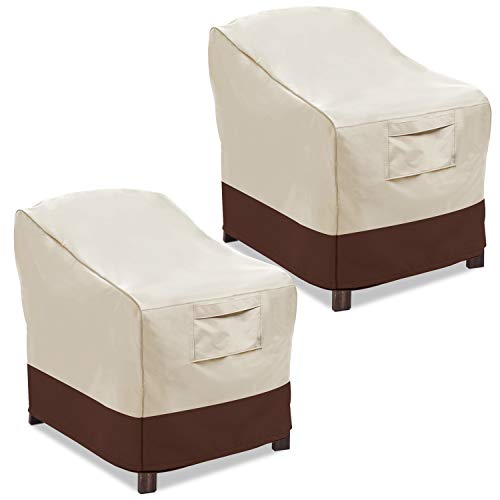
Cover your natural creations with durable, weather-resistant tarps when temperatures drop. This simple action minimizes exposure to moisture and harsh elements, preventing deterioration. Be sure to secure the covers tightly; loose fittings can lead to wind damage and debris accumulation.
For wicker pieces that you want to keep bright and airy, store them indoors if possible. Dry, heated spaces provide protection from freezing temperatures and humidity. If indoor storage isn’t an option, placing a wooden pallet beneath your prized items can help elevate them off cold surfaces, further safeguarding their integrity.
Applying a specialized sealant designed for outdoor materials can also extend the lifespan of your woven treasures. Choose a product that is non-toxic and climate-appropriate. Consider routine inspection for signs of wear or damage; early intervention saves you time and money in the long run.
Lastly, don’t forget to give your rattan items a thorough cleaning before the cold spells arrive. Removing dirt and grime prevents mold and mildew, which thrive in damp conditions. Regular maintenance ensures that your cherished pieces remain beautiful and functional for years ahead.


How to Safeguard Your Natural Fiber Seating During Cold Months
Cover your natural fiber seating with breathable tarps to guard against moisture. This minimizes the risk of mold and mildew forming due to condensation. Secure the covers tightly to prevent wind from displacing them.
Store cushions in a designated dry area. Keeping them inside protects from frost and moisture damage. Use airtight containers or vacuum-sealed bags for optimal preservation.
Consider storing these pieces inside if space allows. A garage, shed, or basement is preferable to prevent exposure to harsh elements. If indoors storage isn’t feasible, elevate them off the ground outdoors to avert contact with cold surfaces.
Apply a specialized sealant or finish designed for natural materials. This creates a barrier, offering enhanced resistance to the elements. Regular maintenance of finishes will prolong their life.
Check periodically for signs of wear or damage, addressing any issues immediately to prevent degradation. This proactive approach maintains the integrity of your items over time.
Selecting the Right Location for Storage
Choose a dry, climate-controlled area for storage. A basement or a temperature-regulated garage can be ideal, avoiding places that experience extreme cold or humidity. Keeping items elevated off the ground can help prevent moisture exposure.
Avoid attics where temperature fluctuations are common, leading to potential damage. A shaded spot can prevent sunlight from causing fading if any items are left outdoors temporarily.
Ensure good ventilation to reduce moisture buildup. This can be achieved by storing in an area with airflow, or even using a dehumidifier if necessary. Avoid areas near plumbing or sources of water, as leaks can arise unexpectedly.
Avoid crowded storage spaces; keeping a few feet of space around each item helps to manage airflow and minimizes risk. Confirm that the storage area is free from pests, as insects can cause significant damage over time.
Cleaning and Preparing Rattan Items Before Winter
Thoroughly clean your rattan pieces with a mixture of mild soap and warm water. Use a soft cloth or sponge to gently scrub the surfaces and check for dirt accumulation in the crevices. Rinse with clean water and dry completely to prevent any moisture from causing damage.
Inspecting for Damage
After cleaning, examine each item for signs of wear or damage. Look for loose strands, broken pieces, or signs of mold. Any damaged areas can be repaired using appropriate adhesives or by weaving in new strands for a seamless fix.
Applying Protection
Once cleaned and inspected, consider applying a specialized sealer or protective coating to guard against the elements. Select a product designed for natural fibers, following the manufacturer’s instructions for best results. This coating will help extend the lifespan of your treasures, making them ready for storage.
Using Covers to Shield Wicker from Moisture
Investing in high-quality covers is a straightforward way to defend your rattan items against moisture damage. I recommend selecting waterproof materials, as they prevent rain and snow from penetrating while still allowing airflow to reduce mildew risk. Look for breathable covers designed specifically for outdoor use; they keep condensation at bay.
Consider elastic or adjustable straps that secure the coverings tightly during strong winds, preventing them from blowing away. Choosing the right size is crucial; ensure they fit snugly but not too tightly, allowing for easy removal and storage.
Before draping the covers, always ensure that the surface is clean and dry. This small step minimizes the chance of mold and mildew growth underneath. Regularly check the covers for wear and tear or signs of damage. Replacing them when necessary will continue to safeguard your items effectively.
Implementing Proper Indoor Storage Techniques
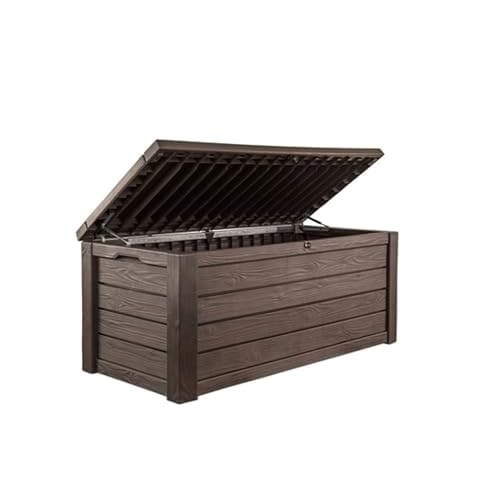
Choosing an airtight container is crucial for preventing moisture accumulation. Plastic bins with secure lids work well to keep out humidity and pests. I prefer bins with transparent sides for easy visibility of contents, making it convenient for organizing. Ensure the containers are clean and dry before placing items inside.
Utilizing Space Efficiently
When stowing away items, stacking them vertically maximizes space usage. Consider using shelves or racks for better organization. Place heavier pieces at the bottom and lighter ones on top to maintain stability and accessibility. This method helps in maintaining airflow around each piece, reducing the risk of mold.
Monitoring Environmental Conditions
Regularly check the storage area for any signs of dampness or pest activity. Using a dehumidifier can help manage humidity levels effectively. I also set up a hygrometer to monitor moisture in the air, ensuring it stays within a safe range. Proper ventilation is key; I keep windows slightly open or install air vents when feasible.
Avoiding Direct Heat Sources for Wicker Care
Placing items near radiators, fireplaces, or other heating elements can cause serious damage. Heat can warp, crack, or dry out natural fibers, leading to irreversible harm. Maintaining distance from these elements is crucial.
Recommended Distances
- Keep at least three feet away from direct heat sources.
- Avoid placing items in areas directly exposed to sunlight through windows.
- Consider utilizing thermal curtains to minimize heat exposure.
Signs of Heat Damage
Be vigilant for signs such as:
- Cracking or discoloration of the material.
- Loss of structural integrity or softness in the fibers.
- Visible warping in the design.
It’s crucial to monitor the environment for temperature fluctuations. Adopting these practices will help maintain the quality and longevity of natural items. Regular checks and adjustments can prevent costly repairs or replacement.
Regular Inspection of Wicker Furniture During Winter
Conduct inspections every month for signs of damage, mold, or wear. Pay close attention to joints and weave, as these areas can weaken over time. Test the structure by gently applying pressure to ensure stability.
Identifying Issues Early
Look for fraying strands or splitting materials that could lead to further deterioration. If any signs of moisture are detected, act quickly by drying the area thoroughly to prevent mold growth.
Maintenance Actions
Use a soft brush to remove dust and debris during each inspection. Spot clean any stains immediately with a mild soap solution, ensuring to rinse well. If repairs are needed, consider reinforcing weak spots with specialized adhesives designed for natural materials, ensuring the integrity of the item is maintained.
Applying Protective Coatings for Extra Defense
I recommend using a clear outdoor varnish or marine-grade finish to enhance durability. Select a product specifically designed for natural fibers. Before application, ensure that surfaces are clean and dry. A light sanding can help improve adherence, especially for previously treated items.
Application Process
Follow these steps for optimal results:
- Clean the item thoroughly with a damp cloth and mild detergent.
- Allow it to dry completely.
- Lightly sand the surface to remove any rough patches.
- Apply the coating using a brush or spray, ensuring an even layer.
- Allow the first coat to dry before applying a second layer for added protection.
- For maximum effectiveness, consider three coats, especially for areas exposed to moisture.
Recommended Coating Products
| Product Name | Type | Application Method |
|---|---|---|
| Rust-Oleum Varathane | Polyurethane | Brush or Spray |
| Minwax Helmsman | Semi-gloss Varnish | Brush |
| Star Brite Epoxy | Marine Sealer | Brush |
Regularly check the coating during off-seasons and reapply as necessary to maintain an effective barrier against the elements. A well-maintained finish can greatly extend the lifespan of your natural pieces.
Understanding Weather Impacts on Wicker Longevity
Moisture and temperature fluctuations can significantly affect the lifespan of natural fiber items. It’s crucial to recognize how these environmental factors contribute to wear and tear.
Moisture Effects
High humidity can lead to mold growth while excessive dryness may cause fibers to crack. Here are steps I take to mitigate these impacts:
- Use dehumidifiers in storage areas to control moisture levels.
- Ensure proper ventilation to reduce humidity buildup.
- Consider silica gel packets in storage spaces to absorb excess moisture.
Temperature Considerations
Temperature extremes can cause fibers to lose their elasticity. I find it helpful to:
- Avoid placing items near heat sources such as radiators and fireplaces.
- Store in a climate-controlled space if possible.
- Monitor temperatures to prevent freezing which can cause brittleness.
By understanding these weather-related challenges, I can take proactive measures to enhance the durability of my natural fiber pieces throughout the changing seasons.